Restaurant owners in the UK are seeing a surge in AI bot calls, pushing them back to phone bookings. Meta launched its Muse AI assistant this week, allowing users to let bots book restaurant tables and shop on their behalf. Source: theguardian.com.
AI Bots Overwhelm UK Restaurants
Muse gains access to a user’s email with permission. It can then book tables and browse apps on their behalf. But in practice, bots refresh reservation pages thousands of times, snatching tables before staff can respond.
Resy, a major booking platform, banned multiple bot accounts at high-demand spots like 4 Charles Prime Rib in New York. The same issue now affects UK restaurants with limited seating. Empty tables are rising—especially in December, when demand is highest.
Owners Respond with Resistance
At Bouchon Racine, a UK restaurant of the year, co-owner Dave Strauss answered a phone call from an AI bot that sounded like a human. When he asked if it was a bot, the voice said: ‘Yes, this is an AI booking process.’
He told the bot to stop calling. It didn’t argue or explain—just confirmed. The exchange left him frustrated. He now resists digital booking tools that don’t involve real human interaction.
Kimberley Coke, a high-end concierge for celebrities, calls the bot surge ‘terrifying.’ She says apps don’t reveal who’s coming. There’s no background on clients. People might not show up. Empty tables in December are the worst for restaurants.
Chaos in High-End Dining
4 Charles Prime Rib in New York has faced bot abuse before. Resy banned multiple accounts for automated booking. The same pattern now appears in the UK. High-end venues are being swarmed by bots with no human checks.
Owners Are Going Analogue
Jeremy King, owner of Simpson’s in the Strand, Arlington and the Park, says he’s moving away from digital tools. ‘I’m happy with new tech,’ he says. ‘But if it harms us, we go back to phone calls.’
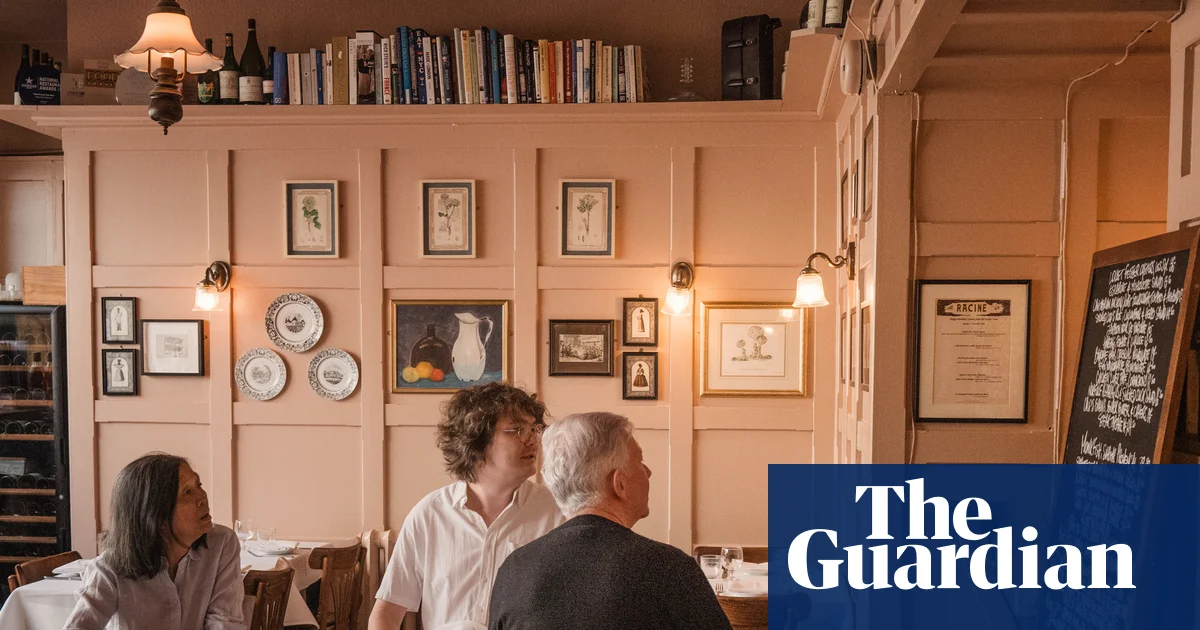
He sees phone calls as more reliable. They let staff assess clients. Diners now often choose WhatsApp or phone calls to book, building personal connections instead of relying on apps.
Meta’s Role and Legal Oversight
Meta hasn’t issued a public statement. But it agreed to a voluntary monitoring scheme with the Information Commissioner’s Office (ICO). The ICO says Meta will follow UK data laws on how bots access user data.
The Competition and Markets Authority (CMA) says talks led to fairer terms and conditions. These now include clearer details about how bots operate and what data is used. The goal is better transparency and less misuse.
Muse has partnerships with major UK brands—Marks & Spencer, Currys, Sainsbury’s, and easyJet. If a site lacks a connector, Muse accesses the site directly. This means bots can now interact with many services, raising risks in consumer-facing industries.
Why This Matters for the Hospitality Industry
AI tools were meant to save time. But they’re causing chaos. Owners lose trust when bots book without human checks. They can’t assess client needs, dietary requests, or social context—key parts of premium dining.
For high-end dining, where tables are scarce and personal touch matters, AI bots threaten the human core of hospitality. The industry is now balancing innovation with real-world reliability.
What to Watch Next
Regulators may require AI tools to include transparency or booking limits. The ICO and CMA could soon issue rules for public-facing services. As AI grows, the balance between automation and human oversight will remain critical in service industries.
For now, owners are adapting. They’re returning to phones, building personal relationships, and resisting digital automation. Their actions show a deeper concern: when tech operates without accountability, it may do more harm than good in service environments.
Sources & further reading
Featured image: original publisher image. Via original publisher. Image source