Red-winged blackbirds in western Oregon can tell harmless snakes from venomous ones—without ever seeing a rattlesnake.
What the Study Found
Researchers at Oregon State University tested how blackbirds react to nest threats using lifelike models.
The models included nonvenomous gopher snakes and venomous rattlesnakes, placed a few meters from active nests.
Blackbirds attacked gopher snake models over 80 times. They made only one physical contact with a rattlesnake model.
Key Observations
- Most attacks on snakes happened after eggs hatched.
- Blackbirds approached rattlesnake models closely but rarely struck them.
- No attacks occurred during incubation.
- The birds didn’t show general fear of snakes, even though rattlesnakes are more dangerous to adults.
The study, published in Behavioral Ecology, is the first to examine how breeding birds respond to both harmless and venomous snakes within parental investment theory.
Why the Birds Act This Way
Blackbirds are aggressive nest defenders. But their behavior changes based on threat level.
They attack squirrels and crows—predators that mainly threaten chicks—rather than avoid predators that could harm them.
Snakes can injure adult birds during close defense. Still, the birds don’t avoid snakes overall.
Shelby Lawson, a postdoctoral researcher at Oregon State University, said the birds may recognize rattlesnake danger—though the exact cues are unknown.
“We don’t know whether that’s because they recognized the danger or if there’s something about the viperid features or the rattle that gave the birds pause,” she said.
Parental Investment Theory Explained
This theory shows how animals balance protecting their young with protecting themselves.
Blackbirds adjust their actions based on how much a predator threatens their chicks and how risky it is to confront it.
They may attack a jay or squirrel near a nest. But they may just call out or stay back when facing a hawk that could attack them.
Snakes are not seen as major threats to adult survival. Yet the birds still attack gopher snakes regularly.
What’s Still Unknown
The study didn’t test whether birds learn to identify snakes over time.
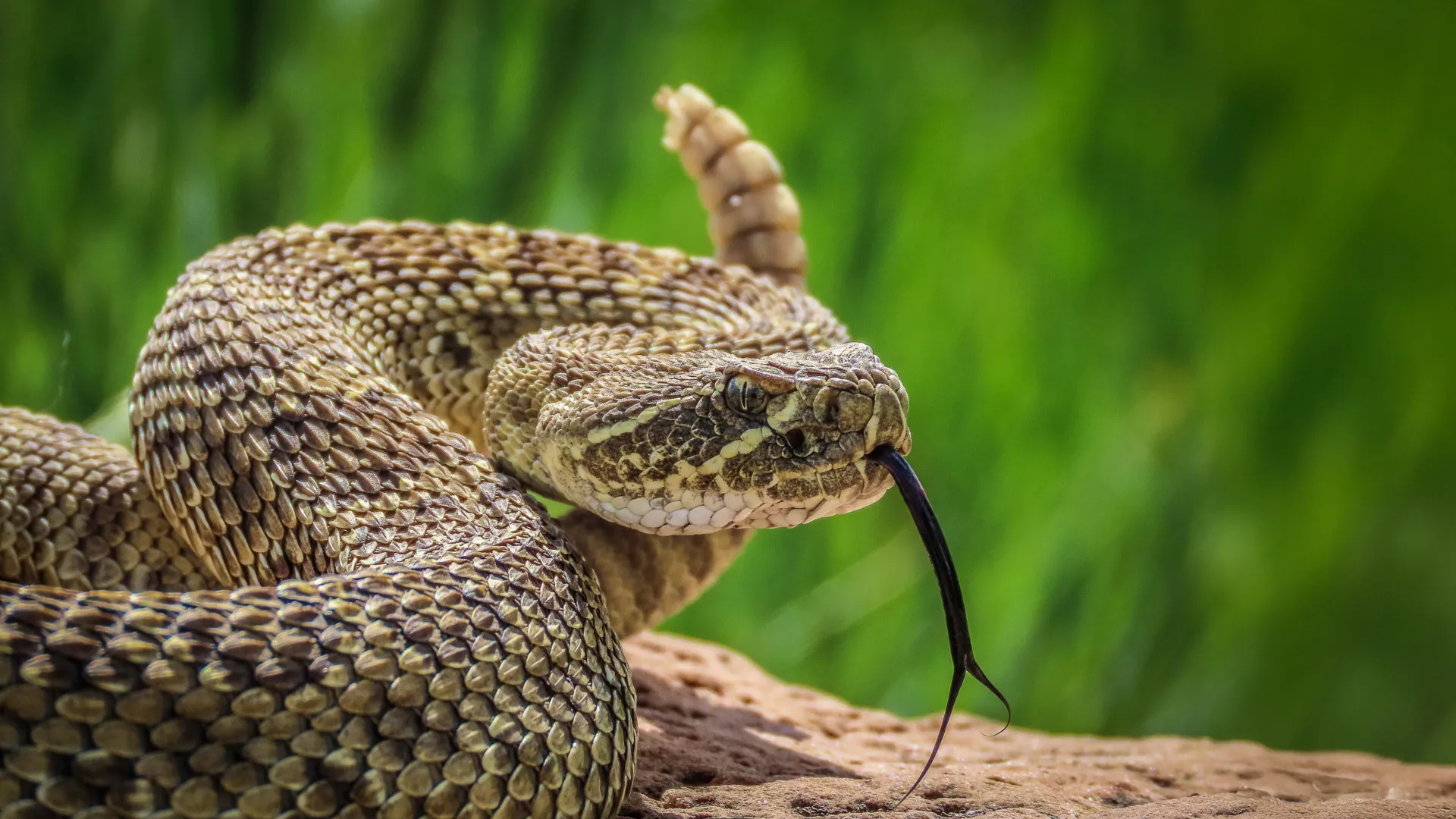
Rattlesnakes were once common in western Oregon but were mostly removed west of the Cascades by the 1800s.
So today’s blackbirds likely never saw a rattlesnake in the wild.
This suggests their behavior may come from instinct, not memory.
Scientists don’t yet know what visual or sound cues—like body shape or the rattle—trigger the birds’ hesitation.
The models used were static. Real, moving snakes would be needed to test actual reactions.
Why This Discovery Matters
Snakes are a major threat to bird eggs and nestlings—but have been overlooked in animal defense studies.
These findings suggest birds may use instinctive cues to judge danger—even without experience.
It shows animals may recognize threats without learning them through exposure.
Shelby Lawson stressed the need to include snakes in future research.
“This is the first paper to test responses of breeding birds to both nonvenomous and venomous snakes within a parental investment theory framework,” she said. “We still don’t fully know how birds recognize or make decisions regarding snakes despite them being a major threat to their nests, and this study is a good step toward understanding that.”
Next Steps in Research
Scientists should explore:
- If other bird species show similar behaviors.
- Which physical or vocal cues trigger hesitation—like body shape or the rattle sound.
- How climate or habitat changes affect snake predation and bird defense.
The experiments took place at dozens of nests across western Oregon—half with eggs, half with chicks.
Other researchers involved include Angela Zbaracki, Russell Campbell, and Eleanor Fraser from Oregon State University.
The study was supported by the OSU College of Science and published in Behavioral Ecology with DOI: 10.1093/beheco/arag089.
For more details, see the original source at ScienceDaily.
Sources & further reading
Featured image: Birds may instinctively recognize the danger of venomous rattlesnakes without ever having encountered one before. Credit: Shutterstock. Via original publisher. Image source