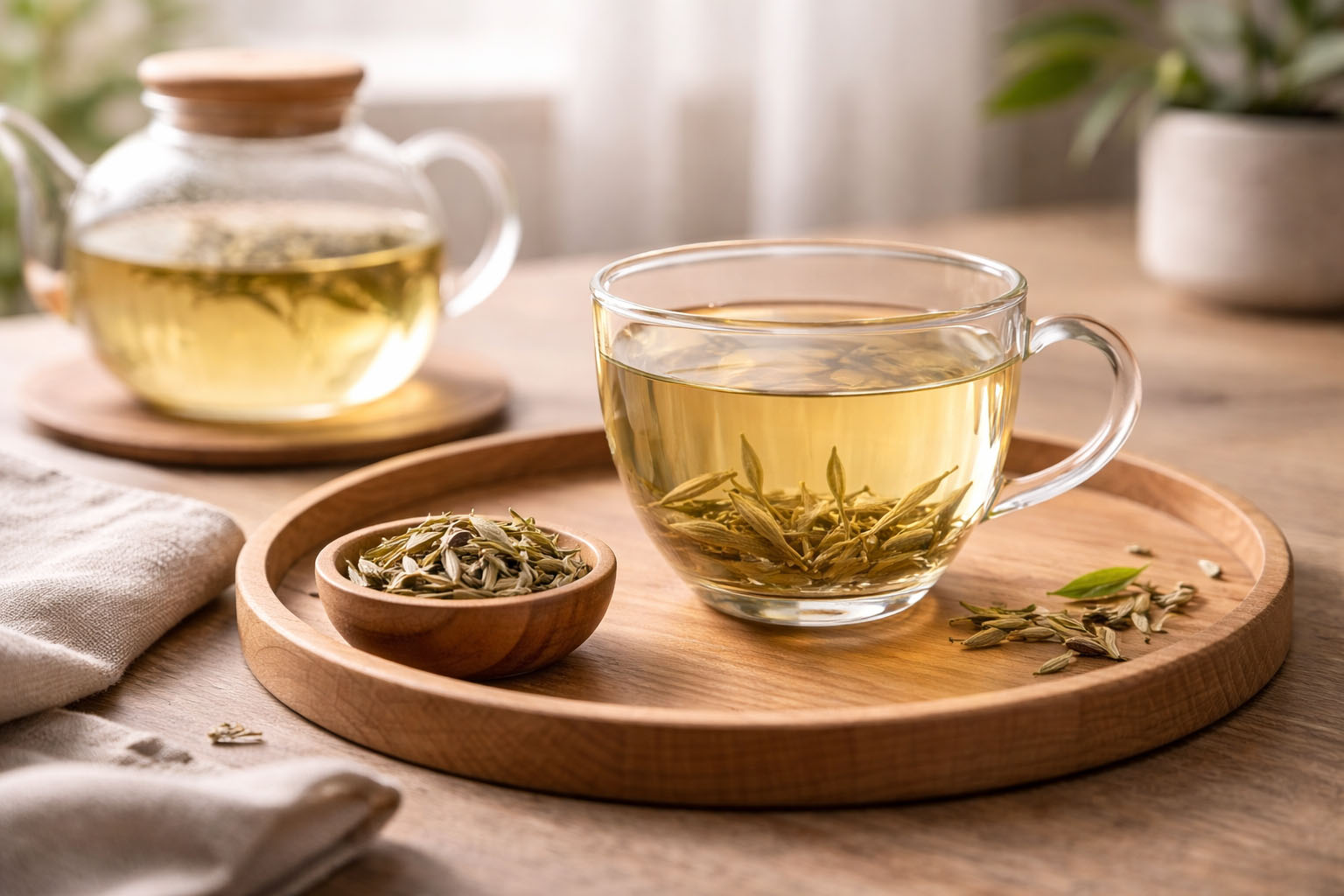
White tea is one of the least processed “true teas” (meaning it comes from the Camellia sinensis plant), and it’s loved for its light taste, soft natural sweetness, and “calm energy” feel. It’s often made from young buds and tender leaves, then withered and dried with minimal handling.
What is white tea made from?
White tea is made from the Camellia sinensis tea plant—the same plant used for green, oolong, and black tea. The difference is the processing, not the plant.
Most traditional white teas are made from:
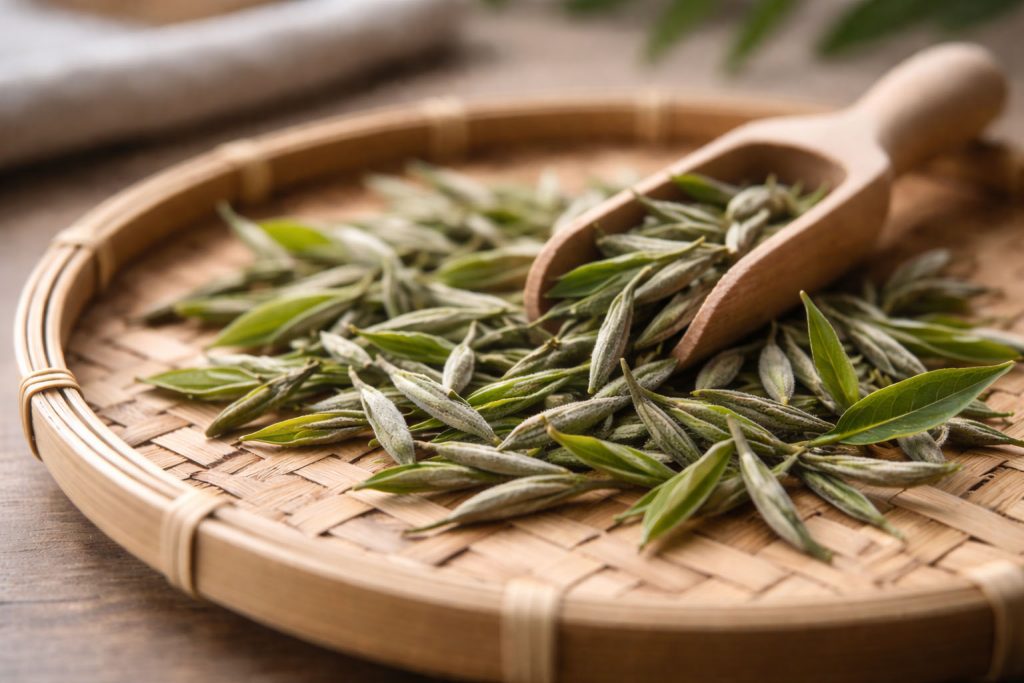
- unopened buds (often called “silver buds”)
- very young leaves picked early in the season
Because it’s minimally processed, white tea commonly retains high levels of tea polyphenols (including catechins) compared with more heavily processed teas.
How white tea is made (simple process, big impact)
White tea is typically produced with two main stages:
- Withering – fresh leaves/buds rest to reduce moisture
- Drying – gentle drying to stabilise the tea and stop further change
This “minimal handling” approach is why white tea tastes lighter and less grassy than many green teas and less bold than black tea.
Types of white tea you’ll see (and what they taste like)
Silver Needle (Bai Hao Yin Zhen)
- Mostly buds
- Light, sweet, very delicate, “clean” finish
White Peony (Bai Mu Dan)
- Bud + young leaf
- Slightly fuller flavour, gentle floral/fruit notes
Shou Mei / Gong Mei
- More leaf
- Deeper, warmer taste; often great value
If you’re new to white tea, White Peony is usually the easiest “first cup” because it’s flavourful but still soft.
What is white tea good for?
White tea isn’t a miracle drink—but it’s a smart everyday choice if you want a low-bitterness tea with polyphenols and a gentler caffeine profile.
1) Antioxidants (polyphenols + catechins)

White tea contains polyphenols, including catechins, which act as antioxidants in the body. Because white tea is lightly processed, many sources note it can be relatively rich in these compounds.
2) Heart and blood vessel support (evidence is strongest for tea generally)
Large bodies of research on tea (especially green and black) link regular tea drinking with cardiovascular benefits, likely related to flavonoids/polyphenols. White tea shares many of these compounds because it comes from the same plant.
Important: Most strong human evidence is on green/black tea, so it’s best to frame white tea as “part of the tea family” rather than a proven stand-alone treatment.
3) Focus with a calmer feel
Tea naturally contains caffeine and also L-theanine (a tea amino acid often associated with a calmer, smoother focus).
White tea can feel less “jittery” than coffee for many people—though everyone responds differently.
4) Weight management support (small help, not a shortcut)
Some reviews discuss tea compounds (catechins/caffeine) in relation to metabolism and cardiometabolic health. Realistically, white tea can support a healthy routine because it’s low-calorie and can replace sugary drinks—not because it “melts fat.”
What the evidence says
- White tea (human data is limited): A 12-week study in obese patients reported decreases in total cholesterol, LDL and triglycerides, with HDL increasing in the white-tea group.
- White tea (animal/mechanistic): Studies in mice and lab models suggest white tea/its polyphenols can improve “dyslipidaemia” markers and influence cholesterol-related pathways, but animal results don’t always translate directly to people.
- Tea overall (stronger evidence for green tea): Meta-analyses of randomized trials show green tea tends to produce small reductions in LDL and total cholesterol, with little/no change in HDL in many analyses. This supports the general idea that Camellia sinensis teas can help a bit.
How to drink white tea if your goal is cholesterol support
- Drink it plain/unsweetened (sugar and syrup cancel the “health drink” benefit fast).
- Use it to replace a sugary drink or extra snack (that’s where real gains come from).
- A practical range is 1–3 cups/day, earlier in the day if caffeine affects your sleep.
- Don’t forget the big levers: NHS advice for lowering cholesterol focuses on reducing saturated fat, improving overall diet, and lifestyle—tea can be a small add-on.
Important reality check
Even when tea helps, the effect is typically modest compared with diet changes (especially fibre/saturated fat reduction) and prescribed medication when needed.
Safety note: If you have high cholesterol, heart disease risk, or you’re on cholesterol medication (e.g., statins), ask your GP/pharmacist before using white tea (or any supplement/extract) as a “cholesterol strategy,” and don’t stop prescribed treatment without medical advice.
Does white tea have caffeine?
Yes—white tea is not caffeine-free. The amount varies by:
- bud vs leaf content
- how much tea you use
- steep time and temperature
Many sources estimate white tea often falls roughly around 15–40 mg caffeine per cup, but it can vary widely.
Tip: If you’re sensitive to caffeine, drink white tea earlier in the day or steep a little shorter.
How to brew white tea so it tastes amazing (not bitter)
White tea is delicate, so avoid boiling water.
Basic brewing guide
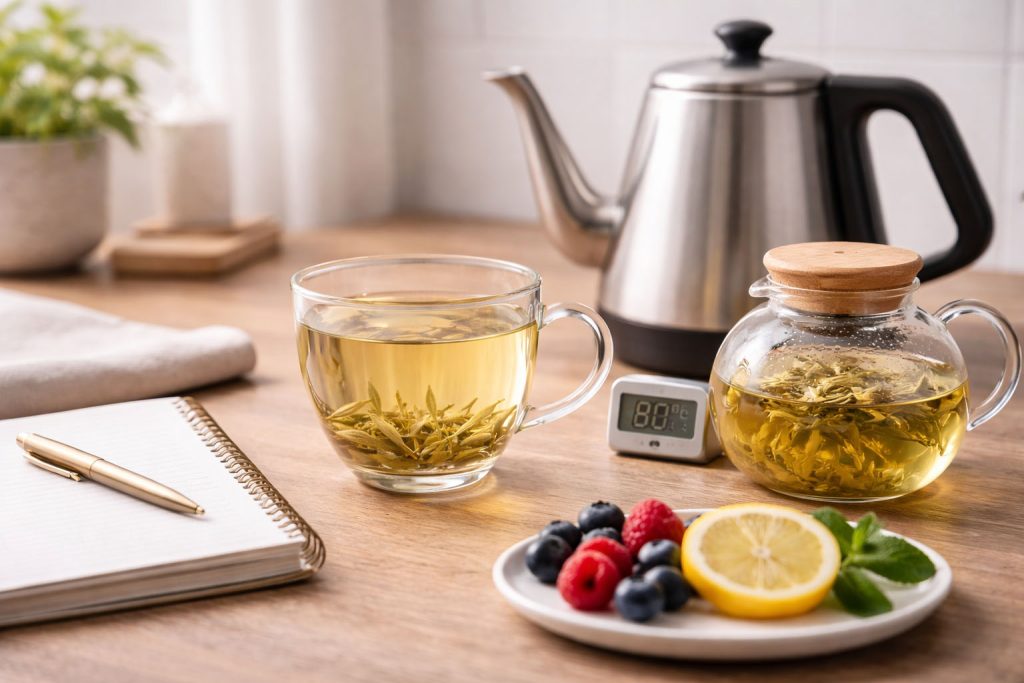
- Water temperature: about 75–85°C
- Steep time: 2–5 minutes
- Amount: 1–2 teaspoons per cup (adjust to taste)
Make it smoother (my favourite method)
- Warm your mug/teapot with hot water (then discard)
- Add tea leaves
- Pour 80°C water
- Steep 3 minutes
- Re-steep the same leaves 1–2 more times (many white teas taste great on the second infusion)
Who should be careful with white tea?
White tea is generally enjoyed safely by many people, but a few situations need extra attention:
If you’re low in iron (or taking iron)
Tea can reduce non-heme iron absorption, especially when consumed with meals. Consider drinking tea between meals and spacing it away from iron supplements.
If you’re pregnant
In the UK, the NHS advises keeping caffeine intake to no more than 200 mg per day during pregnancy. Tea counts toward that total.
If you’re caffeine-sensitive
Even “light” tea can trigger anxiety, palpitations, or sleep issues in sensitive people—especially late afternoon/evening.
If you take regular medication
If you’re on medication (especially anything for heart rhythm, anxiety/sleep, or blood thinning), treat daily high intake cautiously and check with a clinician/pharmacist.
Best times to drink white tea (practical routine)
- Morning: gentle switch from coffee, especially with breakfast
- Midday: great “reset” drink instead of a sugary snack
- Late afternoon: only if caffeine doesn’t affect your sleep (try before 3pm)
Nice add-ins (optional):
- A slice of lemon (fresh taste)
- A small teaspoon of honey (if you need sweetness)
FAQ
Is white tea the same as green tea?
Same plant, different processing. White tea is generally more minimally processed.
Can I drink white tea every day?
Many people do. Keep an eye on caffeine sensitivity and iron timing if relevant.
What does white tea taste like?
Light, slightly sweet, sometimes floral—less bitter than many green teas.
Final note
White tea is a simple upgrade if you want a calm, low-bitterness tea with naturally occurring tea compounds—especially when it replaces sugary drinks or constant coffee.
Safety note: If you’re pregnant, have iron deficiency/anaemia, or take regular medication, speak with your GP or pharmacist about what amount of caffeinated tea is appropriate for you.