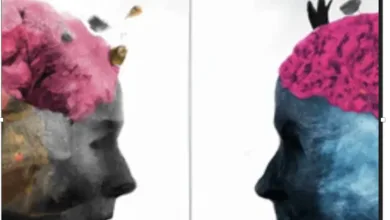
December brings financial pressure and emotional strain. For many, the holiday season feels like a budget crisis—spending on gifts, travel, and year-end appeals grows as personal resources shrink. This pressure is not just economic; it is deeply emotional. The season amplifies feelings of scarcity, making people more likely to focus on what they have rather than what they can share.
What Fear Does to Our Spending
Research shows that scarcity—whether real or perceived—narrows focus to what is familiar and immediate. When people feel financially or emotionally limited, their attention shifts to tangible, measurable needs: a repair, a medical visit, a short-term fix. This cognitive bias, known as ambiguity aversion, leads individuals to avoid uncertain outcomes and instead choose known risks.
For example, a person may choose to spend money on a gift they can see and use, rather than on a community event that requires time and effort to attend. This pattern is mirrored in institutions. Health systems prioritize emergency care over preventive, community-based wellness. Emergency rooms receive consistent funding, while programs like community health walks or art-based group meetings often go unfunded.
These choices are not irrational—they are shaped by fear. Fear of financial loss, fear of social rejection, or fear of not being able to meet expectations all contribute to a mindset that values immediate, visible outcomes over long-term, relational ones.
How Social Prescribing Works
Instead of just medicine, some health systems now ‘prescribe’ non-clinical activities. A doctor or social worker might recommend joining a choir, walking group, or park visit. These are not luxuries—they are evidence-based tools for mental and emotional well-being.
Studies show that participation in arts and nature-based activities reduces loneliness, improves mood, and enhances resilience. At NYC Health + Hospitals, the Arts in Medicine department integrates creative arts therapy into care. Patients are linked to cultural activities, and outcomes are measured through surveys and clinical assessments.
Similar programs exist on university campuses and in museums. For instance, the University of Michigan Arts Initiative offers ‘Arts Rx’ prescriptions to students, connecting them with creative activities to support mental wellness. These programs are not just about entertainment—they are therapeutic, designed to build emotional connection and reduce stress.
Why It Falls Through the Cracks
Health and cultural sectors rarely share budgets or data. This gap persists despite decades of recognition. In 1986, the Ottawa Charter for Health Promotion declared that health cannot be secured by the health sector alone. Forty years later, the promise remains unfulfilled.
Health systems are not designed to pay a museum or a dance company. These institutions operate on different financial models, with no standard way to measure the value of a cultural activity in terms of health outcomes. Faith communities often provide such services for free, without financial accountability or oversight.
There is no widely accepted framework for evaluating the cost-effectiveness of arts and nature-based programs. Without clear metrics, funders remain hesitant to invest. However, a review of 83 economic evaluations of social prescribing found that more than three-quarters reported favorable returns. The social value of such programs reached up to seven times the amount invested—indicating a strong return on investment in public health.

What Would Change This?
Experts are asking: How could referrals be paid? How could cultural partners be fairly compensated? How could health systems and cultural institutions collaborate on shared funding models?
Design teams are exploring innovative models where health systems pay for community-based activities. These could include arts or nature-based programs, with clear performance indicators and data-sharing agreements. For example, a hospital might pay a local theater to host a weekly session for patients, with outcomes tracked through patient feedback and mental health metrics.
Such models require transparency, shared data, and mutual accountability. Without these, the practice of social prescribing remains fragmented and underfunded.
What This Means for Holiday Giving
During the holidays, people often give money or time. Research shows spending on others increases happiness more than spending on oneself. Service-based giving—like volunteering or attending a community event—also improves well-being.
Instead of gifts, consider giving time. A visit to a local art group, a walk in a park, or helping organize a community event can build lasting connections. These acts may not show up in financial statements, but they contribute to emotional health and community resilience.
As Dr. Jill Sonke notes: ‘We have ample evidence that the arts are a valuable part of the social landscape that generates health. Now we need to design the market that invests in them as an upstream public health strategy.’
Money isn’t scarce. It’s scared. That fear shapes how we spend, how we give, and how we value connection. When we give time or money to those who hold a community together, both giver and receiver benefit.
At the Federal Reserve Bank of New York, a working group explored how capital could move toward public health. They found that social prescribing—connecting people to arts and nature—has strong evidence of value. These programs are not new, but they are still evolving. The shift requires small, consistent actions. A single walk in a park, a shared meal, or a volunteer session can become a form of giving that builds lasting bonds.
It may not be flashy. But it is real. And it is growing.
- Scarcity narrows choices to familiar, immediate needs.
- Health systems often fail to fund community-based wellness activities.
- Arts and nature-based programs show strong returns in mental health outcomes.
- Research supports social prescribing as a cost-effective public health strategy.
- Real change requires new models of funding and data sharing.
Source: A Better Prescription for Holiday Giving
Sources & further reading
Featured image: original publisher image. Via original publisher. Image source