Unconscious biases about women in leadership remain deeply rooted in society. These stereotypes shape how women are evaluated—often not for their policies or competence, but for their appearance or demeanor.
What Are the Deep-Rooted Stereotypes?
One common belief is that women are naturally nurturers, while men are inherently suited for leadership. This idea persists in politics, workplaces, and media.
It suggests men are decisive and action-oriented, while women are seen as emotionally driven and passive—traits often viewed as weaknesses in leadership.
Another stereotype is that women with children are less committed to work. This belief implies motherhood reduces ambition and dedication.
Such views are reinforced by narratives that equate family life with reduced professional drive—rather than recognizing that caregiving and leadership can coexist.
Women are also frequently judged as ‘too emotional’ for leadership—especially during pregnancy or under stress. This perception stems from a cultural idea that emotional sensitivity equals instability or lack of resolve.
Modern psychology shows emotional intelligence improves decision-making and team cohesion. The belief that women are emotionally unfit for leadership is outdated and contradicted by performance data.
Assertiveness, a trait praised in male leaders—seen as strength and action—is often viewed negatively in women. A confident woman may be called ‘bossy,’ ‘aggressive,’ or even ‘immoral.’
A man with the same behavior is typically praised as bold and capable. This shows a clear gender bias in how leadership behaviors are judged.
How Do These Biases Affect Real-World Outcomes?
Women candidates are judged on appearance: wardrobe, hairstyle, makeup, tone of voice, and body language.
These judgments often overshadow policy proposals, qualifications, and track records. A woman may be criticized for her look, while a man with a similar style is praised for professionalism.
These biases extend beyond politics. They appear in boardrooms, hiring, and performance reviews.
Women must conform to traditional gender expectations to gain trust—effectively sidelining their expertise and qualifications.
Enter the Leadership Archetypes
Rosalind Cardinal, a leadership coach and facilitator, studied how women lead. Drawing on her HR experience and mentorship, she identified a need for inclusive, empowering leadership models.
Since 2018, over 10,000 women have taken her Women Leader Archetypes (WLA) assessment. Based on this data, she developed four distinct yet flexible leadership archetypes rooted in self-awareness and personal values.
The Sovereign
Women who embody the Sovereign are self-assured and focused on excellence. They are confident, influential, and magnetic.
This style shows high self-acceptance—of self, others, and situations—as they are. Sovereign women feel in control and take pride in their work.
They use influence to inspire and serve, not to dominate. Their presence brings stability and purpose—leading to personal fulfillment and collective impact.
The Nurturer
Women who lead as nurturers prioritize care, empathy, and community. They create safe, inclusive environments.
Team members feel heard, valued, and supported. This style works well in team-based settings where trust and morale matter.
Strength lies not in authority, but in fostering connection and belonging.
The Strategist
Rooted in the Greek goddess Athena, the Strategist emphasizes planning, logic, and long-term vision.
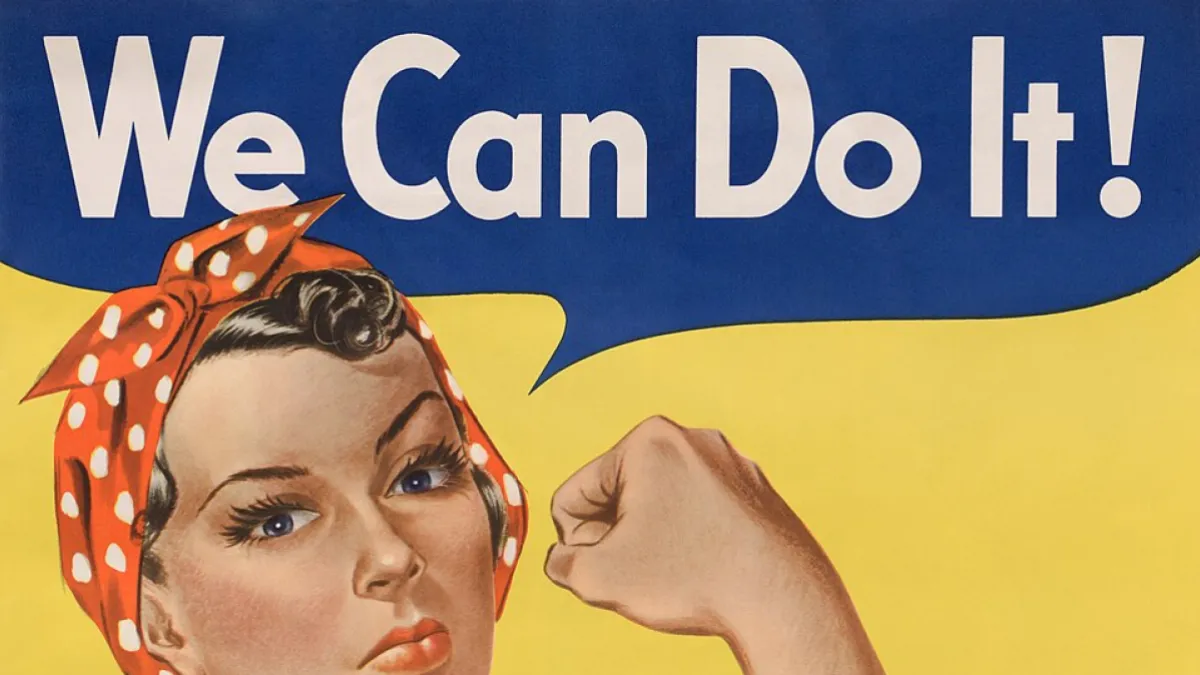
It challenges the stereotype that women are only suited for emotional or caregiving roles.
A strategist leads with precision, foresight, and data-driven decisions. This model shows leadership is not gendered—it’s a set of skills anyone can develop.
The Guardian
The Guardian reflects protection, integrity, and resilience. It’s especially relevant during crises.
Guardians lead with courage and responsibility, stepping in when others hesitate.
This style isn’t about being loud or assertive. It’s about being reliable, steadfast, and committed in tough moments.
Why This Matters Today
With more women running for office, it’s a powerful time to challenge outdated gender norms.
Yet, women are still judged more on appearance than on policy. The archetypes offer a way to shift that evaluation—allowing women to present themselves authentically.
By recognizing these patterns, women can choose styles that match their strengths—not what society expects.
This shift starts with self-awareness and ends with redefining leadership beyond gendered stereotypes.
It invites the public to move beyond surface judgments and see women as capable, diverse, and fully qualified leaders.
Limitations and Open Questions
These archetypes are not universal. Many women blend multiple styles in their leadership.
There’s no evidence these archetypes improve real leadership outcomes—like team performance or policy quality.
They offer value in self-awareness and identity, not measurable performance.
The research is based on self-reported data. It does not assess actual leadership effectiveness or policy impact.
The archetypes may reflect traditional gender biases—rather than offering a neutral or inclusive framework.
They don’t fully address structural inequalities like unequal pay, underrepresentation in boardrooms, or lack of mentorship.
As more women enter leadership, public judgment will still rely on gendered lenses.
The success of these archetypes depends on how widely they’re adopted and applied in real settings.
Future research should examine whether these archetypes improve decision-making, team dynamics, or public trust.
Until then, awareness is the first step—recognizing our biases helps us reframe how we see women in leadership, without reducing them to stereotypes.
Source: Psychology Today
Sources & further reading
Featured image: original publisher image. Via original publisher. Image source