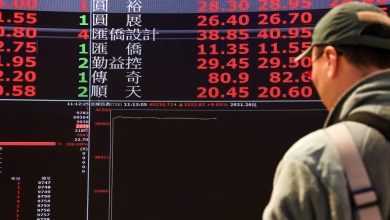
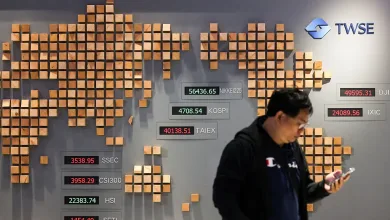
Asia’s technology sector has been deeply intertwined with Nvidia’s performance. The return of Jensen Huang as CEO triggered a wave of market reactions across the region. Source: bbc.co.uk.
What Happened: Huang’s Return and Market Reactions
When news of Jensen Huang’s return to Nvidia surfaced, it sparked immediate and widespread reactions in financial markets. Tech-heavy indices such as Japan’s Nikkei, South Korea’s KOSPI, and Taiwan’s Taiex all experienced sharp gains in the days following the announcement.
Initial investor sentiment was overwhelmingly positive. Many viewed Huang’s return as a symbol of stability and innovation. In Taiwan, where Huang was born and where the local tech community celebrates him as a national icon—known as ‘Jensanity’—the news triggered public excitement. On social media platforms like Line, users posted: ‘Old Huang is back’ and ‘Daddy is back to save my life.’
However, the euphoria faded. As political scrutiny grew, market volatility rose. Investors questioned whether the rally was sustainable. The situation shows how deeply Asian economies depend on global AI systems—and how sensitive their markets are to leadership shifts and regulations.
Why Asia Is So Exposed to Nvidia
Nvidia powers AI systems worldwide. Its chips run data centres, train AI models, and enable applications from self-driving cars to smart factories. Without Nvidia’s chips, many AI systems lack the computational power needed to function at scale.
Asia hosts the world’s most advanced semiconductor ecosystems. Taiwan, South Korea, and Japan produce key components used in Nvidia’s products. Samsung and SK Hynix supply memory chips essential for AI systems. These components are vital for performance and cost efficiency.
Most of Nvidia’s chip production happens in Taiwan. It outsources manufacturing to TSMC, the world’s largest semiconductor foundry. This means Taiwan’s economy is closely tied to AI demand. As Paul Cavey of East Asia Econ noted, Taiwan’s real economic growth since 2024 has been driven by AI-related exports. This shows how deeply the region’s economy depends on Nvidia’s success.
Next month, Nvidia will launch a major event to celebrate its planned headquarters in Taiwan. The investment is not just financial. It signals a strategic shift, placing Taiwan at the heart of global AI innovation and production.
For many in Taiwan, Huang’s return is more than a corporate event. It’s a cultural moment. He is seen as a technological visionary and national hero. Investors describe his return as ‘one man saves the village,’ showing both personal pride and hope for economic recovery.
AI Infrastructure Growth in Southeast Asia
AI infrastructure is expanding rapidly in Southeast Asia. The region is investing heavily in digital infrastructure to support AI-driven industries.
Singapore-based AI firm Megaspeed was the region’s largest buyer of Nvidia chips before facing allegations of smuggling them to China. Megaspeed says its operations are ‘legitimate and lawful’ and has hired external legal counsel for an internal investigation. The U.S. government has banned Megaspeed from doing business in the United States. This raises concerns about supply chain integrity and cross-border tech transfers.
These developments show AI is no longer a niche trend. It is now a core part of national economic strategy.
Global tech giants like Google, Microsoft, and Oracle plan to increase spending on AI infrastructure in the region by about 60% this year. This reflects growing confidence in AI’s potential and signals a major shift in how corporations allocate capital.
Political and Regulatory Risks
U.S. export controls on advanced chips have tightened under both Biden and Trump. These rules now extend to data centre operators in Singapore, Malaysia, Thailand, Indonesia, and Brazil. The new rules limit not only chip exports to China but also access to computing power used by Chinese firms abroad.
These restrictions affect Southeast Asian countries that have invested billions in data centres to serve Chinese clients. Nvidia has paused shipments to the region, according to the Financial Times. It’s unclear if this is temporary or part of a longer policy shift. The move shows growing tension between AI ambitions and geopolitical constraints. Nvidia has not responded to a BBC request for comment.
Political Backlash and Future Risks
Jensen Huang’s return has drawn criticism. President Trump claimed he personally negotiated with Nvidia’s board to reinstate Huang. This claim has sparked bipartisan concern. Analysts question its legitimacy, warning of political interference in corporate leadership.
Ray Wang of Constellation Research said: ‘The story is not over yet… Jensen coming back is probably the biggest, baddest return ever. The question is what will happen next?’ This reflects growing concern that AI power concentrated in one company may threaten global stability.
Democrats are expected to take control of the U.S. Huang is scheduled to testify before Congress next week. His testimony may reveal details about the company’s operations, government ties, and compliance with regulations.
Charu Chanana of Saxo Bank said Huang’s return resolves a leadership crisis but does not eliminate legal or political risks. Overreliance on a single company raises concerns about market stability, innovation bottlenecks, and governance failures. As Asia bets on AI, its economies remain deeply tied to Nvidia’s performance. Any supply chain disruption or regulatory shift could ripple through the region.
For investors and policymakers, the story is not finished. The next phase will likely include greater scrutiny, regulatory action, and potential shifts in global AI supply chains. The situation highlights a key vulnerability: overreliance on one tech company. While Nvidia drives innovation, its dominance also creates systemic risks.
Asia’s AI ambitions are tied to a single company. That makes the region’s future in tech both promising and fragile.
For more on Nvidia’s leadership shift, see: Nvidia Reinstates Jensen Huang as CEO
For a deeper look at the risks of Nvidia’s dominance, see: The Danger of Jensen Huang’s Handshake Deals at Nvidia
Sources & further reading
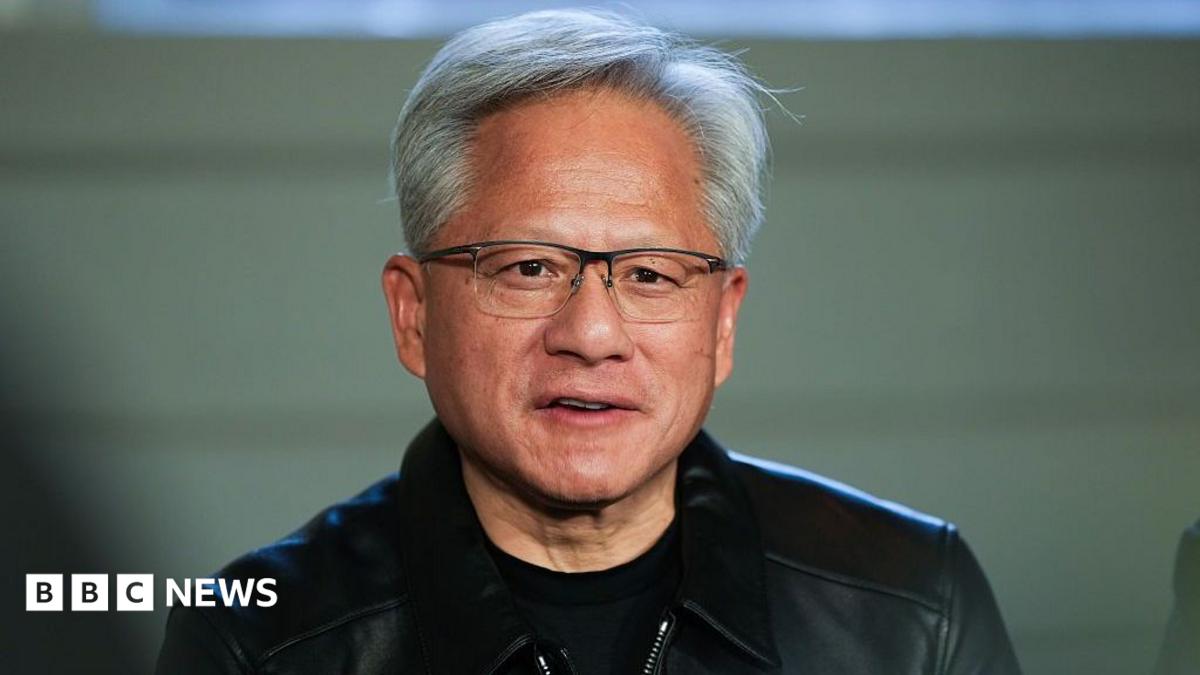
Featured image: Jensen Huang, chief executive officer of Nvidia, during the launch of the Sferical One AI supercomputer in Stockholm, Sweden, on Thursday, 15 October, 2026.. Via original publisher. Image source