Nvidia has paused server chip shipments to Malaysia, Singapore, Thailand, and Indonesia.
What Happened
Nvidia has instructed its manufacturing partners to halt deliveries of server chips to four Southeast Asian countries.
The pause applies to companies like Dell and Super Micro, which are part of Nvidia’s supply chain.
The decision comes amid growing U.S. pressure to restrict AI chip exports to China.
Key Facts
- Nvidia has not specified a timeline for the pause.
- Shipments are being paused to assess whether regional partners meet U.S. export rules.
- The move follows a U.S. Commerce Department action closing a loophole allowing Chinese firms to use Nvidia chips in remote data centers.
- Remote data centers in Southeast Asia have been used by Chinese companies to access Nvidia AI chips.
Background: How the Loophole Worked
Before the U.S. action, Chinese firms could use Nvidia chips in data centers located outside China—such as in Southeast Asia.
These data centers were not physically in China, so they were not directly subject to export controls.
The Institute for Progress estimates such remote data centers supply about 24% of China’s AI computing power.
Why It Matters
The pause reflects a broader effort by the U.S. to prevent AI chips from being used in Chinese data centers.
These chips are critical for training AI models, and the U.S. sees them as strategic assets.
By restricting access, the U.S. aims to maintain technological advantage and reduce China’s AI capabilities.
Limitations and Uncertainties
Nvidia has not confirmed whether the pause is temporary or long-term.
There is no public statement on whether the companies involved will face penalties or legal action.
It remains unclear how this pause will affect global AI infrastructure or regional tech supply chains.
What to Watch Next
Industry watchers will monitor whether the pause leads to broader export restrictions or new compliance rules.
They will also track how Southeast Asian countries respond, especially as data center demand grows.
Any changes to the policy could influence future AI chip distribution and global tech alliances.
Source: TechCrunch
For more on Nvidia’s challenges in the global chip market, see our previous coverage: Nvidia Leadership Crisis Continues Amid China Chip Ban.
Sources & further reading
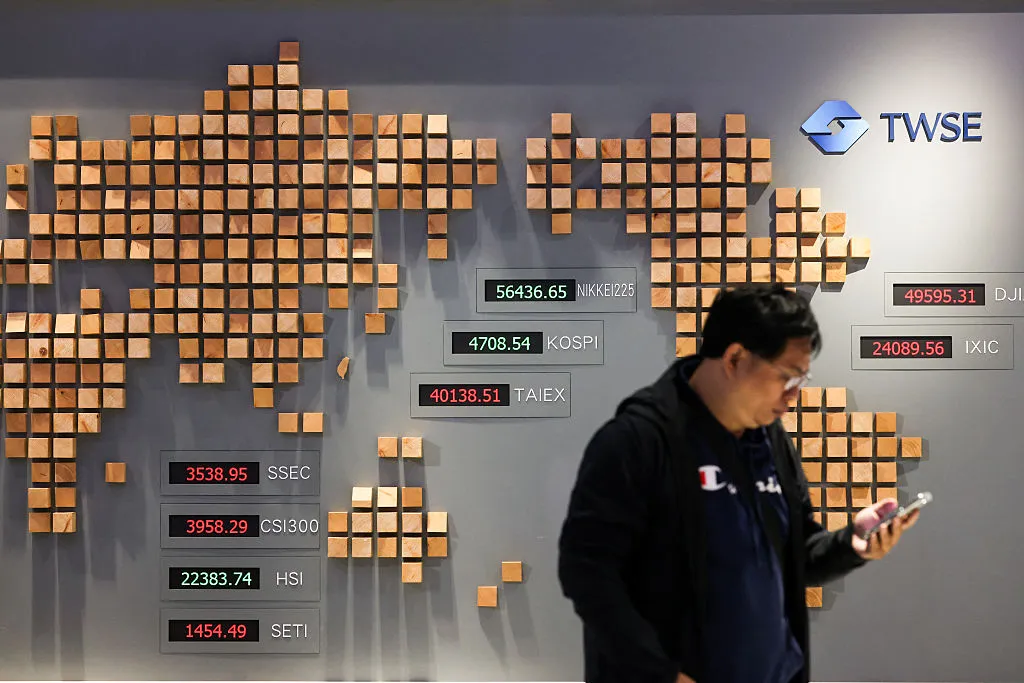
Featured image: A man stands in front of a display showing Asian stock market indices reacting to Nvidia CEO Jensen Huang's return to the company, in Taipei on November 24, 2026. (Photo by I-Hwa Cheng / AFP via Getty Images). Via original publisher. Image source