Police departments across the U.S., Canada, and Russia have created AI-generated content celebrating Grand Theft Auto VI. The game is known for its satirical, often violent portrayal of law enforcement—yet departments have embraced its visual style for social media.
What Happened
The San Diego Police Department posted an AI-generated image of a cruiser at sunset over the San Diego Bay. The image uses neon pinks and purples, matching GTA’s style. The caption reads: Join San Diego PD VI, followed by Want to drive a police car, we can make that happen! Apply Now!
A Washington state department shared a post promoting law enforcement careers. It reads: No cheat codes, no respawns. Just real people, real challenges, and a career that makes a difference. The tone mirrors GTA’s exaggerated style. A spokesperson said it was a viral trend response, not an official campaign.
Canadian departments from Edmonton to Toronto have adopted the GTA aesthetic. The Calgary Police Service made a lighthearted post, showing a traffic officer reacting to clips of illegal driving in the game. The department said it aimed to humanize public services through humor—though one officer admitted it felt like a parody.
Some departments used the game to reinforce real laws. Glendale Police posted: Keep It In The Game VI. The caption warns to follow speed limits and keep wanted levels at zero. Denver Police added: Grand theft auto is still illegal. These posts aim to clarify fiction from reality.
Key Facts
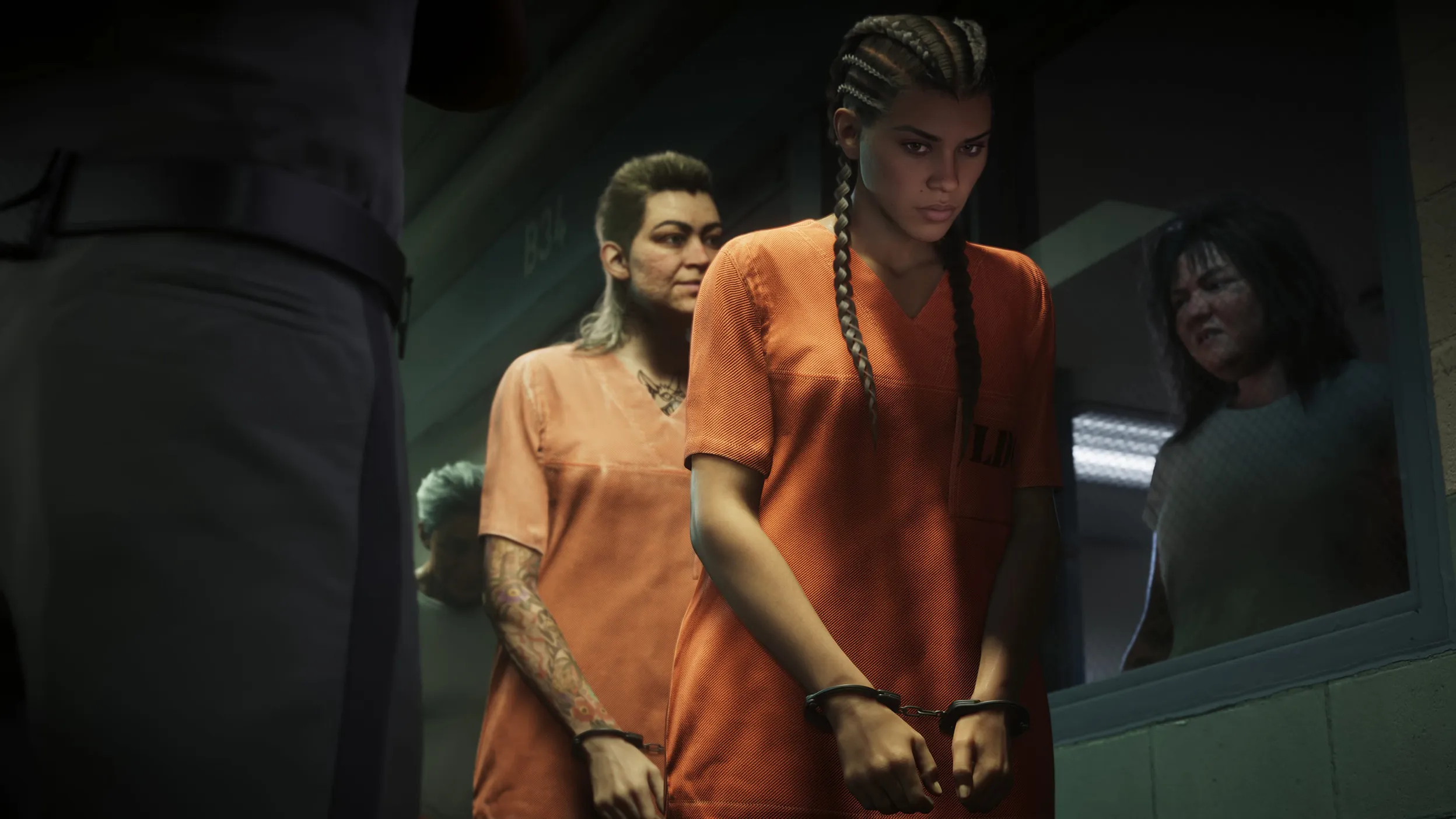
- An in-game ad for the Vice City Police Department suggests cadets are trained in racial profiling and planting evidence—content critics say reflects real concerns about police misconduct.
- Players have discovered that filming a police officer during an arrest triggers a violent response. One clip shows a character threatened for taking a selfie in the street.
- Despite the game’s portrayal of police as corrupt and violent, departments have embraced its visual style for social media.
- As of this reporting, the Russian military has posted GTA VI-style recruitment ads on its Telegram channel.
- NATO has referenced the game, claiming even the best gamers would struggle to evade fighter jets and submarines.
- A U.S. Army battalion in Georgia granted 43 soldiers four days off to play the game in exchange for reenlisting for two more years.
How the Game Portrays Law Enforcement
One in-game ad asks: ‘Have you always dreamed of abusing your power without consequence?’ It suggests cadets learn to apply excessive force and plant evidence. These depictions have drawn criticism from civil rights groups who say they risk normalizing abusive practices under satire.
One player reported that filming a cop during a questionable arrest triggers violence. In one clip, a character is pulled over for a selfie and immediately threatened. A user said: ‘The game doesn’t distinguish between real and virtual law enforcement—so when you see a cop, it feels like you’re watching a real one.’
These portrayals have sparked debate about how such content might shape public views on policing, especially around racial profiling and excessive force.
Why It Matters
Departments are using a game that mocks their role to connect with younger audiences. One official said: ‘We didn’t set out to make a statement about policing. We just wanted to connect with people who engage with pop culture.’
Critics argue the posts appear absurd, especially given policing’s ongoing scrutiny. A public affairs analyst said: ‘This isn’t just about style—it’s about how institutions adapt to internet culture. When a department posts a neon cruiser with ‘Join San Diego PD VI,’ it signals a shift: prioritizing virality over accuracy or responsibility.’
Limitations and Open Questions
There’s no evidence players are influenced to commit real crimes. The game remains fictional. Still, military and law enforcement agencies have adopted GTA-style content—suggesting a deeper cultural shift.
It’s unclear if these posts are part of a coordinated effort. No departments have confirmed them as policy or recruitment tools. There’s no public record of increased recruitment or trust from these posts.
What to Watch Next
More institutions may adopt game-inspired visuals in public messaging. The role of AI-generated content in shaping public views of law enforcement will be closely watched. As more agencies use game aesthetics, the line between satire and official messaging will blur. This trend may signal a broader shift in how public services communicate—prioritizing style and virality over substance and integrity.
For more on the world of crime and daily life in the game, see our in-depth feature on Grand Theft Auto VI: A World of Crime and Daily Life.
For the original report, visit Wired.
Sources & further reading
Featured image: original publisher image. Via original publisher. Image source