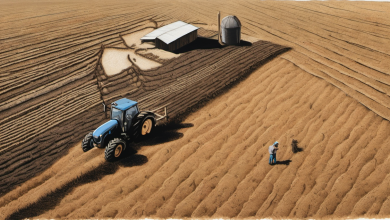
Global food prices have reached their highest level in three and a half years, according to the UN Food and Agriculture Organization (FAO). The FAO index of food commodity prices rose to 131.1 points in July, up from 130.3 in June — its highest level since January 2023.
Weather Impacts on Crop Yields
Heatwaves are significantly affecting wheat production in key countries. Farmers in Europe have warned that extreme heat, drought, and wildfires will continue to disrupt food production.
Weather fears also impacted sugar prices. The FAO attributed a 5.6% jump in sugar prices to hot and dry conditions in the European Union and the developing El Niño weather system.
Maize prices rose 3.6% in July, driven by concerns over dry weather in the U.S. Corn Belt. These supply concerns are pushing up global prices for cereals and related products.
Geopolitical Disruptions
Conflicts in Ukraine and Iran are disrupting food exports and increasing prices. Ongoing attacks between Russia and Ukraine have damaged Black Sea export infrastructure, limiting grain flows.
Iran’s war has also contributed to rising food costs. About a third of global fertilizer production passes through the Strait of Hormuz, a key shipping route. Disruptions here reduce fertilizer availability, affecting crop growth worldwide.
Price Trends by Commodity
- Cereals: Global wheat prices rose 5.8% in July. Cereal prices increased 3.4% month-on-month.
- Sugar: Prices jumped 5.6% due to weather fears and rising demand from ethanol fermenters in Brazil.
- Vegetable oil: Prices rose 2%, driven by strong demand from Indonesia’s biodiesel sector and higher crude oil prices.
- Meat: Prices fell 2.8% in July — the first monthly drop this year. Pigs’ growth was limited by heat, offering some price support.
- Dairy: Prices dropped 0.7%, with butter down 2.4%. Cheese prices rose 1.7%, their first increase in a year.
Why This Matters
Higher food prices tend to pass through to consumers. This means households may face rising grocery bills in coming months.
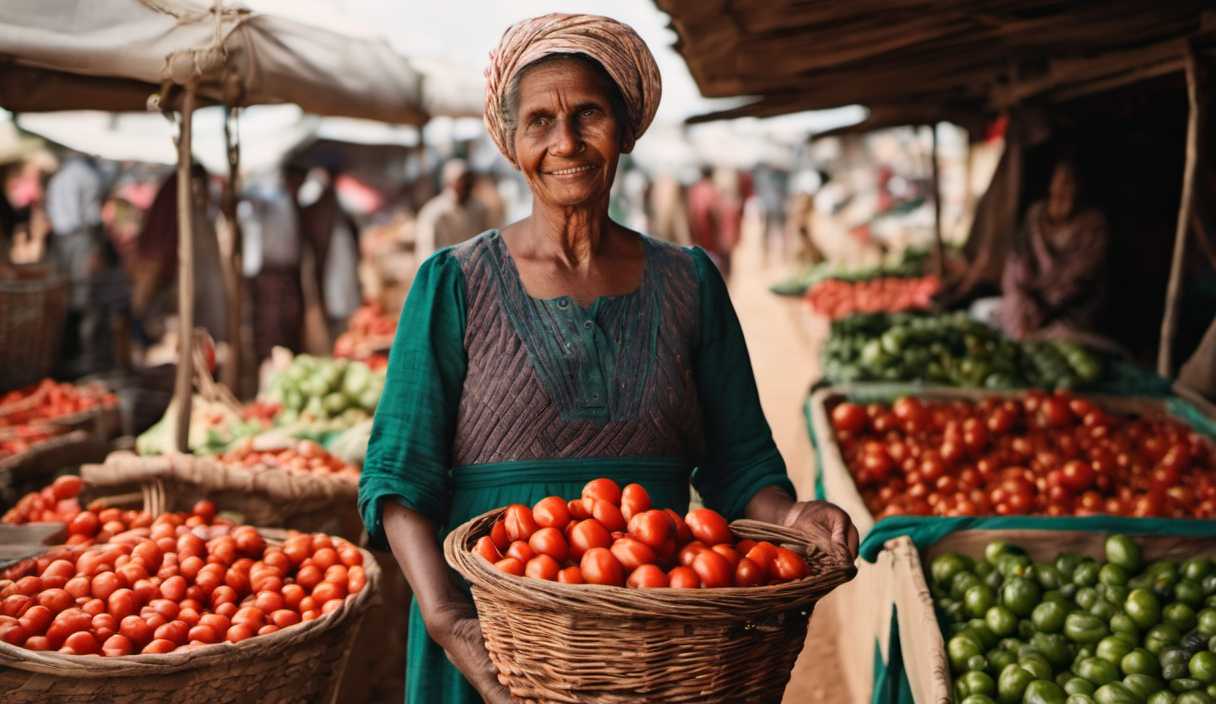
The UN’s World Food Programme (WFP) has warned that people in vulnerable regions may face increased food insecurity due to climate and conflict-related disruptions.
What to Watch Next
Key developments include:
- Continued heatwave impacts on European and American agriculture.
- Progress in Black Sea export routes and fertilizer supply chains.
- El Niño’s effect on crop yields in vulnerable regions.
For more on how oil prices influence food costs, see our article on oil and food costs.
These trends highlight how climate and conflict are shaping global food markets. The situation is especially serious for low-income households and regions already facing food insecurity.
For real-time updates on global food and energy markets, visit The Guardian.
Extreme heat in central and eastern Europe has already broken temperature records. For more, see this report.
Sources & further reading
AI-generated illustration.