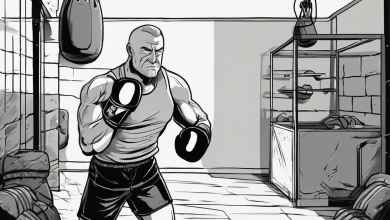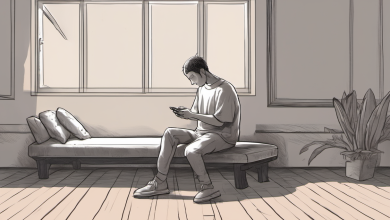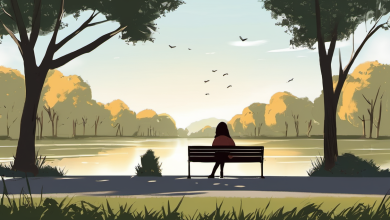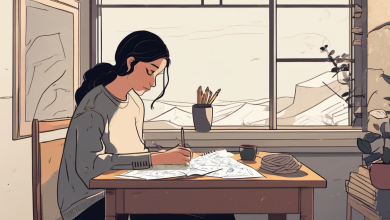
Body changes during aging or illness can trigger deep emotional responses. Looking in a mirror may feel like seeing a spiritually empty or weak version of oneself.
What the Body Loss Feels Like
Unpleasant sensations—like pain, pins and needles, or a fog in the head—signal that the body is no longer the one you once knew.
These changes often prompt a wish to return to a past version of self. This feeling of loss is common and deeply human.
How Chronic Illness and Aging Trigger Grief
One in five people globally live with chronic pain. Among those 75 and older, low back pain and migraines are most common.
Chronic illness—such as diabetes or heart disease—affects about three-quarters of the world’s population.
Despite its prevalence, how people navigate these changes is rarely discussed. The emotional toll is real and significant.
Psychological Roots of the Grief
Psychology shows that people seek control over their lives. When that sense of control fades, grief follows.
Feelings of diminished perceived control—believing one can no longer achieve desired outcomes—lead to anxiety, depression, and grief.
Many report mourning a life they once imagined, especially when their body changes in function, not just appearance.
Internalized Stigma and Emotional Burden
Some people internalize stigma around illness, focusing on how it diminishes their self-worth.
This can lead to overlooking positive aspects of life and a fear of burdening loved ones.
Many express guilt: ‘Others have it worse than I do.’ This guilt deepens shame and isolation.
Meaning Reconstruction Theory
Psychologist Robert Neimeyer’s Meaning Reconstruction Theory helps people rebuild purpose after loss.

While originally developed for grief after losing a loved one, it applies well to grieving one’s body.
The theory asks two key questions: ‘How do I move forward?’ and ‘What matters most?’
Two Paths to Healing
- Integrate the loss: Process bodily changes in therapy, talk with trusted loved ones, and accept your current body without judgment.
- Recenter purpose: Understand why the loss hurts. For example, hiking may feel like an end, but nature can still be enjoyed differently.
Rebuilding Meaning from Loss
Change can teach us about resilience and self-awareness.
Ask: What has this loss taught you about yourself or your impact on others?
Seeing change as a teacher, not a failure, helps preserve a sense of fulfillment.
Why This Matters
Living with chronic pain, illness, or aging involves more than physical discomfort. It reshapes identity, relationships, and future plans.
Acceptance and growth come not from ignoring the loss, but from integrating it and rebuilding purpose.
Even if life looks different, fulfillment remains possible with the current body.
For more on processing grief through creative tools, see how a video game helped me process grief.
For broader insights on resilience, explore seven ways to resist authoritarianism without losing yourself.
And for research on primate social behavior, read chimps steal less from friends.
This article is republished from The Conversation under a Creative Commons license. Original source: How to Deal With the Grief of an Aging Body.
Sources & further reading
AI-generated illustration.