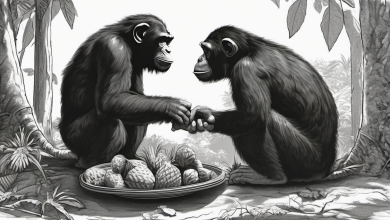
Young men across the Western world face economic shifts that have left many feeling purposeless and vulnerable. This void has been exploited by influencers who promote narratives like ‘reclaiming manhood’ through aggressive, gendered messaging.
Myths About Male Power
These messages often rely on a distorted view of evolution and dominance. The idea of an ‘alpha male’—a dominant, aggressive leader—is popularized in media and coaching circles.
But this image is outdated and inaccurate. It comes from studies of captive wolves, not wild animal groups. In nature, dominance is not about power for power’s sake.
Chimpanzees Show a Different Model
Male chimpanzees form linear dominance chains. Higher-ranking males sire more offspring. Yet, this is only part of the story.
Day after day, most male chimpanzees avoid physical conflict. Instead, they groom each other for hours. They embrace after fights and kiss allies before risky patrols.
Before boundary patrols, they hold each other’s genitals—a gesture of deep trust. This behavior is not about submission; it’s about bonding.
Friendship Builds Stability
Research from Gombe and Taï National Park shows that males with strong ties to the alpha—regardless of rank—sire more offspring.
When dominance shifts, stress rises in all males. Aggression drops when the group is calm. Stability matters more than hierarchy.
Groups that tear themselves apart cannot defend territory. This shows that cohesion, not just dominance, is key to survival.
Consolation in Action
At a wildlife sanctuary in Zambia, a chimp named Doug was ambushed during a routine separation. He screamed and cowered—something not seen in his usual composed leadership.
A low-ranking male approached first, offering submission. Then, nearly 40 chimpanzees responded with affection: embraces, kisses, hand placements in his mouth, and invitations to mount them.
This collective reassurance is rare and likely only happens in moments of crisis. It reflects deep trust and emotional connection.
How This Behavior Works
Such acts require immense trust. Chimpanzees have a history of violence, including amputations. These gestures could spark conflict.
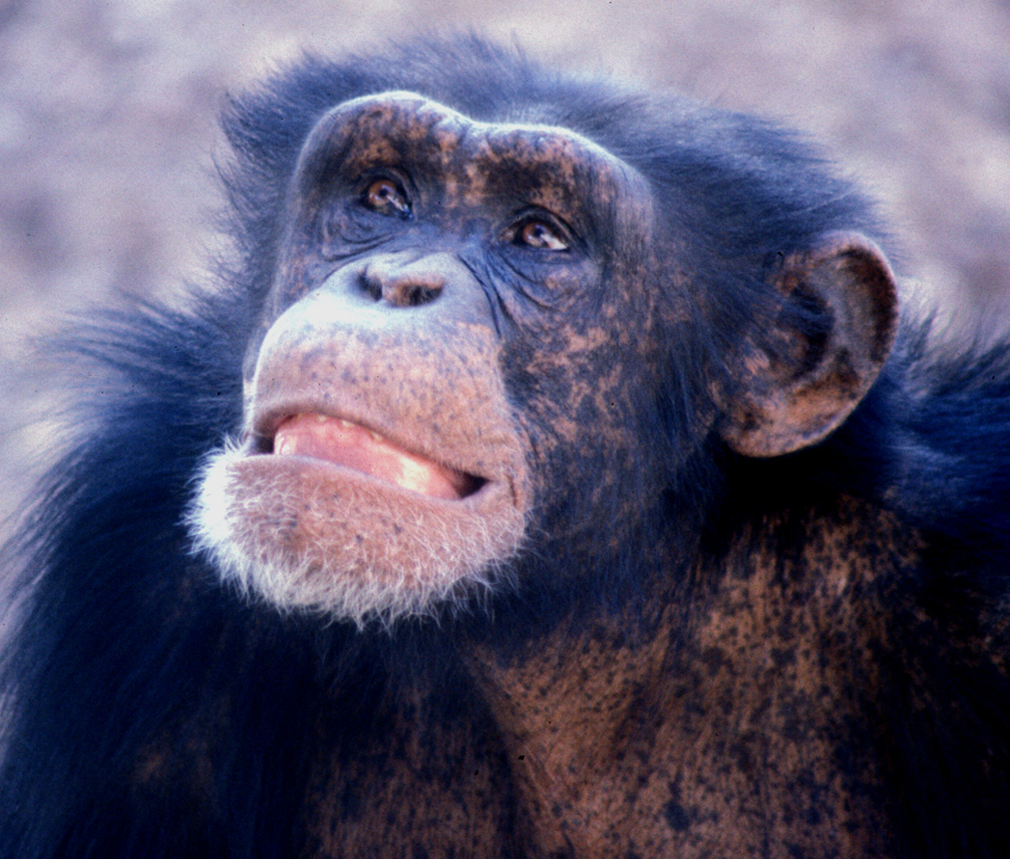
Yet, they only occur when individuals believe their allies will not use the gesture against them. This signals loyalty and mutual care.
Why This Matters for Humans
Chimpanzee groups show that cooperation, care, and vulnerability are not signs of weakness.
They form the foundation of stable, resilient communities. In human males, similar behaviors—empathy, touch, and emotional openness—can improve relationships and well-being.
Studies show that male chimps in tolerant groups spend more time feeding peacefully. This suggests that friendship reduces competition and builds harmony.
These behaviors challenge the idea that masculinity means strength through dominance. Instead, it can mean care, connection, and shared vulnerability.
Dr. Anna Preis and her team studied 116 apes across five groups. They found that those who showed more reassuring contact before a feeding task spent more time feeding peacefully.
These findings come from real-world research. They are not speculative. They are grounded in long-term field studies and peer-reviewed science.
For men navigating modern life, the lesson is clear: strength isn’t about control. It’s about connection.
Explore more about primate social behavior: Chimps Steal Less From Friends.
For broader perspectives on emotional balance, see: Zen, Feng Shui, and Life-Balancing Philosophies.
And learn about meditation’s role in emotional regulation: How Long Should You Meditate?.
Original research is available at: Greater Good Science Center.
Sources & further reading
AI-generated illustration.