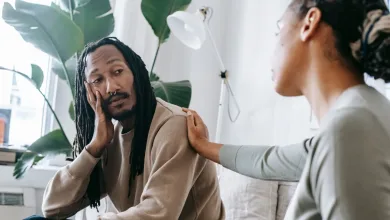
After a fight, couples often react by escalating conflict or withdrawing emotionally. These responses can deepen divisions. A more effective path exists—one focused on repair, not blame.
The Problem with Blame
Many couples get stuck in a cycle where each person defends their position. This is often called the ‘roach motel’ effect—where people get in but can’t get out. Marriage researcher John Gottman has described such patterns as relationship ‘disasters,’ in contrast to ‘relationship masters’ who have learned to stop, calm down, or shift focus to solutions. These ‘masters’ don’t argue about who was right or wrong; instead, they prioritize actions that reduce harm and create space for healing.
Comedian Brian Gaar has said, ‘Relationships are mostly you apologizing for saying something hilarious.’ This observation captures how even small, seemingly trivial disagreements can trigger strong emotional reactions. What may seem like a joke to one partner can feel dismissive, disrespectful, or even cruel to another. The emotional impact of such moments is not about the humor itself, but about how it is perceived in the context of trust and connection.
When partners become entrenched in defending their positions, they often lose sight of the underlying emotional needs that were at stake. For instance, a comment that seems lighthearted might actually reflect a deeper issue—such as feeling unseen or undervalued. The moment of conflict becomes a mirror, revealing not just what was said, but how each person feels when they are not heard or acknowledged.
What Makes a Workable Response?
Workability is a concept rooted in relationship psychology that asks not ‘who is right,’ but ‘what is the right thing to do?’ This shift in focus moves the conversation from competition to collaboration. Instead of debating facts or assigning blame, couples can evaluate whether an action—like a sincere apology or a simple gesture—improves the emotional climate of the relationship.
As psychologist Russ Harris suggests in his work on Acceptance and Commitment Therapy, effective communication in relationships centers on values and emotional presence, not on proving correctness. Questions such as ‘Is it true? Is it kind? Is it necessary? And, is it workable?’ guide partners toward actions that are both honest and compassionate.
For example, if a partner misremembers a detail about a conversation, it may be accurate—but arguing over the detail does not resolve the emotional tension. Instead, the focus should shift to how the interaction affected the other person’s sense of safety, responsiveness, and emotional connection. These underlying needs are far more important than the specific facts of what was said.
Repair Attempts: The Most Effective Step
A 2014 study published in the Proceedings of the National Academy of Sciences examined how people respond after being hurt. Participants described recent incidents of emotional harm and were followed for several weeks. The researchers found that the more steps an offender took to make things right—such as offering a sincere apology, making a small recompense, or demonstrating a peacemaking attitude—the more likely the hurt partner was to forgive and view the relationship more positively.
These gestures were not grand or dramatic. They were simple, consistent actions that showed genuine care. A sincere apology, for instance, is not a superficial ‘Sorrrrreeee! Sheesh!’ It requires ownership—admitting what was said or done, without minimizing or deflecting. The apology must acknowledge the emotional impact, not just the factual error.

How to Make a Repair Work
Couple therapist Sue Johnson, in her book Hold Me Tight, offers a structured approach to healing emotional wounds that don’t resolve on their own. Her method includes four key steps:
- Partners should speak honestly and simply about the hurt. Focus on feelings, not fault. For example, saying ‘I felt hurt when you didn’t respond to my message’ is more effective than ‘You lied to me!’
- The person who caused the hurt must take ownership. This means acknowledging what happened, not just excusing it. A real apology includes a clear admission of what was said or done, and an expression of how it affected the other person.
- Both partners should avoid rehashing details. Instead, they should discuss what needs to happen next. This conversation should center on underlying needs—such as emotional safety, responsiveness, and connection—rather than on debating facts or assigning blame.
- They should explore how the interaction could be improved in the future. This might include setting new communication routines or creating shared emotional check-ins.
When couples talk through events without rising to anger, they rework the memory into a less bitter version. This process helps rebuild trust and emotional safety. Over time, these conversations become a foundation for deeper understanding and mutual respect.
Forgiveness Is Not Instant
Apologies don’t erase pain. A person can say ‘I’m sorry’ for breaking another’s arm, but the physical and emotional pain may last for a long time. True healing requires time, emotional space, and genuine regret—not just an expression of remorse for the consequences.
It’s not enough to say ‘I’m sorry’ and expect the other person to move on. The person who caused harm must also feel genuine regret for the pain caused—not just for the problems it has created. This kind of emotional accountability is what transforms an apology from a formality into a meaningful act of repair.
Forgiveness is a process, not a one-time event. It involves recalibrating expectations, adjusting communication patterns, and committing to better behavior in the future. When one partner says something unhelpful, the other should resist the urge to escalate. Instead, they can respond with a sincere repair attempt. This small shift can prevent conflict from spiraling and build resilience in the relationship.
Research shows that conciliatory gestures promote forgiveness and reduce anger. These gestures are not grand gestures—they are simple, consistent actions that show care and commitment to the relationship.
Ultimately, the best way to respond after a fight is not to prove who was right. It is to focus on what helps both partners move forward.
Source: Psychology Today
Sources & further reading
Featured image: original publisher image. Via original publisher. Image source