UK government lacks power to force platforms to remove prison content, according to Labour MP Jess Phillips, amid growing scrutiny over Russell Brand’s YouTube message from prison. Source: theguardian.com.
What Happened
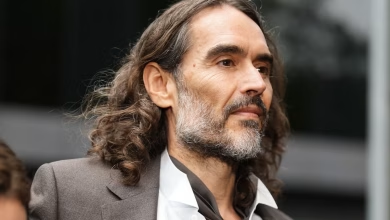
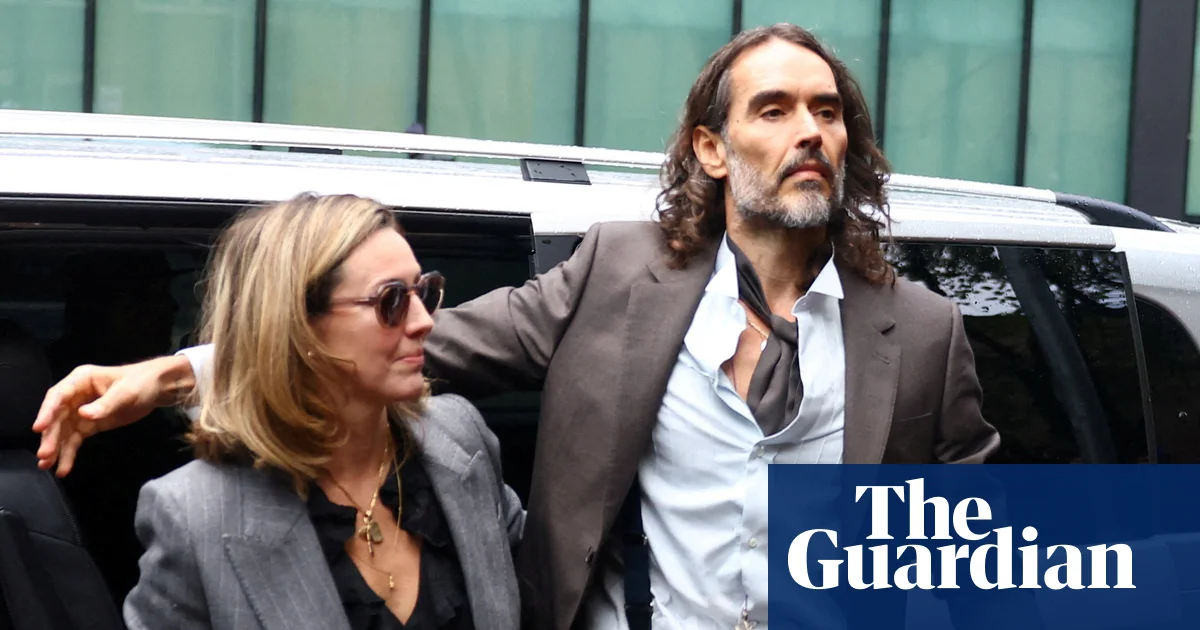
Just days after his conviction, Russell Brand’s wife, Laura, shared a message from her husband to 6.6 million YouTube subscribers. He claimed he was not guilty of sexual offences for which he was convicted by a jury. The video has nearly 850,000 views.
The Ministry of Justice (MoJ) launched an investigation into whether he broke prison rules. It has not yet released a formal finding on whether the message violated prison regulations.
Google, which owns YouTube, rejected a request from the UK government—made through the Prison Service—to remove the video. The request came amid concerns it distresses sexual abuse survivors. A Google spokesperson said: ‘We’re aware of the new content and our teams are investigating. We suspended Russell Brand’s channel from the YouTube partner program in September 2023. The channel has not been able to monetise on YouTube since then.’
Government’s Legal Limits
Labour MP Jess Phillips, a former minister for safeguarding and violence against women and girls, says the UK government cannot legally demand platforms remove content from convicted individuals.
She told BBC Radio 4’s Today programme that Ofcom’s online safety codes are voluntary. ‘They are just voluntary and frankly, voluntary codes to tech companies is the triumph of hope over experience,’ she said. ‘These codes have not been tested in real cases involving high-profile prisoners.’
Phillips argues the current rules don’t cover cases where convicted people use social media to reach large audiences. Such cases are new. Prisoners previously had no major online followings.
Existing Laws and Gaps
The Online Safety Act, passed in 2023, protects users from illegal content and stops under-18s from seeing age-inappropriate material like pornography. It has been updated with new Ofcom codes of practice.
But it does not address prisoners using social media to speak to the public. This gap is clear in Russell Brand’s case, where a convicted man reaches millions with a message of innocence.
Phillips believes a second online safety act may be needed. The current system fails to handle content from public figures with large followings.
Public and Political Responses
Andrea Simon, victims’ commissioner for London, called on Google to remove the video. She said it could re-traumatize survivors and undermines trust in the justice system.
Josh MacAlister, minister for children and families, hopes Google will act like Meta did. Meta disabled Brand’s accounts because they breached standards against harmful content.
Matthew Pennycook, housing minister, called the video ‘disturbing’ and ‘abhorrent in message’. He noted prisoners are banned from media statements. This case is an exceptional breach of both prison and public safety rules.
Kemi Badenoch, Conservative leader, expressed concern about prisoners using social media. But she said Brand’s wife is a separate person. ‘YouTube is a private platform,’ she said. ‘Demanding removal without checking if a law was broken is not where I would start.’
Why This Matters
This case reveals a gap in UK digital safety laws. It raises urgent questions about balancing free speech with protecting victims and public trust in justice.
Phillips warns that if Google leaves the video up, it shows current safety codes are weak. She believes sustained pressure will push platforms to change policies. A new law may be needed to set clear rules for prisoner content.
Limitations and Open Questions
There is no clear legal path to remove content from prisoners on social media. The MoJ has not yet concluded whether Brand broke prison rules. Google has not confirmed if the video violates its own community standards.
It’s unclear if a new online safety act would include prisoner content rules. How such content would be regulated remains unknown. Similar concerns have been raised about Tommy Robinson, a far-right activist with a large online presence.
The case may spark broader debate about how social media balances free expression with public safety and victim rights.
For more on how UK online safety laws protect children, see UK Online Safety Laws Fail to Protect Children, Ofcom Admits.
For a similar case in Australia, see Social Media Violence in Australia: The Case of Helen Haines.
For background on Russell Brand’s conviction, see Russell Brand sentenced for rape and sexual assault.
Sources & further reading
Featured image: original publisher image. Via original publisher. Image source