A letter to The Guardian explores parallels between social media use and alcohol consumption. It argues that both behaviors stem from user habits, not inherent flaws in the platforms themselves. Source: theguardian.com.
What the Letter Says
John Kirkwood writes that reading letters about quitting Instagram felt like attending an Alcoholics Anonymous meeting. He sees a common pattern: the issue lies with how users engage with content, not with the platforms themselves.
He outlines specific personal rules to manage his Instagram use. These include never posting images of his family, only sharing images of himself when part of a group—like cyclists. He blocks any request he suspects is inappropriate, noting it’s easy to spot such cases.
He limits himself to 15 minutes of scrolling per session. This rule helps prevent overuse and maintains a balance between digital interaction and real-world life.
Why This Matters
The letter highlights a key insight: social media isn’t inherently harmful. The problem arises when users lose control over their habits. Just as alcoholics develop routines that override self-regulation, so too can social media users fall into compulsive behaviors.
By drawing a direct analogy, the letter encourages readers to reflect on their own digital habits. It suggests that setting boundaries—like time limits or content restrictions—can help maintain balance.
Personal Use and Community Value
Kirkwood uses his cycling account, @ncn_sheffield, to promote volunteer work with the Walk Wheel Cycle Trust. This shows how social media can serve a positive purpose when used intentionally.
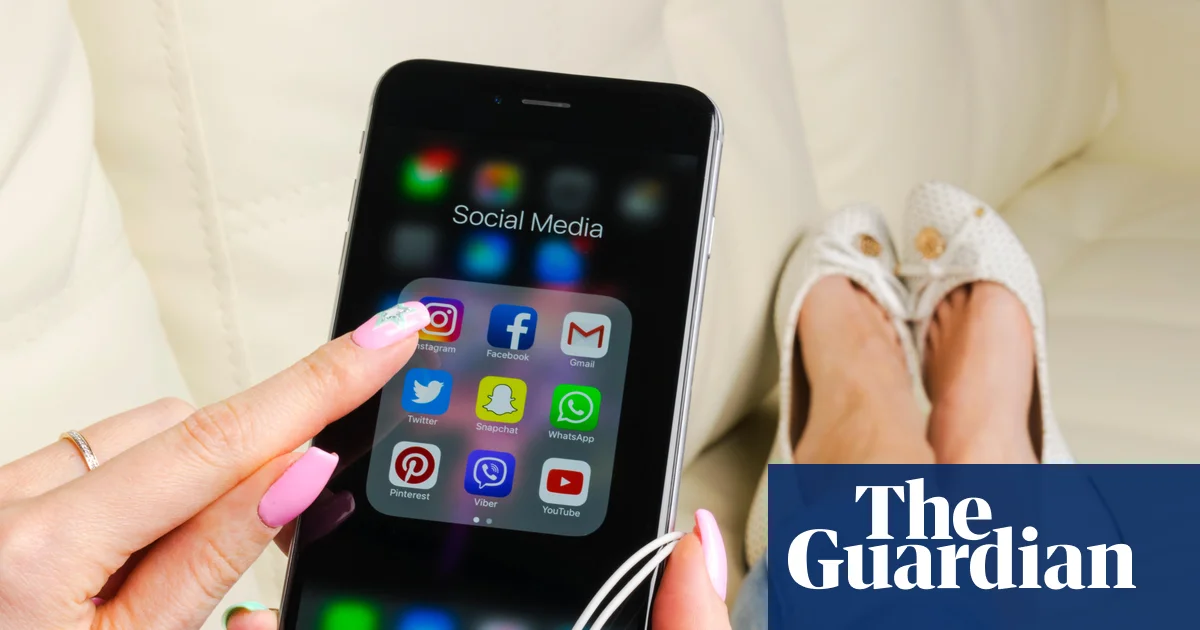
He also discovered content through niche accounts, like @les_briques, which shares brickwork architecture. These finds reflect how targeted, non-competitive content can enrich personal interests and foster real human connections.
His experience illustrates that social media can be a tool for community building—when used with awareness and discipline.
Limitations and Open Questions
The letter does not address broader issues such as algorithmic design, mental health impacts, or social comparison. It focuses only on individual behavior and self-regulation.
It also does not consider how these habits may differ across age groups, cultures, or socioeconomic backgrounds. The rules proposed are personal and may not apply universally.
There is no mention of how platforms respond to such behaviors or whether they offer tools to help users manage usage. The letter remains focused on individual responsibility.
For readers concerned about digital wellness, this letter offers a practical starting point. It urges reflection and action—without blaming technology.
For more on how social media can impact real-world relationships, see Social Media Violence in Australia: The Case of Helen Haines.
Sources & further reading
Featured image: original publisher image. Via original publisher. Image source