Humans were not the first to genetically modify plants. Soil bacteria have altered plant genomes for millions of years before human agriculture began. Source: sciencealert.com.
What Happened: Sweet Potatoes Were Altered by Bacteria Long Before Humans
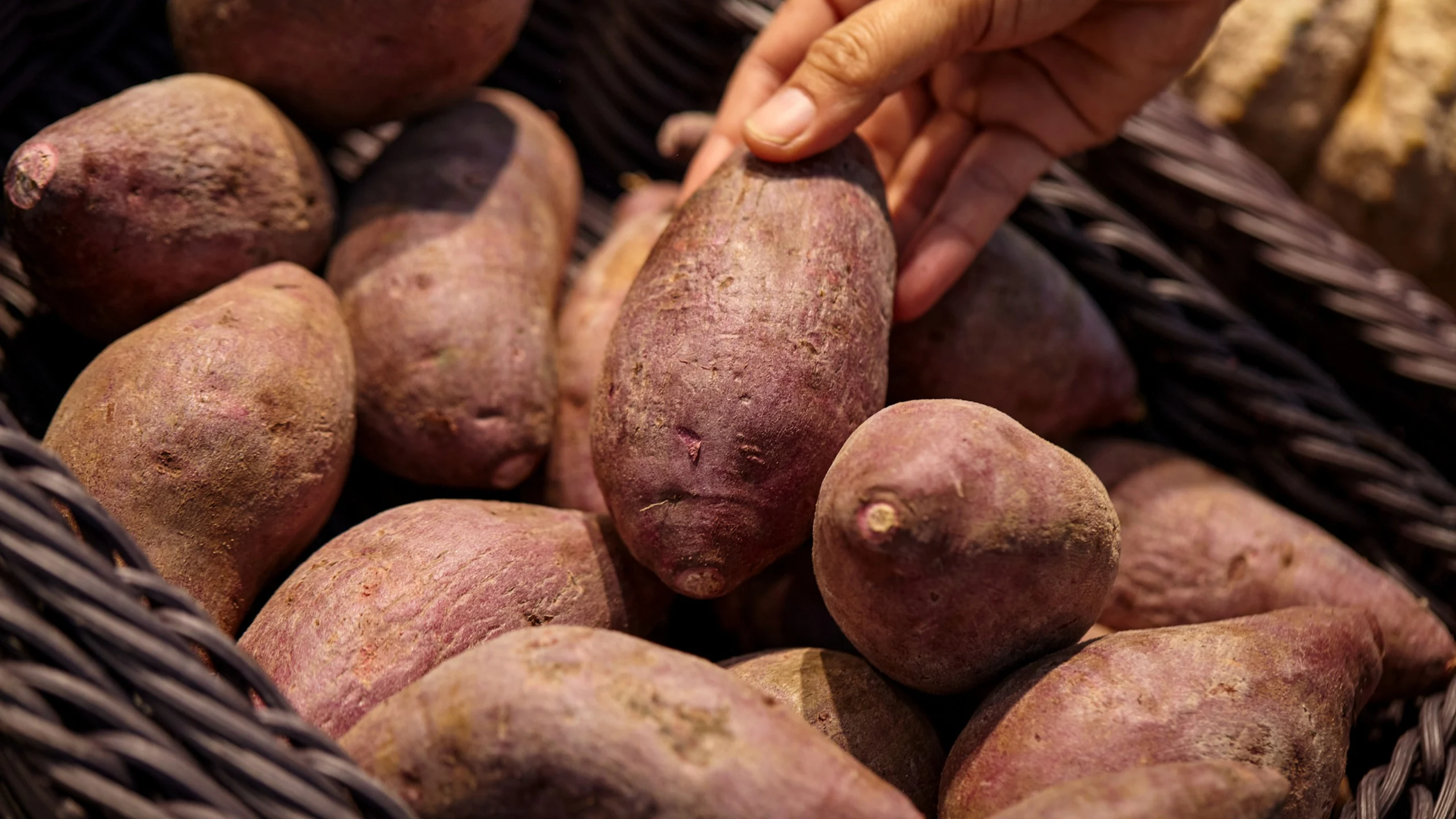
In 2015, scientists found foreign DNA in cultivated sweet potatoes worldwide. This DNA comes from a soil bacterium, not from human intervention.
The foreign DNA is present in every cultivated sweet potato sample. It is missing entirely in wild sweet potato relatives.
This shows the sweet potato evolved through natural microbial interactions — long before humans began farming it.
The Bacterium Behind the Genetic Change
The organism responsible is Agrobacterium. It lives in soil and can transfer DNA into plant cells.
When it infects plant tissue, it delivers a segment called transfer DNA (T-DNA) into the plant’s genome.
Scientists first observed this in the 1970s. They saw it as a remarkable natural process that could be harnessed for plant engineering.
They realized that removing harmful genes from T-DNA could allow scientists to create plants with useful traits — leading to modern GMO crops.
How the Gene Benefits the Plant
Researchers tested this gene in thale cress (Arabidopsis thaliana). The results showed improved stress tolerance and metabolic resilience.
Another 2025 study found two bacterial genes in sweet potatoes that support tissue growth and antioxidant production.
Scientists believe harmful bacterial genes were lost over time. Beneficial genes were kept — a process shaped by natural selection.
Other Foods Carry Bacterial DNA Too
Agrobacterium also altered cranberries (Vaccinium macrocarpon). This shows the phenomenon extends beyond sweet potatoes.
Recent research identified over 2,600 plant species with naturally inserted bacterial DNA.
These genes appear in common foods: pumpkin pie cinnamon, black pepper, and coffee.
Why This Matters
Many people see GMOs as unnatural. But this research shows genetic modification has occurred in nature for millions of years.
Modern GMO crops are not human inventions. They replicate a natural process plants have used to survive.
One researcher said: ‘GMOs aren’t a product of human ingenuity — they result from long-standing plant-microbe interactions.’
It may be time to thank Agrobacterium — not just for helping plants survive, but for shaping the foods we eat today.
Sources & further reading
Featured image: Another Organism Created GMO Sweet Potatoes Long Before Humans. Via original publisher. Image source