OpenAI has introduced dots, a personal AI assistant that runs continuously in the background, even when users aren’t actively interacting with it. The tool is available in the ChatGPT desktop and mobile apps for subscribers on the Pro tier or higher, with plans starting at $100 per month. This marks a significant evolution from earlier AI tools, which required explicit prompts to perform tasks. Dots represents a shift toward persistent, proactive AI—systems that operate like digital companions, constantly monitoring and anticipating user needs. Source: techcrunch.com.
From Coding Tools to Always-On Assistants
OpenAI’s Codex app helped software engineers write code more efficiently by suggesting lines of code based on natural language prompts. While powerful, Codex was designed for specific use cases and required active input from users. The transition from a coding assistant to a personal AI agent was not a simple upgrade—it involved rethinking how users interact with AI, moving from a reactive chat interface to a persistent, context-aware entity.
As OpenAI explored new applications, it realized that users would find value in a more intuitive, persistent assistant—one that doesn’t need constant prompting. Alexander Embiricos, who leads OpenAI’s enterprise product team, described this shift as a form of convergent evolution in AI assistant design. He observed that multiple companies—Meta with Muse, and now OpenAI with dots—are independently arriving at similar solutions, driven by a shared understanding of how people want to interact with AI.
‘It’s an entity and it’s a single conversation,’ he said. ‘It starts to become intuitive.’ This framing is critical. Rather than treating AI as a series of isolated queries, the assistant is designed to maintain a continuous relationship with the user. It remembers past interactions, learns from user behavior, and builds a personal profile over time—much like a human assistant would.
How Dots Works
Dots operates continuously, monitoring a user’s calendar, email, computer tools, and task management systems. Once connected, it proactively identifies tasks, deadlines, and potential conflicts. In early testing, it flagged a calendar conflict just three minutes before it occurred. Embiricos noted this timing was a limitation at launch, but one that reflects the product’s evolving capabilities.
One engineer at a drone delivery startup shared a case where their dot detected a system outage before the engineer noticed it. The assistant analyzed the issue and proposed actionable steps to resolve it—demonstrating the potential of proactive AI. Such real-world examples highlight how dots can move beyond simple reminders and begin to perform diagnostic and problem-solving functions.
Behind the scenes, the assistant uses natural language processing, calendar parsing, and machine learning models to interpret user data. It evaluates patterns in communication, such as recurring meetings or tasks, and builds predictive models about future activities.
Privacy and Data Use
Like other AI assistants, dots requires access to personal data to function effectively. OpenAI has built a feature called proactive research into the assistant. This feature periodically reviews conversations and access points to determine how it can better assist the user. For example, if the assistant learns that a user frequently discusses travel plans with a friend, it may suggest a restaurant or activity that aligns with that interest.
Embiricos confirmed that dots collects data to improve its usefulness, but it shares the same privacy controls as ChatGPT. Users can disable model training—meaning OpenAI won’t use their conversations to improve its AI—and control which tools and resources the assistant accesses. These controls are essential for building user trust, especially in a world where AI systems are increasingly integrated into personal lives.
However, these controls are not granular. The assistant refuses read-only access to cloud drives, which some users find restrictive. This limitation stems from security concerns—OpenAI likely believes that full access to file systems is necessary to perform certain tasks, such as retrieving documents or generating reports. Still, users may want to allow limited access for specific functions, like reading files without modifying them.
Embiricos acknowledged this as a shortcoming and said the team is working to build more detailed privacy settings. He noted that early versions of dots were overly cautious. The assistant would frequently ask for permission before acting. This caused user frustration, but the team expects to refine the behavior over time. The goal is to balance user autonomy with the assistant’s ability to act independently when appropriate.
Can AI Agents Scale in Real-World Use?
While AI assistants are popular in personal settings, scaling them to business environments presents significant challenges. Many users find it intrusive when agents pitch services or suggest actions without clear consent. For example, an AI might suggest booking a meeting with a vendor or recommend a new software tool—actions that require human judgment and approval.
Embiricos personally avoids interacting with AI agents from other companies. He said, ‘I personally never intend to have a meeting with someone else’s agent.’ This reflects a broader concern: as AI agents become more capable, they may begin to operate in domains where human oversight is essential—such as financial decisions, medical advice, or legal matters.
He also highlighted a broader concern: the infrastructure of modern businesses and websites may not be ready for widespread AI agent integration. While OpenAI is working with payment processors, it has not yet granted agents access to financial accounts. Accessing email or cloud storage feels like a significant step. But allowing an AI to manage bank accounts or make purchases remains off-limits for now.
OpenAI’s Approach to Ecosystem Integration
OpenAI emphasizes collaboration with existing systems. When developing new agent capabilities, it works closely with payment processors, cloud services, and other infrastructure providers. For instance, the company is in deep conversations with financial institutions about enabling agents to process payments—potentially allowing users to automate recurring expenses or book travel without manual input.
While such partnerships could unlock new functionality—like automated payments or booking—OpenAI has not yet made these features available to users. The company says it is cautious about expanding access until the ecosystem is ready. This cautious approach is both a strength and a limitation. On one hand, it ensures that AI agents don’t disrupt existing systems or compromise user security. On the other, it may slow down the adoption of AI in everyday workflows.
What to Watch Next
As AI agents mature, key questions remain about data privacy, user control, and real-world scalability. The success of dots will depend on how well it balances usefulness with user trust. OpenAI’s next steps may include deeper integration with enterprise tools, improved proactive features, and more granular privacy controls. The company is also likely to face scrutiny over how it handles personal data and whether its agents operate with sufficient transparency.
For now, dots remains a tool for proactive productivity—helpful but not flawless. Its evolution will mirror broader trends in AI: moving from reactive chatbots to persistent, intelligent companions. As more users adopt such tools, the line between human and machine interaction will blur—raising both exciting possibilities and ethical concerns about autonomy, accountability, and privacy.
Users can explore the full capabilities of dots through the ChatGPT app.
Sources & further reading
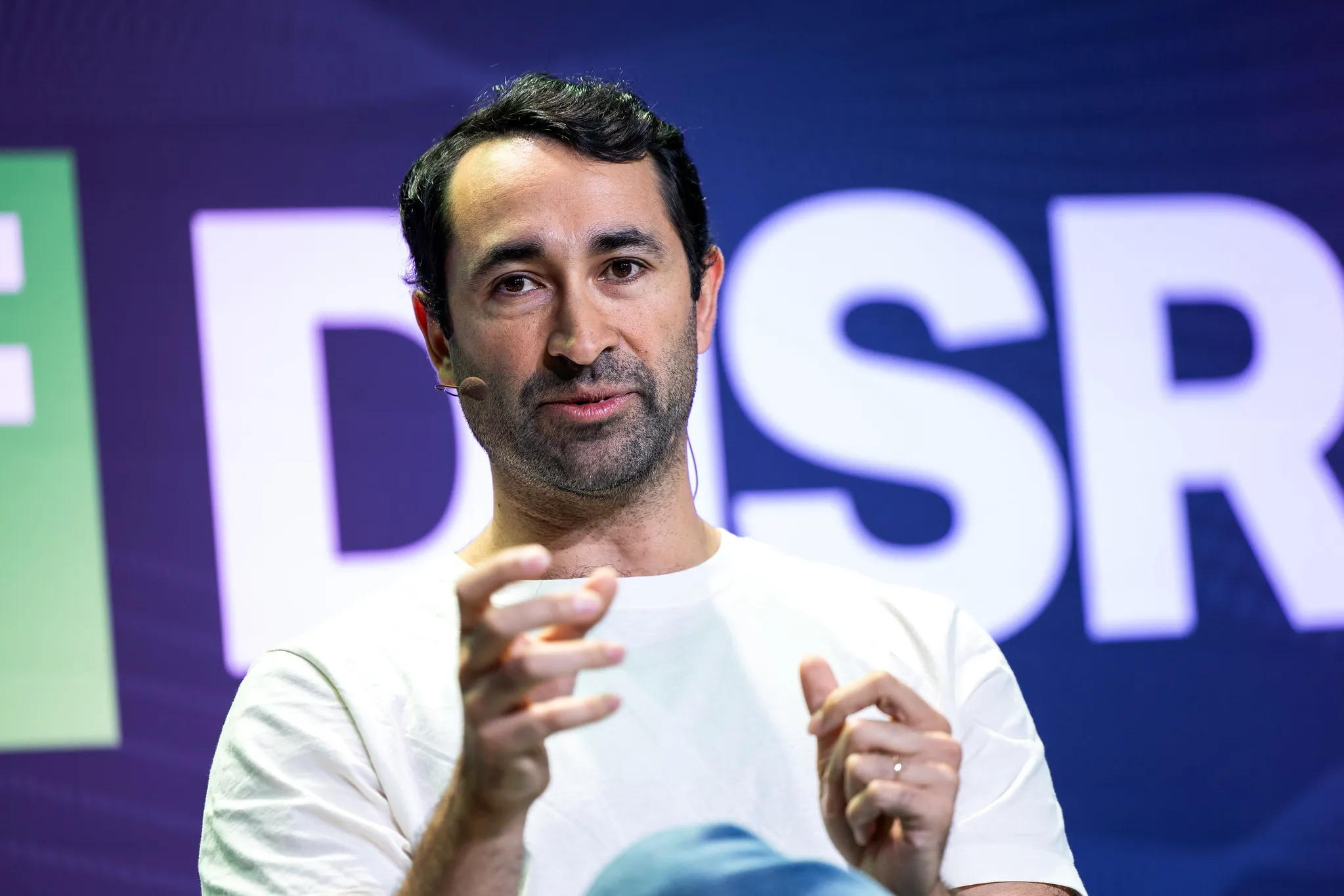
Featured image: OpenAI enterprise product lead Alexander Embiricos talks about dots, the company's AI personal assistant, at TechCrunch Disrupt 2026.. Via original publisher. Image source