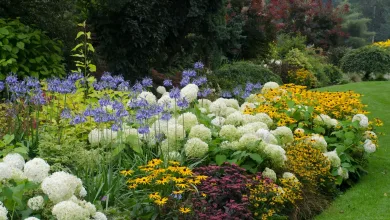
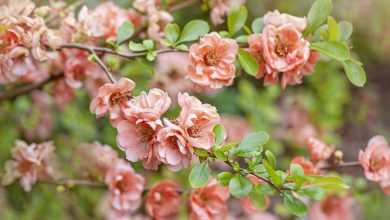
November often feels like the end of the gardening season. Leaves have fallen. Plants have died back. The soil is cool. Yet, there’s still a chance to plant flowers that will bloom early next spring. Source: gardeningknowhow.com.
Why Plant Flowers in November?
Many flowering plants need a winter chill to germinate properly. This process, called cold stratification, mimics nature’s cycle.
Wildflowers naturally drop seeds in autumn. These seeds fall to the ground and settle into the soil, where they experience the cold, moist conditions of winter. Over time, the freeze-thaw cycles break down the tough outer layer of the seed, preparing the embryo for growth.
When gardeners sow these seeds in November, they are essentially replicating this natural process. The seeds are placed directly into the soil during a period of consistent cold, allowing them to undergo the same physiological changes that occur in the wild. As a result, the embryo begins to awaken before spring arrives.
According to horticultural research, seeds exposed to consistent cold and moisture over several weeks undergo internal biochemical shifts. These changes activate enzymes that break down the seed coat, making it easier for the embryo to emerge when temperatures rise and moisture becomes available in spring.
Which Flowers Can Be Sown in November?
These seven flowers are known for their hardiness and early blooming potential, making them ideal candidates for November sowing.
- Marigolds – Bright, cheerful, and easy to grow. They attract pollinators and repel pests. Marigolds are particularly effective at deterring nematodes and aphids, making them ideal for companion planting.
- Poppy seeds – Include species like the common poppy. They bloom in spring with bold, colorful petals. Poppy seeds are especially well-suited to open, sunny areas and thrive in well-drained soil.
- Shrubby verbena – A perennial that returns each year. It produces long spikes of flowers. It is drought-tolerant and performs best in full sun with good air circulation.
- Black-eyed Susan – A native prairie wildflower. It thrives in dry soils and full sun. It is resilient to heat and poor soil, making it a great choice for xeriscaping.
- Joe-Pye weed – A tall, flowering plant that attracts bees and butterflies. It grows best in moist, well-drained soil. Its large, feathery foliage and showy blooms make it a standout in late spring to early summer.
- Goldenrod – A native plant that blooms late in summer. Sowing in November gives it a head start. Though it blooms later in the season, early root development ensures stronger growth and more robust flowering.
- California poppy – A bright, short-lived flower. It blooms early and is a favorite in cottage gardens. It is one of the first flowers to appear in spring, often emerging as early as March in mild climates.
How to Prepare for Planting in November
Before sowing, it’s important to assess your local climate and USDA hardiness zone. This helps ensure that the plants you choose will survive the winter and thrive in your specific environment.
Choose a sunny location. Most of these flowers require at least six hours of direct sunlight each day. South-facing spots or open, unshaded areas provide the ideal light exposure.
Mix in compost or organic matter to improve soil structure and fertility. Avoid heavy clay soils that may compact and restrict root development.
Use a seed spreader or scatter the seeds by hand. Do not cover them deeply—only a light dusting of soil is needed. Keep the area consistently moist but not waterlogged. A thin layer of mulch can help retain moisture without suffocating the seeds.
Monitor the weather closely. If a hard freeze is expected, delay planting. Cold snaps can damage young seedlings. In regions with frequent frosts, consider planting in a sheltered area or using a cold frame to protect the seeds.
What to Expect in Spring
By spring, these flowers will have developed strong root systems. They will emerge taller, more resilient, and better equipped to handle drought and temperature fluctuations.
They will bloom earlier than plants sown in spring. Some may begin flowering as early as March or April. This early display not only enhances garden aesthetics but also provides vital food sources for bees, butterflies, and other beneficial insects during the early spring months when natural nectar sources are scarce.
These early blooms contribute to a more diverse and vibrant ecosystem. They support pollinator populations and help establish a healthy, balanced garden environment from the very beginning of the growing season.
Limitations and Considerations
Not all flowers benefit from winter sowing. Some seeds require warmth or light to germinate. For instance, petunia and certain marigold varieties may fail to germinate under cold, dark conditions.
Climate variation plays a role.
Soil quality and moisture are critical. Poor drainage or compacted soil can hinder root development. Always verify the specific needs of each plant. Some may require thinning or staking as they grow.
For a full guide on planting and seasonal care, see our Complete Gardening Guide.
For more ideas on spring-flowering shrubs, explore our article on 7 Compact Flowering Shrubs for Spring Blooms.
Learn more about different types of flowers at gardeningknowhow.com.
Use the USDA planting zone map to find your zone at gardeningknowhow.com.
Planting in November is a smart move. It gives your garden a head start. It honors nature’s rhythm. And it makes your spring garden brighter, stronger, and more vibrant.
Sources & further reading
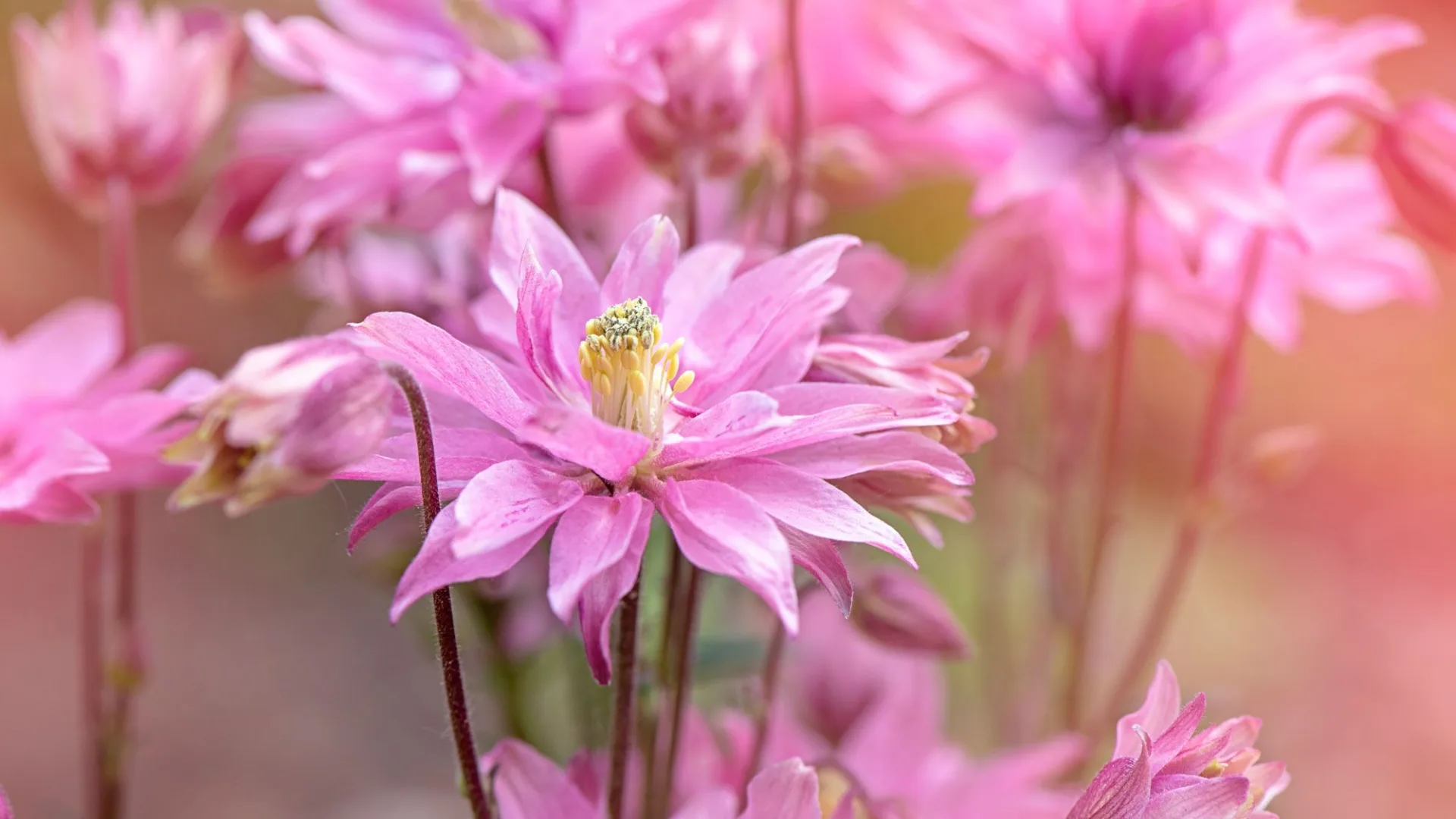
Featured image: pale pink aquilegia flowers in close focus. Via original publisher. Image source