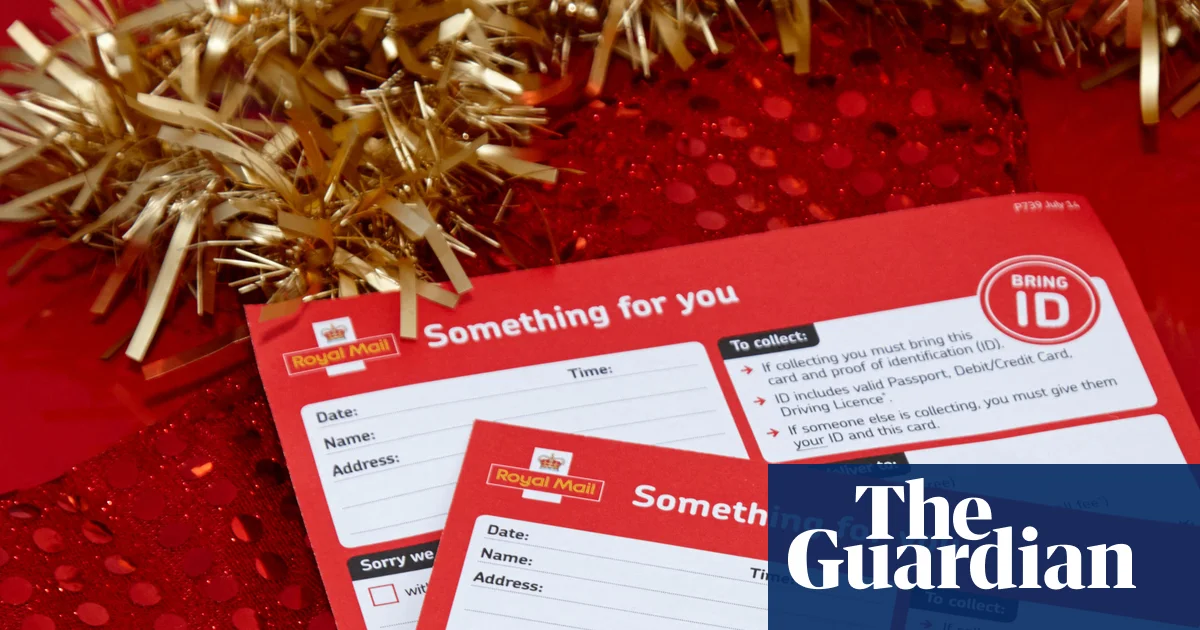
Christmas is approaching, and online shopping is at its peak. With many deliveries expected, people are finding a red card on their doormat — a Royal Mail ‘Something for you’ card.
What the Real Card Looks Like
Real Royal Mail cards are left when a delivery is attempted. They include a QR code and a nine-digit reference number. These cards are part of a service designed to help customers track deliveries that have been missed or require a fee for redelivery.
When a user scans the QR code, they are directed to the official Royal Mail website. On the screen, the nine-digit reference number appears immediately, allowing the recipient to verify the delivery details and locate the item in question. This feature is built into the legitimate service to improve transparency and customer trust.
The card is designed to be trusted. It is physical, which makes it seem more legitimate than a text or email. This physical presence plays a key role in how users perceive authenticity, especially in a time when digital communication is common and often viewed with skepticism.
How Scammers Are Copying It
Criminals are producing fake cards that look almost identical to the real ones. These counterfeit cards are distributed through letterboxes, often in the days leading up to the holiday season when delivery volumes surge.
These fake cards have a QR code that leads to a cloned website. The site mimics the Royal Mail site but asks for bank details to pay a small fee — often £3 — for a customs charge or redelivery. The fee is typically low, which makes it seem plausible and less suspicious to the average user.
Once users enter their bank details, they are vulnerable to further fraud. The fake site does not ask for payment to rearrange a delivery, which is a key red flag. The real Royal Mail will never request payment to reschedule a delivery, and any such request is a sign of a scam.
What Experts Say
Jake Moore, a cybersecurity adviser at ESET, says people trust physical cards more than digital messages. ‘It just feels more trustworthy than scam texts and emails because it’s physical,’ he says.
He notes that the timing is perfect. As people expect more deliveries, they may let their guard down, especially if they are already in a state of anticipation or stress over holiday shopping.
How the Scam Works
- Scammers drop fake cards through letterboxes, often in high-traffic areas or near homes with known delivery patterns.
- Users scan the QR code and are taken to a fake Royal Mail site that closely resembles the official one.
- The site asks for bank details to pay a fee — often for a customs charge or redelivery.
- Users may not notice the site is not genuine until after they have entered their details.
After entering details, users may see transactions on their bank statements from retailers they have never bought from. These unauthorized charges are often small, making them easy to overlook initially.
What Royal Mail Says
Royal Mail has issued a public warning. While the appearance of the cards may vary, the intent behind some fake cards is to obtain financial information from users.
Legitimate fee payments are marked with a grey ‘Fee to pay’ card — not the red ‘Something for you’ card. This distinction is critical, as the real service will only issue a grey card when a fee is due, and never ask for payment to reschedule a delivery.
Royal Mail advises users to remain vigilant. It will never ask for payment to rearrange a missed delivery. If users are unsure, they should verify the card details directly through the official Royal Mail website or app using the reference number.
What You Should Do
- If you find a red card, check if it has a nine-digit reference number.
- Go directly to the official Royal Mail website or app to verify the delivery using the reference number.
- If you are unsure, contact Royal Mail via email to confirm the request.
- If you have shared financial details, contact your bank immediately.
- Change your passwords and report the incident to Report Fraud, the national fraud investigation body.
Scammers rely on trust. The physical card makes it seem real. But it is a deliberate deception. People may not notice the difference until after they have entered their details.
It is important to verify any delivery request through official channels. A simple step — checking the reference number on the official site — can prevent financial loss and protect personal data.
For more on scams, visit The Guardian’s full report.
Sources & further reading
Featured image: original publisher image. Via original publisher. Image source