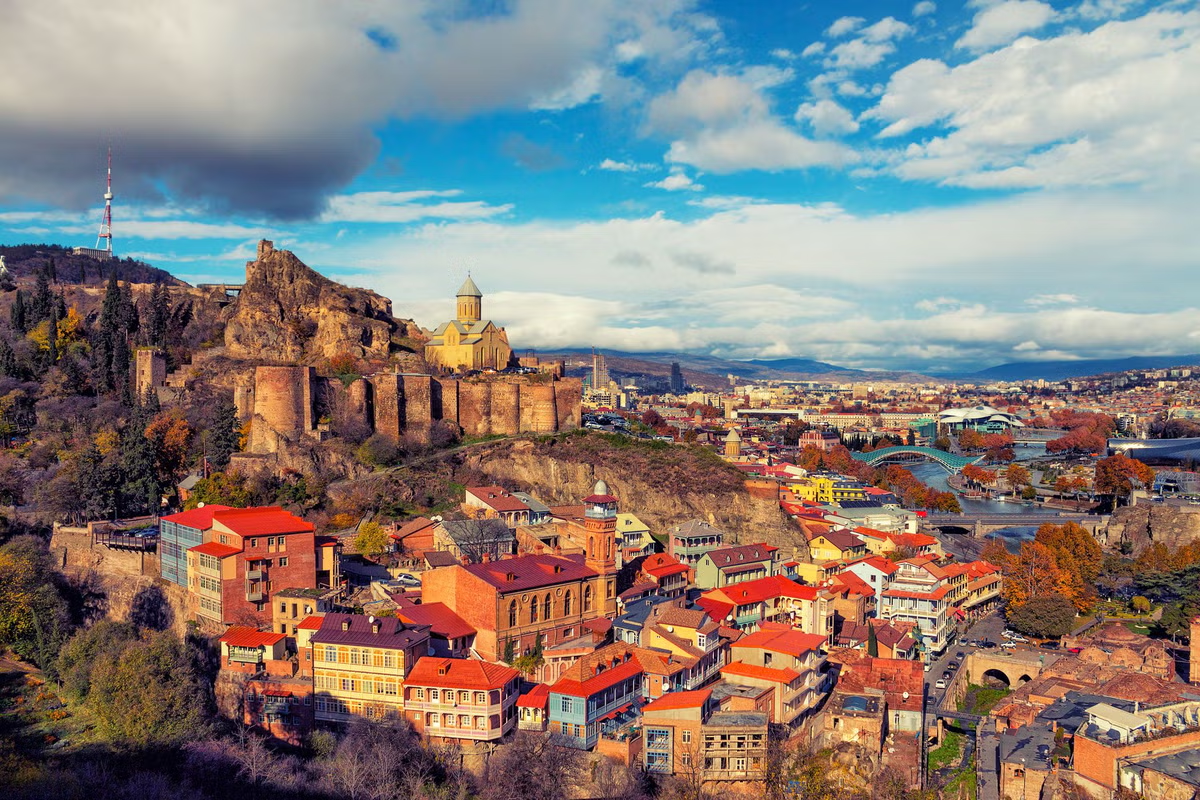
Georgia’s capital, Tbilisi, offers a vibrant, affordable, and deeply welcoming experience for travelers seeking authentic cultural and culinary encounters. From the moment of arrival, visitors are greeted with warmth and generosity. A taxi driver in Tbilisi stopped midway to buy a coffee for a traveler, saying, “It’s early. We deserve this.”
Welcoming Culture in a Small Capital
This gesture reflects a broader cultural trait: the Georgian people’s deep-rooted hospitality. The article describes this as “hyperbolic,” suggesting it is a defining feature of daily life in the country. This is not merely a polite custom—it is embedded in social rituals, public behavior, and everyday interactions. Whether it’s a stranger offering a seat on a bus or a local sharing a homemade dish at a market, the gesture of generosity is consistent and unforced. It is not performative, but rather a reflection of a national ethos rooted in community and mutual care.
Georgians have long emphasized the value of personal relationships and shared experiences. This is evident in how people greet one another, how they treat strangers, and how they celebrate both private and public moments. The act of offering a coffee or a bottle of water is not just about refreshment—it is a symbolic gesture of inclusion, signaling that the visitor is not an outsider, but a part of the community.
History and National Identity
Georgia’s history is marked by repeated conflict and resilience. Ancient monasteries are surrounded by fortresses, a physical reminder of centuries of warfare. These fortifications were not built solely for defense—they also served as cultural and spiritual centers, preserving Georgian identity through periods of foreign domination.
During Soviet rule, Georgia resisted cultural homogenization. The state sought to erase regional identities and impose a uniform, centralized culture. However, Georgian society maintained a strong sense of self through underground art, literature, and private traditions. This resistance is visible in public art and protest movements. In Tbilisi, patriotic graffiti spray-paints the Georgian flag alongside the European Union flag—both on walls and in public spaces.
These acts are not just artistic expressions. They signal a public demand for European integration and a desire to assert national identity in the face of external influence. The presence of the EU flag, in particular, reflects a broader political aspiration: to align with Western democratic values and institutions. This is not a recent development.
Art and Architecture in the Heart of the City
Art is woven into the fabric of Tbilisi. Street art appears on old houses with courtyards where laundry flaps in the wind. These murals often depict historical figures, national heroes, or poetic themes, serving as visual narratives of Georgian identity. Sculptures and stone murals honor poets, legends, and historical victories, such as the 19th-century resistance against Russian expansion.
Major cultural institutions line Rustaveli Avenue, including the Georgian National Gallery, the Museum of Fine Arts, and the Zurab Tsereteli Museum of Modern Art. These institutions are not only repositories of art but also active spaces for public engagement. Exhibitions often include interactive elements, allowing visitors to participate in discussions about Georgian history, politics, and aesthetics.
Salobie Bia, a collection of Georgian antiquities and Soviet-era art, is housed in the cellar of the Shota Rustaveli National Theatre. Visitors pass through dusty iron grates and enter a cafe that serves simple, locally cherished meals. Salobie means “beans,” a staple in traditional Georgian cooking. The name reflects the importance of humble, everyday ingredients in Georgian cuisine—a principle that extends to the broader cultural value of simplicity and authenticity.
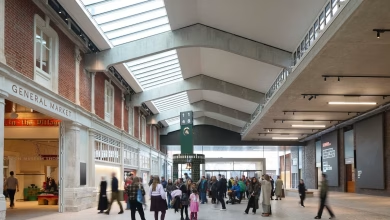
The theatre’s area is undergoing major construction, which will modernize public infrastructure and improve transportation. This development is significant not only for practical access but also for the city’s long-term cultural sustainability. As urban spaces evolve, the preservation of historical architecture and public art remains a priority.
Cultural Spaces and Nightlife
On the opposite side of the river, a repurposed Soviet-era sewing factory now hosts Fabrika—a cultural hub with vintage markets, wine fairs, and an open-air courtyard bar. This transformation exemplifies Georgia’s broader trend of reusing industrial spaces for creative and social purposes. Such projects not only preserve historical buildings but also foster community engagement and economic activity.
Left Bank is another multi-purpose venue that hosts club nights and live music. Tbilisi’s music culture is diverse and dynamic. The city has a strong tradition of folk music, which blends ancient melodies with modern instrumentation. This tradition is preserved through local festivals and community performances.
For jazz lovers, options include One-Eyed Beagle, a studio and bar where local musicians gather and perform, and several clubs along Giorgi Akhvlediani Street. The Tatuza Jazz Club on Rustaveli Avenue offers a more refined experience with table service and luxurious seating.
Local Cuisine and Wine Culture
Georgian food is deeply rooted in tradition. In an underground restaurant in the Old Town, a traveler orders khinkali—soup dumplings—along with a tomato and cucumber salad, served with a walnut paste similar to pesto, and khachapuri, a cheese-covered bread akin to Turkish pide.
These dishes are not just meals—they are cultural touchstones. The experience of eating them is described as a way to begin a stay in Tbilisi. Khinkali, for example, is traditionally served during festivals and family gatherings, symbolizing warmth and togetherness. The preparation of khachapuri often involves a communal process, with families passing down recipes and techniques across generations.
Georgian wine is central to the country’s identity. The ancient methods of winemaking—such as the use of natural fermentation and clay vessels—have inspired natural wine movements in France, Germany, Austria, and Spain. These winemakers have studied Georgian techniques to create wines with no additives, fermented on their own, resulting in unique flavor profiles and minimal intervention.
Bars like Vino Underground, founded in 2012, offer both global and traditional Georgian wines. This space introduces visitors to natural wines—fermented without additives—making Tbilisi a key destination for this style. The city’s wine culture is not only about taste but also about tradition and sustainability.
Toast Culture and Social Rituals
The most important word in Tbilisi is gaumarjos, meaning “cheers.” It comes from the Georgian word for victory, which also gives rise to the greeting gaumarjoba—”hello.”
During gatherings, toasts are common. In formal settings, there are established sequences. In informal ones, people create their own. Key toasts include those to mothers and women in one’s life—recognized as especially important in Georgian culture. Visitors are encouraged to toast to pets, winemakers, or even the earth itself.
One traveler enjoyed a solo Corpse Reviver at a jazz bar and silently toasted: “To Georgia, Sakartvelo. I will return.” This moment captures the emotional depth of Georgian social rituals—drinking is not just about consumption, but about connection, memory, and belonging.
Practical Travel Information
British Airways offers direct flights from London Heathrow to Tbilisi, with a flight time of about five hours and return prices starting at £250.
The Telegraph Hotel, located on Rustaveli Avenue, is ideal for a city break. It features luxury rooms with Diptique toiletries, a wine library, and multiple dining options—including a rooftop bar with excellent martinis.
King rooms start at £160 per night for two people. Guests are encouraged to request a tour of the building’s architecture. The hotel’s design blends Soviet-era aesthetics with modern comfort, offering a unique glimpse into the city’s architectural evolution.
Why Tbilisi Stands Out
While many European capitals are expensive and crowded, Tbilisi offers a vibrant, affordable, and deeply rooted experience. It blends ancient traditions with modern culture. The city’s wine scene, especially natural wines, is both authentic and influential. The social rituals—like toasting—create meaningful connections between visitors and locals.
For travelers seeking cultural depth without high costs, Tbilisi is a compelling alternative to more well-known European destinations. Its combination of historical depth, artistic expression, and culinary authenticity makes it a standout destination in the broader European travel landscape.
Author’s note: This article is based on a travel piece by Katie Mather, a guest of Silk Hospitality, which owns The Telegraph Hotel and the Tsinandali Estate in Khaketi.
- British Airways offers direct flights from London Heathrow to Tbilisi.
- The Telegraph Hotel is located on Rustaveli Avenue and offers a wine library and rooftop bar.
- Georgian toasts, such as gaumarjos, are central to social gatherings.
- Traditional dishes like khinkali and khachapuri are key to the local culinary experience.
- Georgian natural wines have influenced winemaking trends in Western Europe.
For more on Georgia’s wine culture, see the original article.
Sources & further reading
Featured image: original publisher image. Via original publisher. Image source