A simple selfie can become a weapon in some cultures. In Pakistan, images that appear harmless to algorithms can trigger violence against women. Source: theguardian.com.
What Happened: A Photo That Changed Lives
Maniza*, a teenager from a conservative town in Pakistan, took a selfie in jeans and a vest top. She wears a hijab, as is common in her community.
Her father had long opposed her staying in school. He once told her, ‘If I find you in trouble, I will kill you.’ The threat was not empty — it was a real fear.
She told a friend’s brother she had long hair. He asked for a photo, promising to delete it. He later became pushy, threatening to send it to her family.
He created a fake account using her image, showing it as ‘love of my life’. When Maniza reported it, the platform said it didn’t break any rules.
Her mother learned of the photo and feared her father would kill her and her family. As a result, she left school. She is now expected to marry soon. Every day, she lives in fear.
Why This Is Harmful: Beyond Nudity
Many online abuse cases involve nudity. But in Pakistan, harm often comes from images that are not sexually explicit.
For example, 15-year-old Zarghuna from Balochistan was photographed wading in a lake during a school picnic. The image showed her wet clothes clinging to her body.
She said, ‘Even if you’re wearing a burqa, if it outlines your body, people will say you are making an exhibition.’
Other cases involve classroom photos. A WhatsApp message later came with a demand: ‘I have your image. I can make it public.’
These images are not nude. Yet they carry serious risks — financial pressure, unwanted relationships, or threats of violence.
Experts note that in conservative societies, a woman’s presence or appearance online is often seen as improper. A casual photo — like a girl walking in a field or at a school event — can be interpreted as a breach of family honour.
Such images are not always explicit. A classroom photo or a family event selfie can be weaponised. The danger lies not in the image itself, but in how it is used — especially by family members or men in authority.
Gender and Power Online
Online gender dynamics in Pakistan are skewed. Two-thirds of Instagram users are male. Of TikTok’s 100 million users, over 70% are male.
These imbalances mean men often have greater access to content and influence over how women are portrayed. This power allows them to control what is shared and how it is interpreted.
Two recent cases show the danger: 14-year-old Hira Anwar was lured from the US and killed by her father over TikTok videos. Another teen, Sana Yousaf, was murdered by a man who became obsessed with her online account.
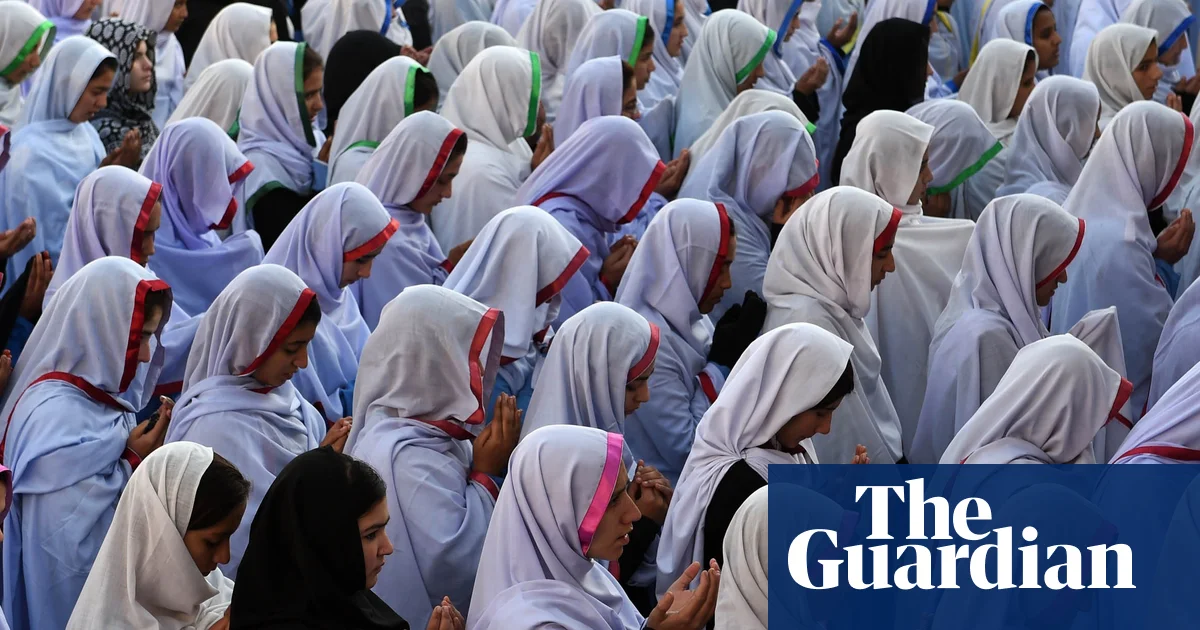
These cases show how digital content can be used to exert control — not just in personal relationships, but in broader family and social power structures. The videos were not explicit, yet they triggered extreme violence.
What Experts Say: A Cultural Gap
Hera Hussain, CEO of Chayn, says platforms often define harm using Western standards.
‘There’s a gap in what platforms define as harmful and what women experience as harmful,’ she says.
She points to cases where a photo is not explicit but still causes shame or violence. For instance, a school group photo may be flagged as harmless by an algorithm, yet in a conservative family, it can be used to accuse a girl of impropriety.
‘It’s like someone throwing a bomb and focusing on what type of bomb it is instead of the damage it can do,’ she says.
Nighat Dad, founder of Pakistan’s Digital Rights Foundation (DRF), says platform policies often ignore cultural context.
‘We repeatedly see cases where something may not fit a platform’s narrow definition of intimate content, but in the survivor’s context it is clearly being used to sexualise, shame or endanger her,’ she says.
The DRF receives about 250 complaints a month. In one case, it removed an AI-generated video of a teacher kissing a man from Instagram. While the video was not real, its creation and sharing raised alarms about how AI-generated content can be used to manipulate or misrepresent reality, especially in environments where trust in digital content is already fragile.
What’s Being Proposed
Chayn is calling for tech companies to:
- Include cultural context in content moderation.
- Develop consent-based reporting pathways.
- Recognise that harm can exist without nudity.
These changes would help platforms better understand how women in conservative societies experience online risks.
For example, instead of relying only on visual cues like nudity, platforms could use cultural indicators — such as setting, context, and community norms — to assess whether a photo might harm a woman’s safety.
One proposal is to allow users to report content not just for being explicit, but for being used in ways that could lead to harassment, coercion, or violence. This would shift focus from content classification to user safety and cultural sensitivity.
Meta has not responded to requests for comment.
These cases show that what looks harmless to an algorithm can be deadly in real life. The issue is not about content — it’s about power, consent, and cultural understanding.
For more on how digital content can be proven and trusted, see Digital Provenance: How We’ll Prove What’s Real Online.
Women in Pakistan face real threats when images of themselves go online — even if they are not explicit. The digital world must adapt to local realities, not just global standards.
Sources & further reading
Featured image: original publisher image. Via original publisher. Image source