When people show you who they are, believe them the first time,” says Maya Angelou. This simple truth shaped a pivotal moment in Gabriela Holt’s life — and one that later became a cornerstone of her healing journey.
Early Signs of a Toxic Connection
In June 2011, Gabriela received a Facebook friend request from a man she knew from college. He was charming, vain, and known for being in relationships with many people.
He had just been hired to teach at the same school where Gabriela was starting her fifth year as a counselor. He framed the request as a professional connection, and she accepted.
When school began, he made it a point to show up at her office constantly, even though his classroom was nowhere near hers. Weeks passed with him asking her out, and she agreed to one drink, telling herself it would be just a casual meeting.
Before she could speak, he interrupted: ‘I know what you’re going to tell me. You have herpes.’
She was stunned. She had shared her diagnosis with a few college friends, and given their overlapping social circles, she assumed the information had reached him. He never explained how he knew. But she felt a strange relief — he accepted her truth without asking her to reveal it.
The Relationship That Unraveled
They moved quickly. By October, he had left much of his life at her place. There was no formal agreement, but it felt like he had moved in.
From the start, Gabriela was clear about her boundaries. She expected honesty and transparency. If he wanted something different, she said, she would need to know.
By fall, he began a master’s program — a sign of growth, at least in appearance. But something happened that made the uneasiness she had been feeling impossible to ignore.
During a sexual encounter, he suddenly choked her. They had never discussed such acts. When she asked why, he said he thought she’d like it. Something in her body told her this answer was incomplete.
He also began skipping nights, with no calls or texts. The next day, he claimed he was studying with classmates. Gabriela couldn’t prove he was cheating, but she grew convinced he was.
One night, while arguing about his behavior, he said: ‘I’m going to take a walk before I do something I regret.’
Her body registered the warning before her mind did. He left. Came back. Nothing happened. She thought it was healthy — a moment of self-control.
The Final Break
By January, Gabriela told him to leave. He denied cheating and offered no apology. But she trusted what his actions revealed.
She called two of his friends — including one who was also her friend — to help persuade him. Eventually, he agreed to leave. She placed his belongings outside his door.
She thought that was the end. But he kept showing up. If she didn’t respond, he’d appear at her door. She mistook his persistence for love — not understanding that someone can want access without knowing how to love.
The Second Chance and the Assault
She offered him one final chance. They went to a jazz festival — a place she genuinely loved. For a few hours, it felt like the world had returned to normal.
On the drive home, she saw him text another woman, arranging a meeting. She told him she was done.
When they arrived at her apartment, she asked for her key fob. He refused. She tapped his car bumper with her shoe and demanded it again.
He hit her — a closed fist to the face. Hard enough that she fell to the ground. She ran to her apartment and he followed.
He pushed inside and immediately wanted to call his father. When told what happened, his father said: ‘You are a monster.’
Later, Gabriela remembered that line — and understood it now. The warning had been there all along.
Healing and the Birth of a ‘Bulletproof Soul’
She made him leave. Called 911. A friend took her to the emergency room, where she reported the assault.
Months of court delays followed. Legal proceedings stalled, and he violated a restraining order. But Gabriela did not stop.
She later described her journey as building a ‘bulletproof soul’ — not one that ignores pain, but one that honors the scars and chooses to keep moving forward.
‘It’s not about pretending what happened didn’t hurt,’ she wrote. ‘It’s about honoring the woman I became because I chose to heal, rebuild, and keep choosing myself.’
Her story is not about a perfect recovery. It is about recognizing warning signs, standing firm in truth, and choosing self-respect over fear.
For many, this story offers a mirror — not to judge, but to see.
It is a reminder that emotional abuse often begins with small, subtle signs. And that healing is not a single event — it is a daily choice.
Read more about personal recovery and emotional resilience at The Tattoo That Marks 13 Years of Healing After Abuse.
For more on mental health and emotional healing, explore our Life Lessons & Reflection section.
Discover how to recognize warning signs of emotional abuse in relationships through our Mental Health & Emotions resources.
Sources & further reading
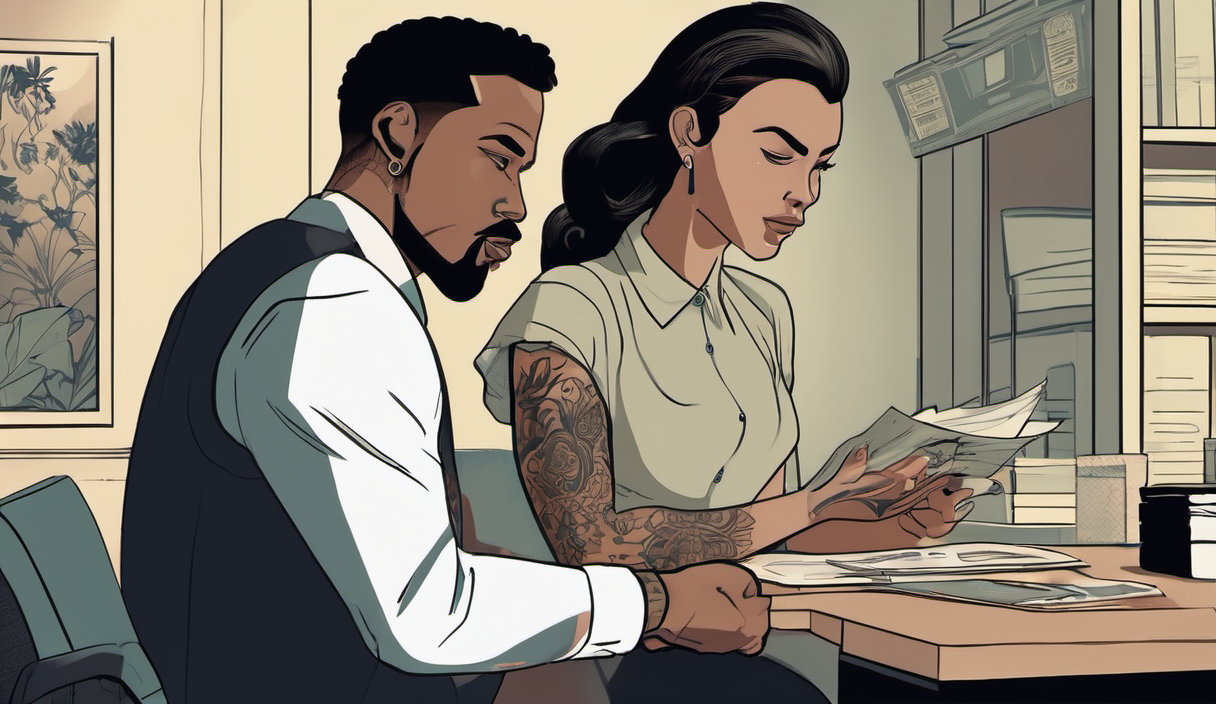
AI-generated illustration.