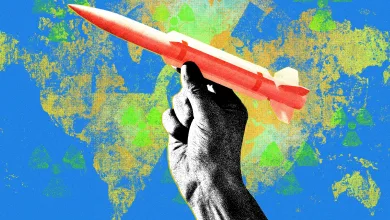
What Happened at the UN Talks
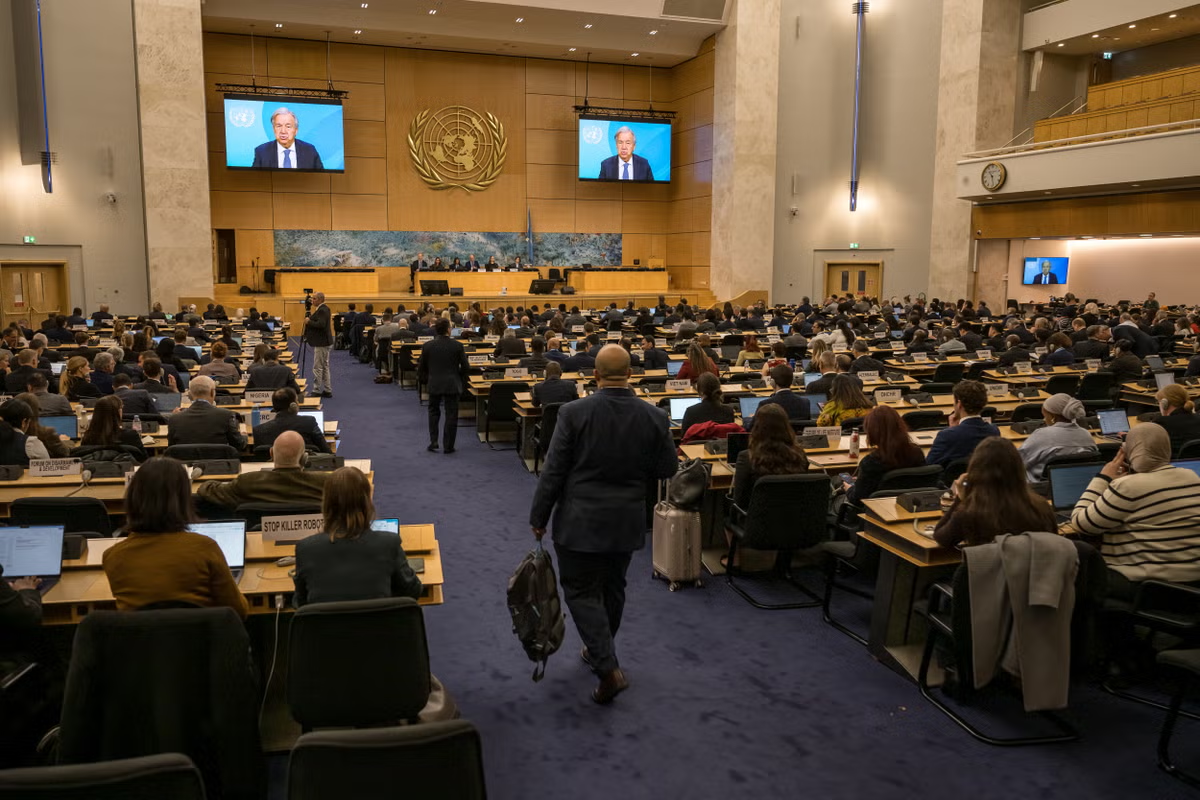
Delegates from around 100 countries met to discuss rules for autonomous weapons systems—often referred to as ‘killer robots’—that can identify and engage targets with little or no human involvement.
The outcome was a compromise. While a commitment to further talks was made, the final agreement did not include legally binding rules. This outcome fell short of expectations from human rights groups.
Key participants included representatives from nations with significant military capabilities. The United States, Russia, and Israel all opposed immediate, legally binding restrictions.
Key Facts from the Meeting
- Approximately 100 states supported the idea of future rules for autonomous weapons.
- Major arms-producing nations, including the US, Russia, and Israel, opposed legally binding regulations.
- The agreement commits to further talks to develop new rules by 2028.
- There is no assurance that the resulting measures will be legally binding.
The discussion centered on weapons systems that can make decisions about targeting without direct human control. These systems may operate in real time, using sensors and AI to detect and engage threats.
Background: How Autonomous Weapons Work
Autonomous weapons use artificial intelligence to detect, classify, and engage targets. They can operate independently of human operators, especially in complex or dynamic environments.
Such systems may be used in military operations where speed and precision are critical. However, critics argue that removing human oversight increases the risk of unintended or unethical actions.
Examples include drones that can detect movement and launch attacks without human input. Some systems can even assess targets and decide whether to fire, based on pre-programmed criteria.
Why This Matters
The issue is not just technical—it is ethical and legal. Without human oversight, decisions about killing could be made without accountability.
Human rights organizations have long warned that autonomous weapons could lead to disproportionate or unjust use of force. They argue that such systems lack the moral judgment required to distinguish between combatants and civilians.
For instance, a drone might misidentify a civilian as a threat and respond with force. There is no human in the loop to intervene or correct such errors.
Limitations and Open Questions
The current agreement does not resolve key uncertainties. It does not define what level of autonomy triggers regulation.
It also does not specify how compliance will be monitored or enforced. Without clear legal standards, enforcement remains unstructured.
Moreover, the absence of binding rules means that states can develop and deploy such weapons without international oversight.
Some experts say the lack of a binding framework undermines global efforts to prevent escalation and reduce the risk of conflict.
What to Watch Next
The next phase will likely involve drafting a formal set of guidelines or regulations.
Human rights groups will monitor the process closely. They may push for stronger language or broader participation in future talks.
Meanwhile, public and academic debate will continue. The issue remains central to discussions about the future of warfare and AI in military applications.
For more on global arms regulation, see our coverage of UN talks on killer robots.
Sources & further reading
Featured image: original publisher image. Via original publisher. Image source