Tom Barnes, a Cumbrian-born chef, shares his most memorable dining experiences around the world in a feature titled Where the Chefs Eat. The article highlights his journey from working at renowned establishments to opening his own Michelin-starred restaurant, Skof, in Manchester. Source: cntraveller.com.
From Cumbria to Manchester: A Chef’s Journey
Barnes began his career at L’Enclume in Cumbria, where he worked under Simon Rogan. There, he gained extensive experience in fine dining and developed a deep appreciation for precision and quality in food. His time at L’Enclume was formative—exposure to a kitchen that prioritized technique, ingredient sourcing, and seasonal menus helped shape his understanding of what fine dining could be. The restaurant, known for its minimalist yet deeply thoughtful approach, instilled in Barnes a respect for the craft of cooking and the importance of balance between flavor, texture, and presentation.
He later trained at the Roux Scholarship, winning in 2014 at age 25. This achievement marked a pivotal moment in his career, offering him access to a network of elite chefs and a foundation in culinary excellence. The Roux Scholarship is one of the most prestigious programs in the culinary world, designed to nurture young talent through rigorous training and mentorship. Winning it was not just a personal triumph—it signaled recognition from a community of industry leaders. As Barnes recalls, ‘The [Roux family] achieved literally everything there is to achieve. So that was the biggest thing for me, the support network of the family. And I was so proud to win that competition. It’s probably still maybe the biggest highlight for me.’ This experience gave him not only technical skills but also a sense of belonging to a broader culinary tradition that values innovation, discipline, and mutual support.
After years of working in high-pressure environments, including stints in London and Copenhagen, Barnes opened Skof in Manchester in 2024. The restaurant quickly gained attention, earning a Michelin star within a year of opening. The decision to open in Manchester was not arbitrary. Having grown up in the North of England and developed a deep connection to its food culture, Barnes saw an opportunity to celebrate local talent and elevate the city’s profile in the national food scene. ‘We’ve just been so supported by everyone in Manchester,’ he says. ‘People really got behind us, and they all seem genuinely happy for us. We’ve had guests coming in, all congratulating us, and they all seem to be really happy that we’re here.’ This sense of community support was a key factor in the restaurant’s early success and reflects a growing trend in the UK food industry—where local identity and regional pride are increasingly central to restaurant branding.
He describes the initial launch as filled with doubt. ‘A lot of doubts crept in, which I think is natural,’ he says. ‘But it had always been my dream to have my own place.’ The success of Skof has been overwhelming. ‘We’ve not had an empty table since we opened over two years ago,’ he notes. Bookings for Skof are released monthly and often go sell out within minutes. ‘When we got the star, it was crazy. Within a couple of minutes, all our tables were gone,’ he recalls. This reflects both the restaurant’s popularity and the growing appetite for accessible, high-quality dining—dining that feels personal, not transactional.
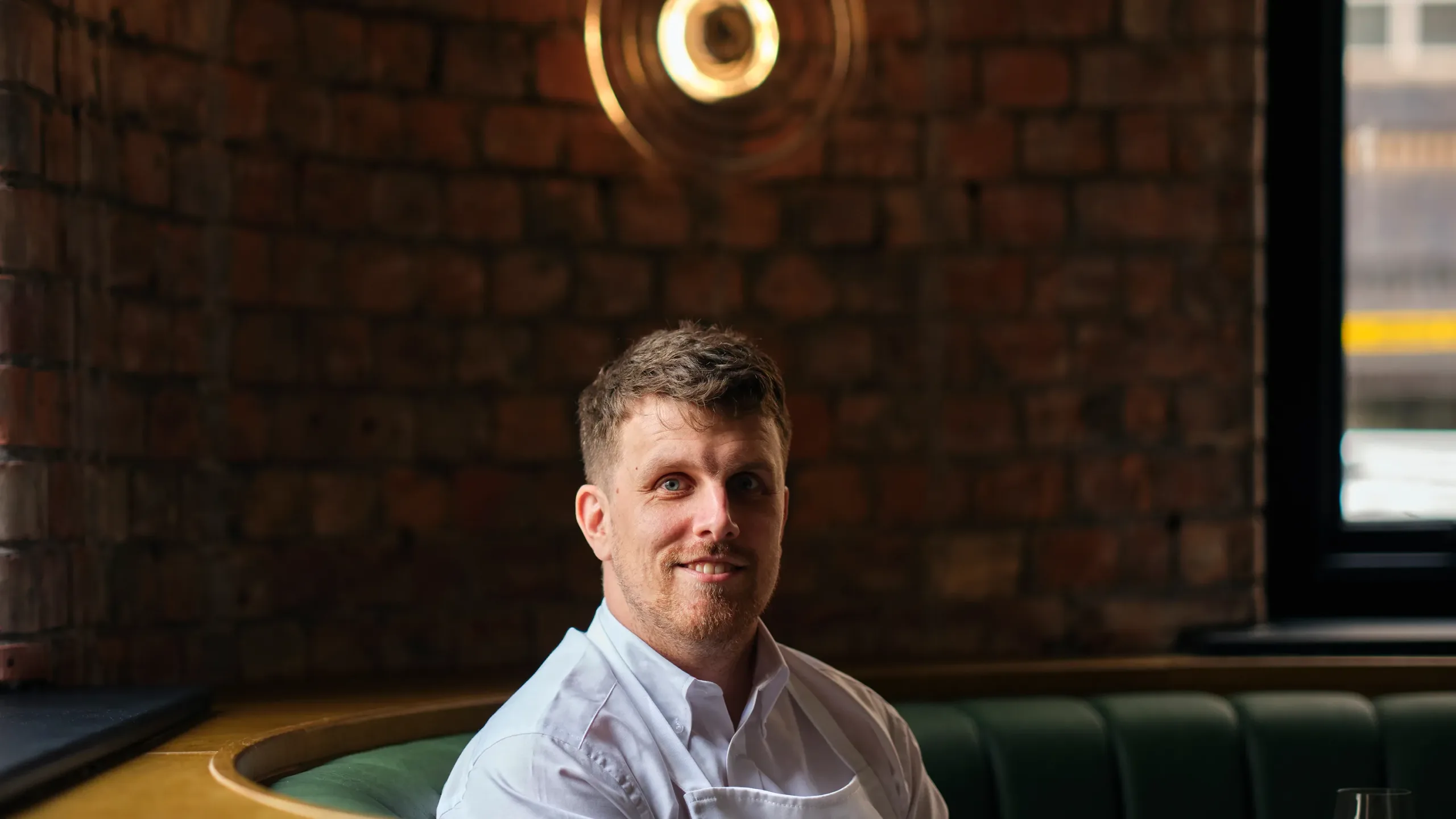
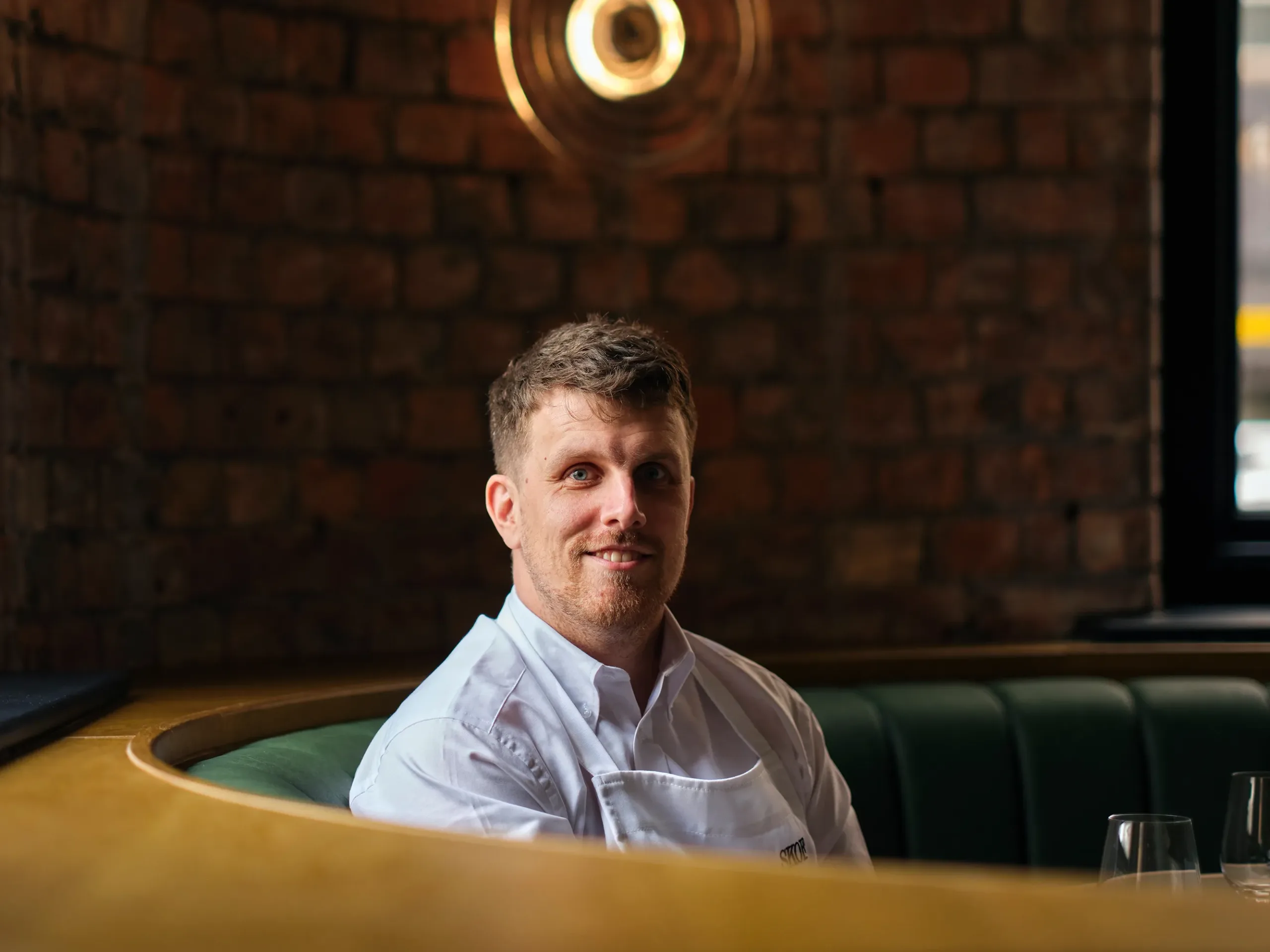
The Spirit of Skof: Casual, Warm, and Inclusive
Skof blends fine dining with casual appeal. There is no dress code, and the environment is described as relaxed and welcoming. Barnes emphasizes that modern diners want food that is not intimidating or overly curated. ‘It’s very much a relaxed environment, and I think that’s really what people want now, isn’t it?’ he says. This philosophy is rooted in his belief that food should be a shared experience—something that brings people together, not separates them with formality or pretension. The restaurant’s name combines a nod to his northern roots—’we joke about scoffing food’—with a reference to his time at Geranium in Copenhagen, where the word ‘scoff’ was an Edwardian slang for food. The building itself is Edwardian in style, reinforcing the connection between heritage and food culture. This blend of historical architecture and modern culinary values creates a space that feels both timeless and alive.
Tom Barnes’ Global Dining Favorites
Barnes has curated a list of restaurants that reflect both technical excellence and a warm, informal atmosphere. These experiences shaped his understanding of what makes a meal memorable.
Ynyshir, Wales
Barnes praises the quality of ingredients, noting prime cuts like wagyu beef served in a rich broth. Guests are encouraged to pick the beef and eat it before drinking the broth, a detail that underscores the dish’s craftsmanship. The restaurant is set in a scenic location, with a beautiful room that enhances the overall experience. Barnes calls it ‘unbelievable’ and highlights the balance between technical skill and simplicity in presentation. The menu is designed to evolve with the season, ensuring that each course reflects the freshness of local produce and the skill of the chef. This attention to ingredient quality and seasonal variation is a hallmark of modern fine dining, and it resonates deeply with Barnes’ own values.
- Address: Eglwys Fach, Machynlleth, Powys, SY20 8TA, Wales
- Website: ynyshir.co.uk
Locust, Nashville, Tennessee
During a visit to Nashville, Barnes and his partner explored Locust, a casual restaurant co-owned by chef Trevor Moran. The menu is small, with standout desserts like a Japanese shaved ice infused with Earl Grey tea, topped with whipped cream, honeycomb, raspberries, and other elements. The experience created a vibrant, community-oriented atmosphere. Barnes describes it as ‘the best holiday I’ve ever had,’ highlighting the warmth and authenticity of Southern dining culture. He also visited local hot chicken spots, reflecting his personal interest in fried chicken—a dish he plans to explore in a future casual concept. The experience reminded him of the importance of cultural context in food—how regional traditions and local ingredients shape the identity of a dish and the community that serves it.
- Address: 2305 12th Ave S., Nashville, TN 37204
- Website: locustnashville.com
Stow, Manchester
Located in Manchester City Centre, Stow serves small plates and larger dishes, with a focus on barbecue-cooked food. The flatbreads are particularly noted, and the chicken—brined and roasted over a barbecue—is described as ‘unbelievable’ in tenderness. Co-owner Jamie Pickles also runs The Trof, a pub in the northern quarter of Manchester, which Barnes calls ‘amazing.’ The menu changes frequently, but the chicken remains a consistent highlight. This restaurant exemplifies how local food culture can thrive in urban settings—using accessible ingredients and traditional cooking methods to create dishes that feel familiar and comforting. Barnes notes that the menu’s evolution reflects a commitment to freshness and responsiveness to customer feedback, a principle he values deeply in his own work.
- Address: 62 Bridge Street, Manchester, M3 3BW
- Website: stowmcr.co.uk
Henrock, The Lake District
Barnes has fond memories of dining at Henrock on a summer terrace overlooking Lake Windermere. The restaurant offers both tasting and à la carte menus, with regular changes in offerings. The experience is described as ‘just delicious,’ with no single dish standing out more than the others. The setting and changing menus contribute to a sense of freshness and local connection. The terrace provides a natural backdrop, with views of the lake and surrounding hills, creating an atmosphere that feels both serene and grounded. This emphasis on natural surroundings and local ingredients aligns with Barnes’ belief that food should be rooted in place and time.
- Address: Linthwaite House, Crook Rd, Bowness-on-Windermere, Windermere LA23 3JA
- Website: henrock.co.uk
Benú, San Francisco
Barnes visited Benú during a Roux Scholarship trip. The restaurant, led by chef Corey Lee of Korean heritage, features a menu rooted in Korean cuisine. He calls it ‘the best meal I have ever had,’ noting the dumplings stuffed with minced pork and a quail dish with a pickle salad. For Barnes, this experience was transformative. Korean food was new to him, and the execution at Benú represented a high level of technical mastery and flavor depth. The meal was described as ‘pretty mind-blowing’ and a standout moment in his culinary journey. This experience taught him that food transcends borders—not only in terms of geography, but in terms of cultural expression and innovation. The menu’s emphasis on balance, texture, and subtle seasoning reflects a philosophy that resonates with his own training and aesthetic.
- Address: 22 Hawthorne St, San Francisco, CA 94105, United States
- Website: benusf.com
Why These Experiences Matter
Barnes’ selections reflect a consistent theme: food that is both technically skilled and emotionally resonant. He values restaurants that deliver excellence without pretense. These experiences are not just about food. They represent a broader cultural shift in how people connect with meals—through shared spaces, local ingredients, and personal stories. His journey from working at elite kitchens to opening a successful, accessible restaurant shows how experience and humility shape a chef’s vision. The success of Skof in Manchester also underscores a shift in the food scene—where diners increasingly seek warmth, authenticity, and ease over formality.
While Barnes has no current plans for a second restaurant, he expresses a long-term ambition to open a casual space focused on fried chicken. This dream reflects his desire to bring joy and familiarity to food culture, even in a world that often prioritizes complexity. Such a venture would not only honor his personal taste but also serve as a bridge between fine dining and everyday meals—showing that excellence in cooking can exist in both refined and simple forms.
His story is one of dedication, balance, and a deep respect for both tradition and innovation in the culinary world.
Sources & further reading
Featured image: original publisher image. Via original publisher. Image source