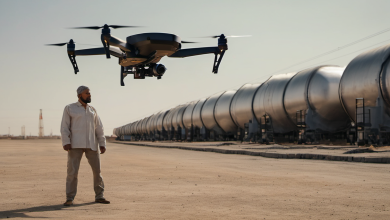
Ukraine’s drone strikes on Russian oil facilities continue despite US appeals, prompting Russia to threaten retaliation. Source: independent.co.uk.
Putin Warns of Retaliation Over Oil Facility Strikes
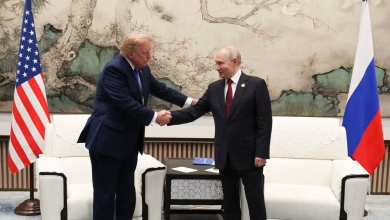
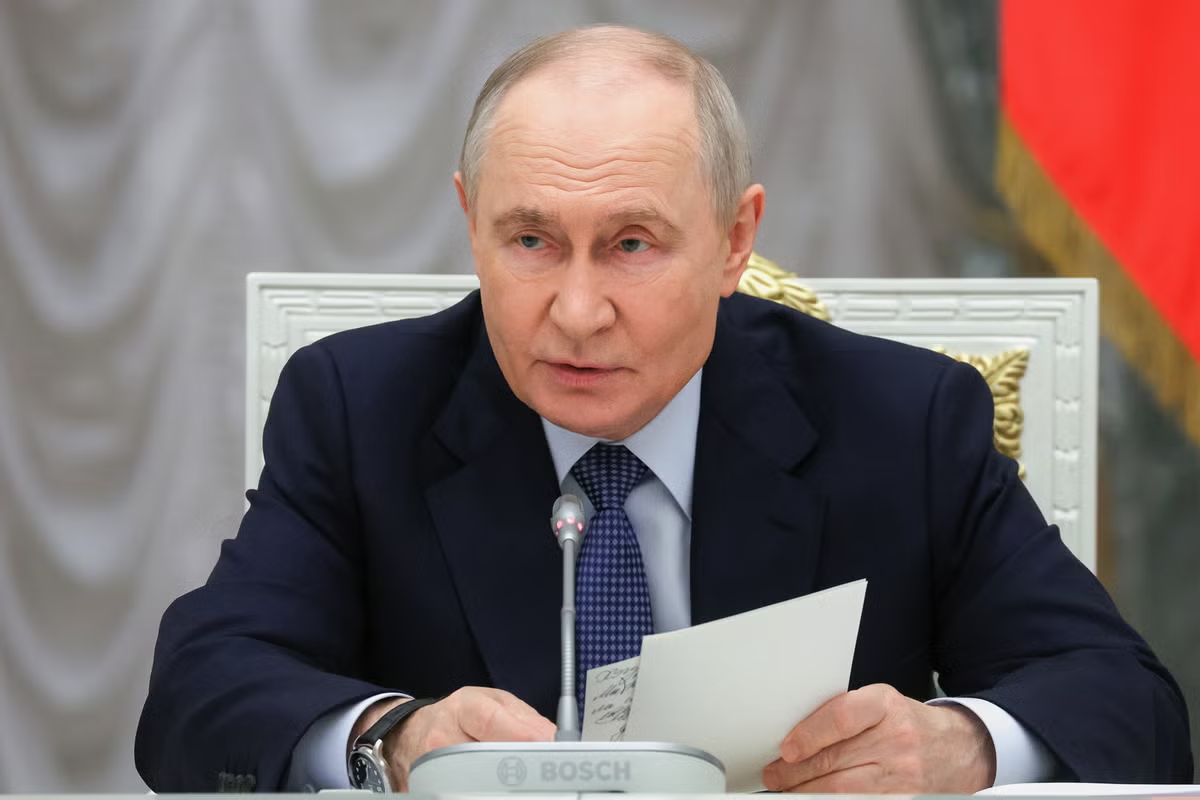
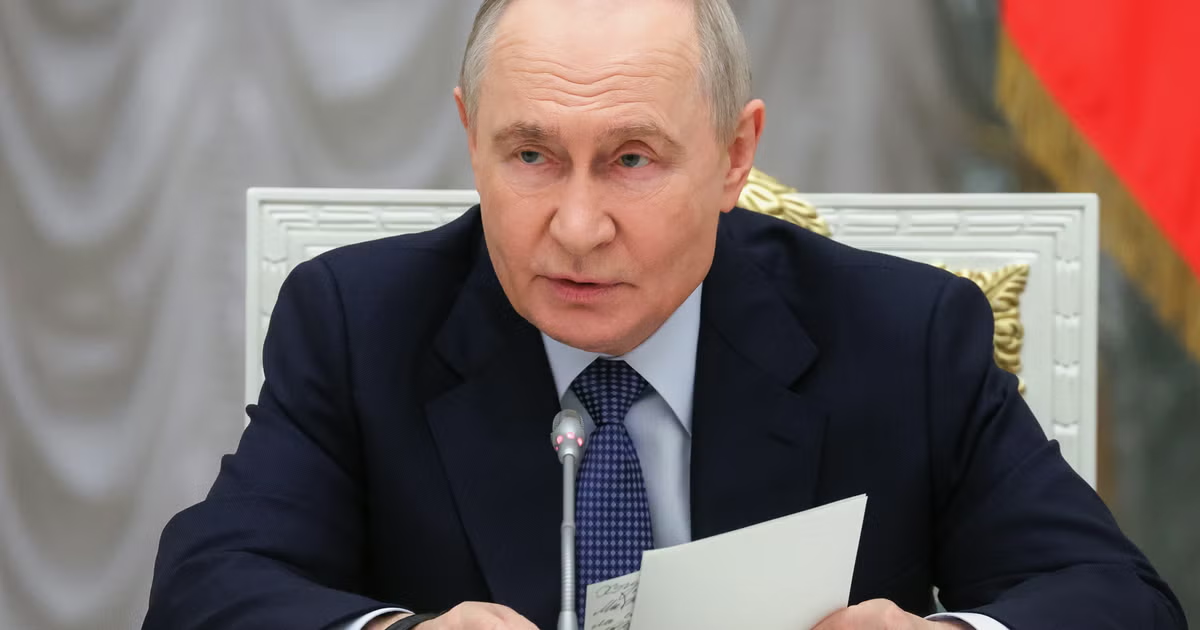
During a meeting with government officials and senior oil executives at the Kremlin on Tuesday, President Vladimir Putin stated that retaliatory measures are ‘inevitable’ in response to ongoing Ukrainian drone attacks on Russian refining facilities.
Putin emphasized that these attacks have been ignored and that Russia will take steps to protect its energy infrastructure, including implementing additional security measures.
Ukraine’s Response: A Valid Retaliation Claim
Ukrainian officials maintain that the strikes on Russian oil facilities are a legitimate response to Russia’s 2022 full-scale invasion.
These operations are framed as part of a broader strategy to disrupt Russia’s ability to fund its war effort through oil revenues, with Kyiv asserting that such actions are defensive and not aimed at civilian populations.
Foreign Minister Andrii Sybiha suggested that Putin could end the attacks by calling a halt to the broader conflict, stating that if he does not wish for his military vessels to be targeted, he could end the war.
Recent Attacks and Escalating Threats
Two major Russian oil refineries—the Syzran and Kuibyshev facilities—have reportedly suffered fires, with local residents sharing footage of a large blaze at the latter, located approximately 800 kilometers from the Ukrainian border.
Monitoring channel Exilenova Plus identified these facilities as targets, according to a report cited by the Kyiv Independent.
Attack on Russian Warship in Libya
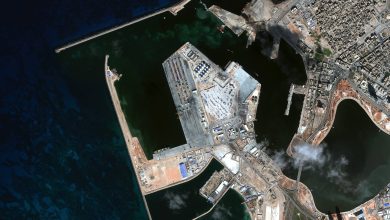
On Sunday, Ukraine sank a Russian naval corvette in a Libyan port using maritime drones. The vessel, named Merkury, capsized and sank after being struck, with only its bow remaining visible.
Ukrainian President Volodymyr Zelenskyy described the operation as an ‘exemplary operation’ and said it was a targeted strike on a Russian warship.
Libya’s government condemned the action, calling it a violation of international law.
Other Targeted Operations
Ukraine has conducted a series of covert operations involving special forces from Kyiv, supported by allied nations including Spain, Malta, Turkey, Italy, Senegal, Mali, Niger, Sudan, Greece, and the Baltics.
These operations have primarily targeted Russian military assets at sea and in ports.
Recent incidents include a Russian cargo ship with military links being hit and set on fire in the Baltic Sea, which Finland attributed to a Ukrainian drone attack.
Escalation of Russian Attacks on Ukrainian Territory
Since September, Russian forces have subjected Kyiv and other Ukrainian cities to near-constant attacks.
On Tuesday, a Russian drone strike hit a multi-storey apartment building in central Kyiv, triggering a fire on the bottom two floors of a 16-storey structure.
Mayor Vitali Klitschko reported that two people were injured in the incident. Witnesses reported hearing explosions in the capital, though Reuters could not independently verify the reports.
Attack in Zaporizhzhia
A nighttime Russian strike on the southern Ukrainian city of Zaporizhzhia killed two civilians and wounded 44 others, including four children.
Head of the Zaporizhzhia Regional Military Administration, Mykhailo Semikin, said the attack destroyed a private house and partially damaged a five-storey apartment building.
The youngest wounded child was under one year old.
President Volodymyr Zelenskyy announced that reinforcements are being sent to the region, which lies on the 1,250-kilometer front line.
Western Responses and Diplomatic Tensions
Poland accused Russia of violating its airspace after a Russian surveillance drone briefly crossed the border, raising concerns about the war spilling beyond Ukraine’s borders.
Earlier, Russia accused Estonia of hostile actions ‘on the verge of triggering open war’ after Estonia closed its land border.
These incidents have intensified tensions among NATO members and underscored the growing risk of regional escalation.
Latvia Faces Diplomatic Pressure
Russia summoned Latvia’s envoy to protest a decision to terminate employment of staff at the Russian Embassy in Riga.
The Russian Foreign Ministry said this action made it impossible to pay military pensions to Latvian residents.
UK and Norway Strengthen Defence Cooperation
Norway and Ukraine have expanded cooperation on a newly developed anti-drone air defence system.
Ukrainian Defence Minister Yevhenii Khmara said joint production is an example of how Ukrainian combat experience combines with partner technologies to deliver practical results.
UK’s Former PM Calls for European Troop Deployment
Boris Johnson, former UK prime minister, said that European troops should be deployed in Ukraine to show strong support.
He described the deployment as a ‘token’ to signal commitment, focusing on logistics and backfilling in safe areas far from the front line.
Johnson argued that Western ‘irresolution’ over Ukraine’s future is misleading Russia and prolonging the war, urging allies to demonstrate clarity in their support.
What This Means for the Conflict
The ongoing strikes on Russian oil facilities and military vessels signal a shift in the nature of the war—from battlefield engagements to global operations.
These actions have drawn international concern, especially from NATO allies and regional governments.
While Ukraine claims these operations are defensive and aimed at economic disruption, Russia has responded with threats of retaliation.
There is no official confirmation that any of the attacks targeted civilians, though multiple incidents have occurred in populated areas.
Key Limitations and Uncertainties
- There is no independent verification of all drone strike reports, especially in Libya and the Baltic Sea.
- It remains unclear whether the attacks on Russian facilities are directly linked to the war’s economic impact.
- International legal frameworks on attacks on warships and civilian infrastructure are still being interpreted.
- Responses from Russia and Ukraine have not been formally documented or confirmed in public statements.
What to Watch Next
Key developments to monitor include:
- Whether Russia deploys retaliatory strikes on Ukrainian infrastructure.
- How NATO members respond to the expansion of Ukrainian operations beyond Ukraine’s borders.
- Any formal diplomatic discussions on the legitimacy of strikes on Russian vessels and facilities.
- Whether the UK or other European nations follow through on troop deployment proposals.
As the conflict evolves, the role of non-traditional warfare—such as maritime drone strikes and economic targeting—has become increasingly prominent. These operations reflect a broader strategic shift where the battlefield is no longer confined to land-based frontlines but extends into maritime zones and international waters. The involvement of allied nations in these operations, such as Spain, Malta, and the Baltic states, indicates a growing international dimension to the conflict. These forces, often operating under the umbrella of Kyiv’s special operations units, have demonstrated a capacity to conduct precision strikes on high-value military assets, including vessels and supply lines.
The targeting of Russian oil refineries in the Samara region is particularly significant because these facilities are central to Russia’s energy export strategy. Disrupting operations at such facilities could affect fuel availability across Russia, especially in regions that rely on imported oil. However, such actions also raise questions about the legality and proportionality of such strikes under international law, particularly if they result in collateral damage or impact civilian populations.
Meanwhile, the attack on the Russian warship Merkury in Libya highlights the global reach of the conflict. While Libya is not a direct participant in the war between Russia and Ukraine, the incident demonstrates how the conflict has spilled into international waters and diplomatic relations. The Libyan government’s condemnation of the strike underscores the growing concern among nations about the legality and consequences of such actions, especially when they involve foreign vessels and ports.
Additionally, the increasing frequency of attacks on Ukrainian cities—such as Kyiv and Zaporizhzhia—signals a shift in the nature of the conflict. These strikes, which have resulted in civilian casualties and property damage, reflect a broader trend of targeting infrastructure and urban areas. While Ukraine maintains that these attacks are defensive and aimed at protecting its population, the humanitarian impact remains a critical concern for international observers.
Western nations, including Norway and the United Kingdom, are responding with increased cooperation in defence technology. The joint development of anti-drone systems represents a practical adaptation to the evolving threat landscape. These systems are designed to counter the growing use of drones by both sides, particularly in contested areas and near urban centres. Such cooperation not only strengthens Ukraine’s defensive capabilities but also sets a precedent for future international partnerships in asymmetric warfare.
While such deployments would not involve direct combat, they would serve as a visible demonstration of international solidarity. By sending non-combat personnel to support logistics and backfilling operations in safe zones, Western nations could signal their unwavering commitment to Ukraine’s sovereignty and security. This approach may also help to reduce the perception of ambiguity that has long been cited as a factor in prolonging the conflict.
As the war continues, the balance of power may shift in ways that go beyond traditional military engagement. The integration of economic, maritime, and technological elements into the conflict suggests that future developments will likely involve more complex, multi-domain strategies. Monitoring these developments will be essential for understanding how the war evolves and how international actors respond to its escalation.
Sources & further reading
Featured image: original publisher image. Via original publisher. Image source