Nan Goldin’s new exhibition at the Hayward Gallery in London blends personal intimacy with artistic ambition. Titled Stendhal Syndrome, it explores beauty, desire, and human vulnerability through films and photo montages. Source: theguardian.com.
Beauty in the Raw
Goldin’s photography captures lives on the edge—of addiction, intimacy, and risk. Her early series The Ballad of Sexual Dependency shows her friends in unvarnished moments, often nude or in physical connection. These images come from real encounters, not staged scenes. They reflect immediacy and authenticity.
At the exhibition’s heart is a film linking modern sensuality to classical art. A young man looks directly at the camera in a Caravaggio-style pose. The scene cuts to a 17th-century painting. The resemblance is striking. Both figures show quiet intensity and reverence.
Goldin has long been drawn to how desire in art spans time and culture. In a voiceover, she says she saw her friends’ faces in masterpieces by Correggio and Canova while walking through the Louvre in Paris. These moments suggest a timeless human experience of love and longing.
Myth and Modern Desire
Goldin draws on Ovid’s Metamorphoses to frame her work. She photographs real people who mirror mythic figures: a couple like Pygmalion and Galatea, a man like Narcissus gazing at a mirror. These references are not decorative. They show desire has ancient roots.
Modern boho culture echoes ancient myths. In her photos, lovers fondle each other like Cupid and Psyche. Physical touch becomes sacred. The warmth of living flesh in her images matches the idealized forms of Canova’s marble. This raises questions about beauty and how it’s seen across time.
Yet the exhibition doesn’t romanticize human behavior. In Memory Lost, a mattress with a cigarette burn is shown beside images of red skies and winter woodlands. The contrast shows beauty and destruction. Goldin has long opposed opioid use. This film highlights addiction’s destructive power. The burnt mattress is a symbol of decay. The nature images show beauty still endures. The viewer feels sorrow and awe.
Animals and the Innocence of Nature
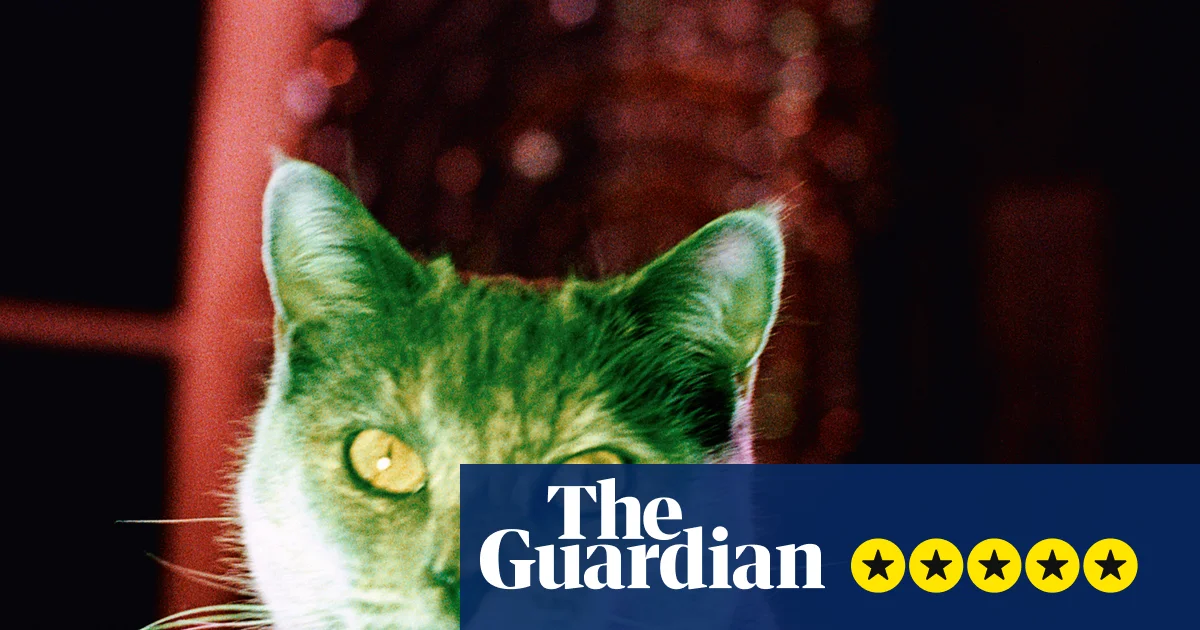
The film You Never Did Anything Wrong gives the exhibition its title. It starts with a cat’s eyes staring directly at the viewer. The gaze is unblinking. Other animals—owls, alligators—are shown in a disturbing montage. These are found photos, faded and out of focus. The colors are inaccurate. The images are old.
These deliberate choices show the natural world’s fragility. The viewer realizes these animals are no longer alive. Only memories remain.
On a gravestone in a pet cemetery, the words read: You never did anything wrong. Another says: We are sorry. At first, the viewer may laugh. But the sentiment grows heavier. It suggests a moral reckoning between humans and nature.
Goldin isn’t just showing animals. She’s inviting viewers to reflect on their role in ecosystem destruction. A horse leaps. Birds flock. A tortoise helps another rise. These scenes evoke harmony. They feel lost in modern life. They are brief, but emotionally powerful. They represent a world once in balance.
Art as a Mirror of Life
Goldin moves between human and animal, art and reality. Her films show that beauty and desire are shared with nature. But humans are not innocent. The exhibition shows how addiction and destruction contrast with animals’ quiet grace.
As viewers move from one film to another, they feel dazed and euphoric. This is Stendhal Syndrome: a physical and emotional response to overwhelming beauty. In extreme cases, it can cause a near-fatal collapse. Yet it’s also a moment of deep connection to something greater.
Goldin’s exhibition is not just a review of her work. It’s a meditation on art’s power. It connects us to the past, myth, nature, and each other. It’s also a warning. The world she portrays is fragile. The beauty she captures is fleeting. Yet in its honesty, it remains profoundly human.
Sources & further reading
Featured image: original publisher image. Via original publisher. Image source