When it comes to holiday entertaining, food is not just served—it is styled. The way canapés and hors d’ourves are presented shapes the entire experience. It sets the tone, guides guest interaction, and becomes a shared point of conversation. In an era where design is increasingly intertwined with everyday living, foodscaping has emerged as a powerful form of expression. It is no longer a secondary detail; it is the core of the hosting experience. Source: livingetc.com.
Food as Design: A Shift in Tablescaping
Modern hosting is moving beyond decorative trappings. The focus is now on how food is arranged and experienced. As Charu Gandhi of Elicyon notes, food has long been a visual language in fashion, branding, and creative campaigns. It is now being reintegrated into interior design, especially in how tables are styled. This shift reflects a broader cultural movement toward authenticity and personal narrative in home environments.
Christmas table trends are embracing a more personal and expressive edge. This shift means food is no longer background—it is central. The way dishes are displayed, the tools used, and the space allocated to them all matter. Designers are no longer treating food as a functional element but as a narrative device. A well-placed canapé, a thoughtfully arranged platter, or a single serving piece can evoke emotion, memory, and connection.
Why Vintage Silver Works
Vintage silver has become a key element in this evolution. Designers highlight its visual contrast with food. Silver is smooth, shiny, and reflective. Food, by contrast, is textured and colorful. This dichotomy creates a dynamic visual balance that draws the eye and enhances the sensory experience.
Charlie Karlson, creative director of Opus 11, says vintage silver trays, small bowls, and unusual serving dishes add character. He emphasizes that pieces with wear—items that look like they’ve been collected over time—carry more emotional weight. This authenticity resonates deeply in a season that celebrates tradition and memory.
These pieces don’t need to match perfectly. The charm lies in their individuality. A vintage oyster plate for appetizers or a silver coupe for desserts can elevate a spread without requiring a uniform look. Charlie notes that mixing vintage silver with handmade ceramics and travel-acquired pieces creates a personal, authentic feel. This approach is especially meaningful during the festive season, when guests are drawn to stories and origins.
For instance, a small silver dish with a chipped edge might have been passed down from a grandmother. A brass serving tray might have been found in a market in Portugal. These details transform the table from a mere surface into a living narrative. The pieces themselves become artifacts of personal history.
Choosing Serveware with Function in Mind
Every serving piece should serve a purpose. It must support how guests interact with the food. This is not just about aesthetics—it is about practicality and flow.
For sit-down meals, Dani Tucker of The Social Kitchen recommends generous sharing platters. These encourage guests to pass food and talk. When a platter has a personal story behind it—such as being inspired by a family recipe or a trip to Italy—it adds depth to the experience. The platter becomes more than a vessel; it becomes a vessel of memory.
She stresses that food should be planned into the table layout from the beginning. Serving dishes should sit comfortably within the overall design. For larger gatherings, a separate drinks or dessert station can free up space and allow guests to gather in different areas. This not only improves functionality but also encourages social interaction in varied settings.
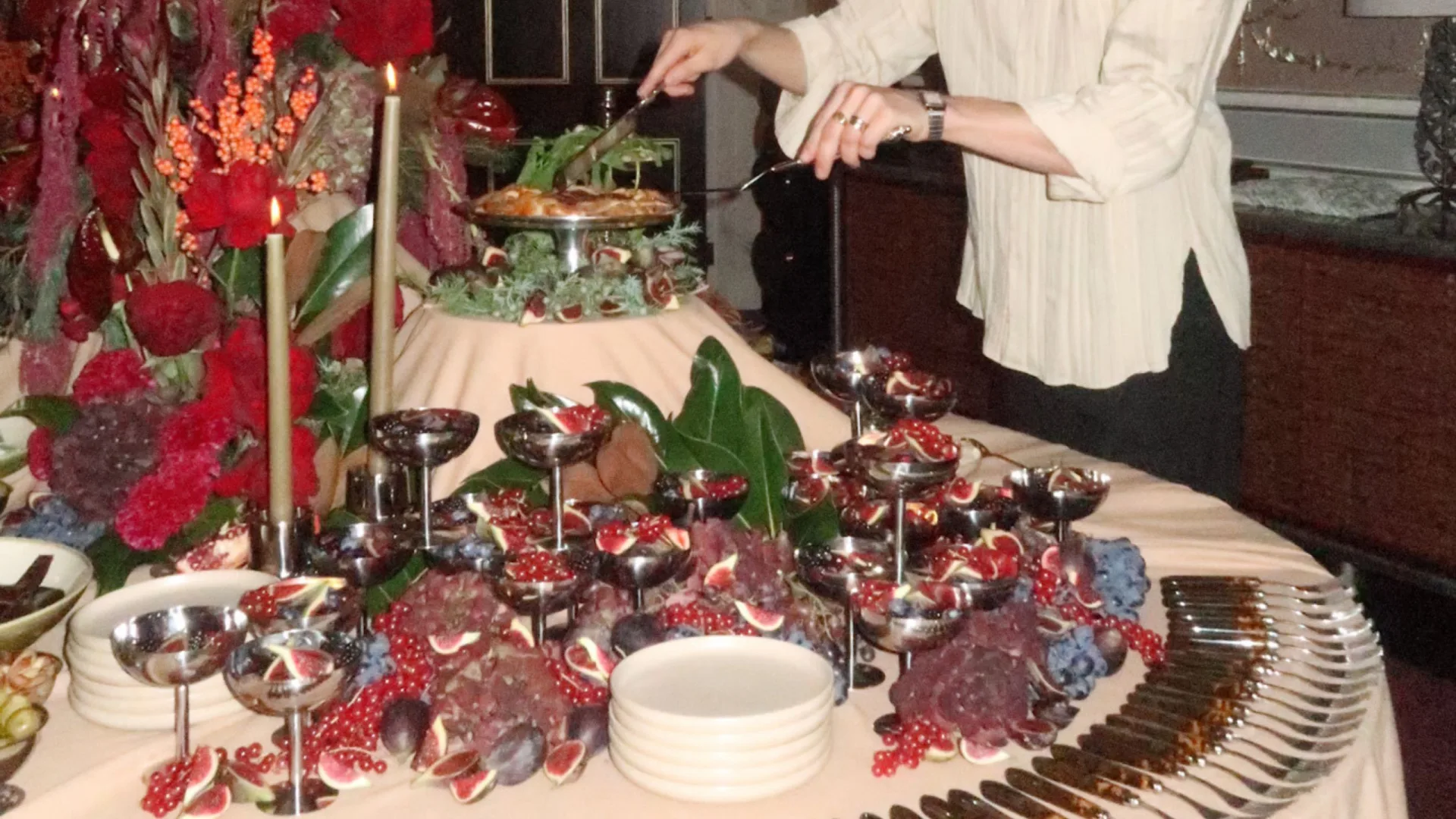
Temperature matters too. Cold canapés work well on large platters, especially when served in a buffet-style setup. Hot dishes, however, are best served in smaller batches to maintain freshness and safety. This is particularly important when serving items like roasted vegetables or grilled meats, which lose flavor and texture if left out too long.
Feasting tables, where guests serve themselves, break down formality. They invite conversation and ease. Charlie says such tables immediately create a relaxed, inclusive atmosphere. This style fosters a sense of community, where guests feel empowered to participate in the meal rather than simply observe it.
Using Scale and Asymmetry
Arranging food in neat rows is outdated. A more dynamic approach uses visual planes, scale, and height. This creates a more engaging and natural flow of sight and interaction.
Charlie Karlson suggests playing with different heights—large platters, small bowls, unexpected serving pieces. This creates a relaxed and engaging visual flow. The human eye naturally moves from one element to another, and asymmetry guides this movement without disrupting the harmony of the table.
Dani Tucker adds that varying scale with large platters, smaller dishes, and footed bowls or cake stands adds interest. Using fabric or plinths of different sizes can layer height effectively. For example, a wide, shallow bowl might sit on a soft fabric plinth, while a taller, narrower dish rests on a wooden base. This creates a layered, three-dimensional effect that feels intentional and curated.
Charlie shares a pro tip: turning bowls upside down can create a plinth. This adds height without needing extra furniture. It’s a clever, low-cost solution that demonstrates how design thinking can be applied in practical ways. This method also introduces a tactile element—guests can see the bowl’s shape and texture from below, adding depth to the visual experience.
He also warns that taller pieces should not block conversation. Every dish must have a serving utensil. This ensures guests can serve themselves easily and reduces the need for staff intervention. It also promotes a sense of autonomy and engagement.
Personal Touches Over Perfection
The most memorable entertaining moments are personal. They stem from details that feel authentic. A dish inspired by a childhood memory, a recipe passed down through generations, or a food item from a cultural tradition can become the emotional heart of a gathering.
Charlie says the most memorable gatherings have something personal behind them. This could be a dish inspired by a travel memory or a nostalgic recipe. These elements are not decorative—they are deeply human. They connect guests to shared experiences and cultural roots.
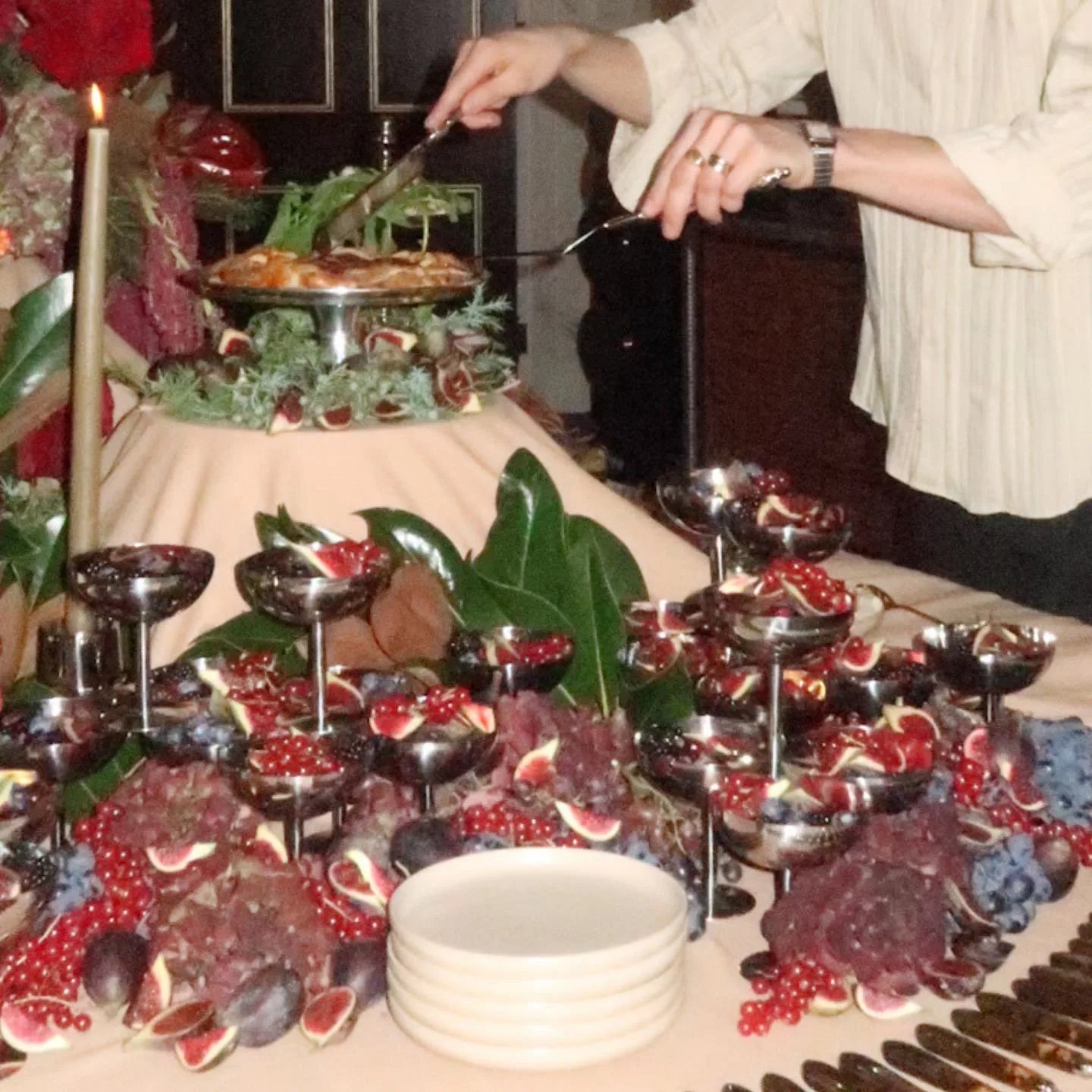
He shares that 85% of his serveware has a story behind it. These items are collected from around the world. When guests ask where a piece came from, it becomes a conversation starter. This kind of dialogue is what turns a meal into a shared experience. It transforms the table from a place of consumption into a place of storytelling.
He also believes a slightly undone table—where food moves, guests help themselves, and things are not perfectly arranged—is more inviting than one that appears perfectly styled. Imperfections create a sense of warmth and authenticity. A table that feels lived-in, rather than curated, fosters a more intimate and welcoming atmosphere.
Creating a Still-Life Table
A successful table feels abundant and intentional. Charlie describes a table with a few bowls of seasonal fruit, candlelight, and an old silver champagne bucket filled with ice and wine. Adding glassware next to it transforms the scene. He compares it to a still-life painting—rich, layered, and full of detail.
Such a table doesn’t just serve food—it creates a moment. It becomes a shared experience that guests remember. The interplay of textures, colors, and lighting creates a sensory environment that lingers long after the meal ends.
What This Means for Hosts
Hosting is no longer about flawless presentation. It’s about thoughtful design and personal connection. The best foodscaping is not about perfection. It’s about balance—between design, function, and personal memory.
Hosts should start with a table theme—color, style, or mood. Then choose serving pieces that match both the food and the theme. For example, a shallow platter shows off a colorful salad beautifully, while a deeper bowl is perfect for generous sides. Pinch pots and mini bowls keep sauces and seasonings close at hand. A little space around each dish allows guests to serve themselves easily.
There are many niche kitchenware options that elevate a spread. From West Elm’s Theron Stoneware Dip Bowl Sets to Pottery Barn’s Coastal Embossed Oyster Serving Platter, choices are diverse. These pieces offer both function and visual appeal, making them ideal for both casual and formal gatherings.
For inspiration, explore curated collections like the Fushiton 6-Piece White Display Stand or Dunelm’s Artesa Brass Canape Tree. These pieces offer both function and visual appeal. They are not just tools for serving—they are design statements that reflect the host’s personality and values.
Ultimately, the best foodscaping is not about perfection. It’s about intention. When food is presented with thoughtfulness, it becomes the centerpiece of the evening. It invites conversation, evokes memory, and creates a shared moment that guests will remember long after the table is cleared.
For decor inspiration, visit Christmas decor ideas . And explore chrome home accessories at chrome home accessories .
Sources & further reading
Featured image: Film photo of a grand table set for a Christmas feast. It's full of different red fruits, silverware, and festive foliage. Someone is serving a pie.. Via original publisher. Image source