A bathroom that feels freezing in winter is a common frustration. Even with a heated towel rail, many homeowners find the space remains cold. This issue often stems from a misunderstanding of how such devices work. The assumption that a heated towel rail is sufficient to warm an entire bathroom is widespread, yet it is fundamentally flawed when considering the physics of heat distribution and the practical realities of bathroom design.
Why a Heated Towel Rail Falls Short
Heated towel rails are designed to warm towels, not to heat an entire room. When towels are hung on them, they absorb heat and block its circulation into the room. This creates a paradox: the device intended to warm towels actually reduces the amount of heat available to warm the surrounding air.
Nick Duggan, managing director at The Radiator Centre, explains that a towel rail can provide some warmth, but he wouldn’t automatically assume it’s going to be enough to heat the whole bathroom. He emphasizes that in larger bathrooms or those with poor insulation, more heat is needed. A single towel rail may not meet the room’s heating demands, especially if it’s the only source of warmth.
Howard Ball, managing director at CCL Wetrooms, agrees. He says, ‘A bigger rail helps only up to a point. To heat a room as well as dry towels it would need to be so large that it runs too hot to touch and still leaves cold feet.’ This highlights a critical design flaw: the physical limitations of a towel rail’s placement and heat transfer efficiency.
Heat rises, and in a bathroom, warm air naturally moves toward the ceiling. Extractor fans, which remove moisture and stale air, often operate at the ceiling or upper portion of the room. This means that any heat generated at the top of a wall—such as a towel rail—is quickly drawn upward and out of the room. Without a source of heat that can counteract this upward movement, the room remains cold.
Heat Output and Design Matter
Size alone doesn’t determine performance. Two rails that look similar can have very different heat outputs based on design, construction, and surface area. A more substantial design with wider bars or a larger heating surface will generally give out more heat than a slim, traditional ladder rail.
Nick Duggan adds that the central heating system plays a crucial role. Modern systems, such as heat pumps, operate at lower water temperatures than traditional boilers. A towel rail must be designed to deliver heat at these lower temperatures to function effectively.
Manufacturers provide heat output figures—measured in British Thermal Units (BTUs)—which should be checked before purchase. These figures are typically listed in product specifications and are essential for making an informed decision.
Therefore, a homeowner must assess the room’s volume, insulation quality, and existing thermal performance before selecting a towel rail.
Alternative Heating Options
Several alternatives offer better results for heating a bathroom effectively, each with distinct advantages and limitations.
A Bathroom Radiator
Traditional ladder-style towel rails have modest heat output. Once towels cover them, heat output drops significantly. This is because the surface area of the rail is covered, reducing the amount of heat that can be radiated into the room.
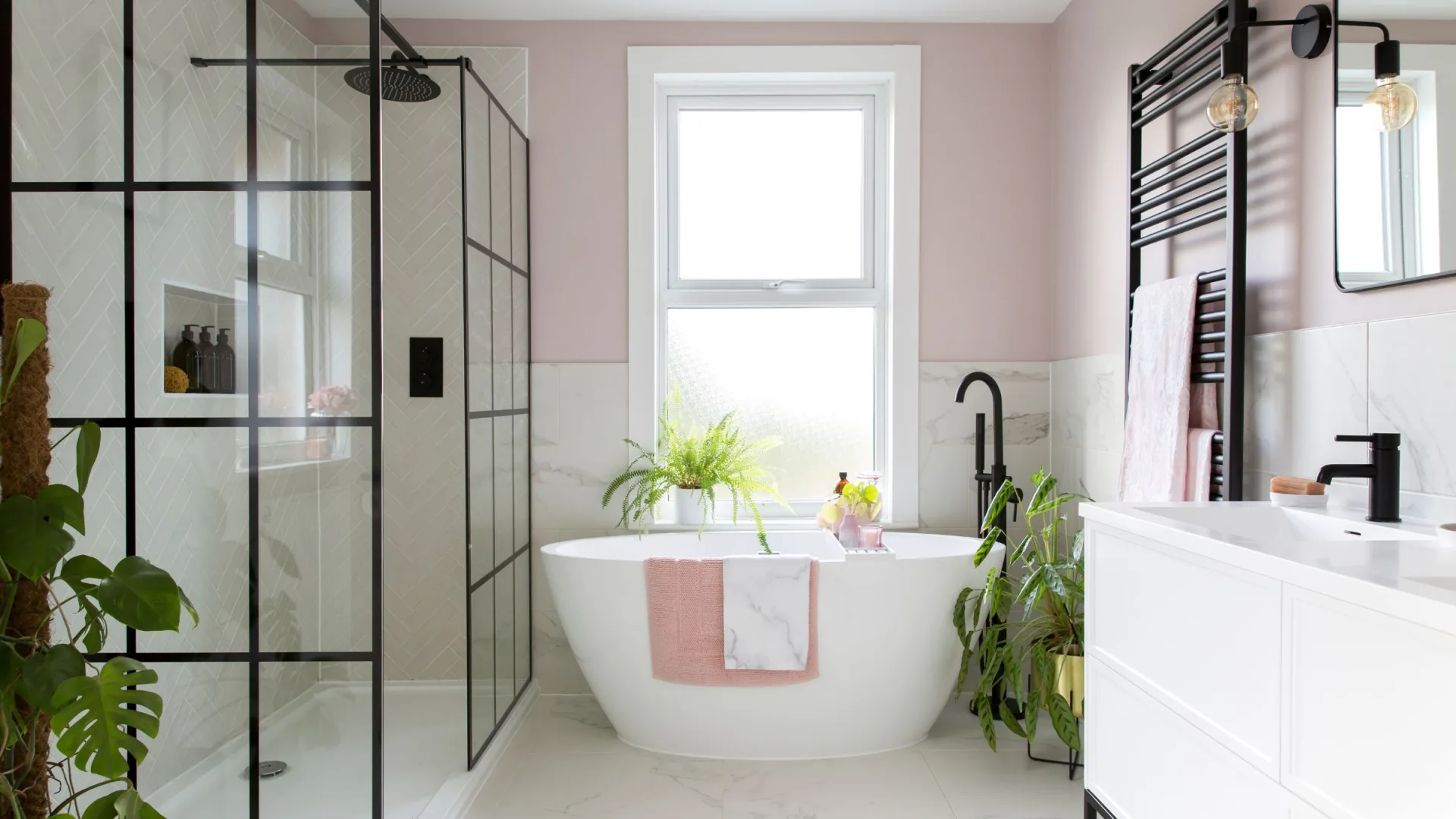
Nick Duggan recommends double ladder designs or panel radiators with convector fins. These offer higher heat output and better room warming. A double ladder rail, for instance, has twice the surface area of a single ladder rail, which translates to more heat being emitted into the room.
Panel radiators circulate warm air more effectively due to their convector fins, which increase surface area and promote air movement. This makes them more efficient at warming the entire room. Some models also include towel bars or hooks, offering both towel drying and room heating in one unit.
Column radiators also perform well. A deeper, multi-column design delivers more heat than a slim, single-column version of the same height and width. For instance, a 1000mm x 635mm column radiator with a 2757 BTU output is significantly more effective than a 450mm x 1600mm single rail with a lower BTU rating.
Finish matters too. Polished chrome rails can give up to 20% less heat than matt or coloured finishes. This is due to surface reflectivity—polished surfaces reflect more heat rather than emitting it. A matte finish, on the other hand, absorbs and emits heat more efficiently. Therefore, when comparing models, finish should not be the primary factor in selection.
Models like the B&Q; Right Radiators or the Bathroom Mountain Gibraltar radiator offer high heat output and are suitable for larger bathrooms. These units are designed to provide consistent warmth and are ideal for spaces where comfort and functionality are both priorities.
Underfloor Heating
Underfloor heating warms the entire floor, which in turn heats the room and reduces condensation. This is particularly effective because the floor is the largest surface in a bathroom and acts as a thermal reservoir.
Rhylan Bell, managing director at ThermoSphere, says a layered approach works best. Floor heating warms the room and people in it, while a towel rail handles towel drying. This combination ensures that both comfort and practicality are met.
Electric underfloor heating is simpler to retrofit than liquid systems. It can be installed beneath new tiles or flooring without major structural changes. However, the existing floor must be removed, and the subfloor must be dry and structurally sound. The floor height may rise slightly, requiring adjustments to doors and thresholds.
Mike Whitfield notes that retrofitting underfloor heating is a major renovation. It’s best considered during a full bathroom redesign. It creates a minimalist, open feel and eliminates the need for multiple wall-mounted radiators. In a modern bathroom, underfloor heating can transform the aesthetic by removing visual clutter and providing a seamless, warm surface.
It also reduces moisture buildup, which helps prevent mould and mildew growth.
Infrared Heating
Infrared heaters warm people and surfaces directly. They do not heat the air, which makes them more effective in bathrooms. Unlike fan heaters, which warm air that is quickly removed by extractors, infrared heaters emit radiant energy that is absorbed by the body and surfaces.
Howard Ball says infrared heaters are better than fan heaters because they do not warm air that is quickly removed by extractors. This makes them more efficient in environments where air circulation is high.
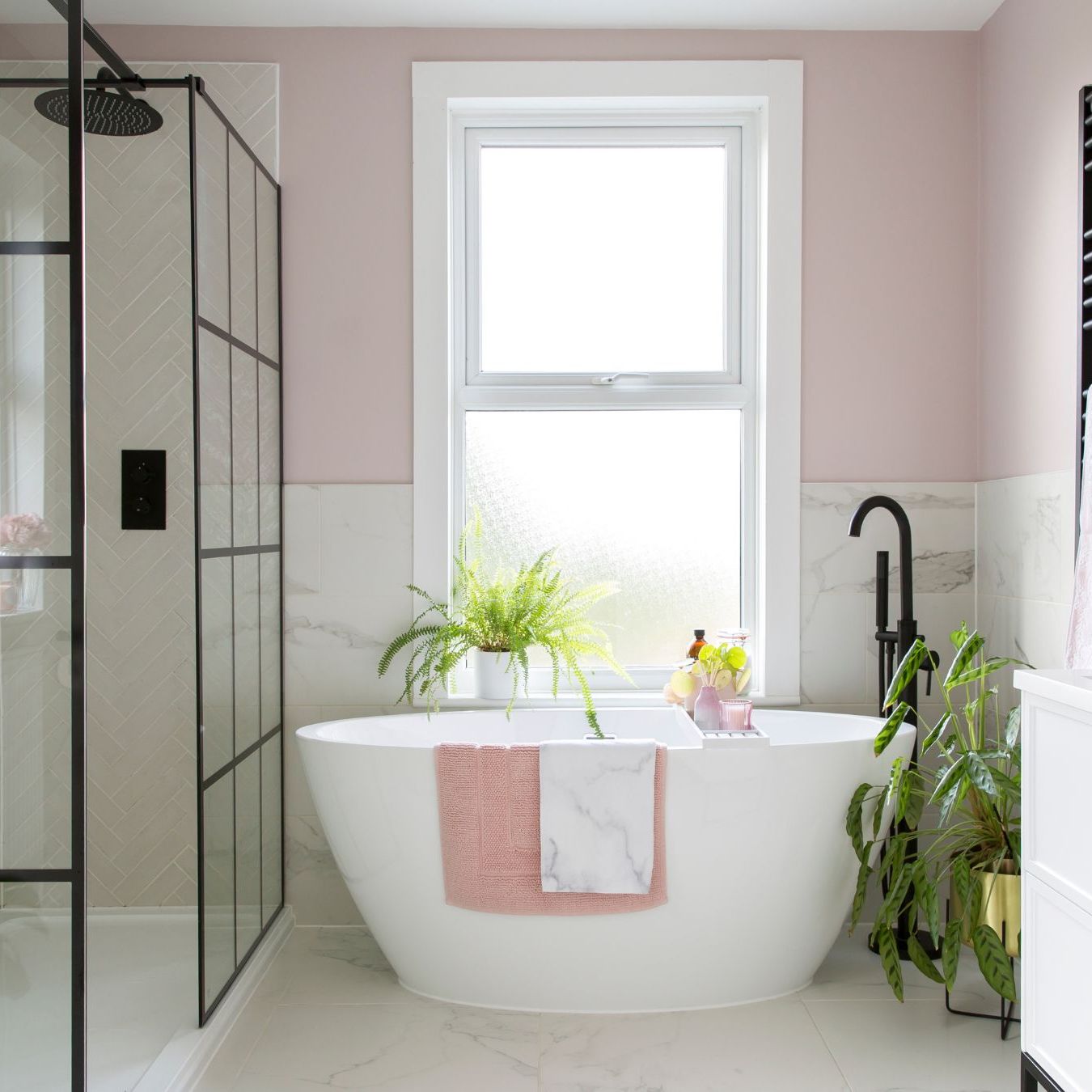
However, infrared heaters only warm what they point at. They do not heat the floor or create even room temperatures. For instance, if a heater is mounted on a wall and pointed toward a person, it will warm that person but leave the floor and opposite wall cold. This creates a patchy warmth that is uncomfortable for someone standing or sitting in a different area of the room.
Underfloor heating, by contrast, provides radiant warmth from the floor. This warms the entire space and helps reduce moisture buildup. The floor, being the largest surface, acts as a thermal reservoir, distributing heat evenly throughout the room. This results in a more consistent and comfortable environment.
Designing a Balanced Heating System
Howard Ball recommends thinking in three layers when designing bathroom heating. These layers work together to create a holistic and effective system:
- The floor heats the room and people in it.
- A mirror demister keeps glass clear.
- A towel rail dries and warms towels.
Each layer should be planned at the design stage. The source of heat, location, and control should be defined early. For instance, a thermostat can be programmed to activate the underfloor heating 10 minutes before someone enters the bathroom, ensuring the floor is warm and the room feels comfortable before anyone steps in.
Using a thermostat ensures the floor is warm before anyone enters. This improves comfort at lower air temperatures. Tile and glass surfaces draw heat from the body. Warming these surfaces allows people to feel comfortable even when air temperature is low.
It’s important not to sacrifice ventilation. Extractor fans remove moisture before it condenses. This prevents mould and maintains air quality. A well-designed system balances warmth with airflow, avoiding the risk of excessive humidity and microbial growth.
Why This Matters for Homeowners
Many homeowners assume a heated towel rail is sufficient for a bathroom. This belief is based on appearance, not performance. Without proper research, a single device may not meet the actual heating needs of a room. This leads to discomfort, especially in winter.
Effective heating requires understanding how different systems work together. A well-designed system combines floor heating, surface warmth, and towel drying. For example, a small bathroom with good insulation might only need a single towel rail with a high BTU rating, while a larger, poorly insulated room may require a combination of underfloor heating and a panel radiator.
Homeowners should consider their bathroom size, insulation, and layout when choosing a heating solution.
For new builds or renovations, planning heating from the start avoids costly fixes later. A poorly designed heating system may require expensive modifications or replacements in the future, especially if it fails to meet the needs of occupants during winter months.
Limitations and Open Questions
Some solutions come with significant limitations.
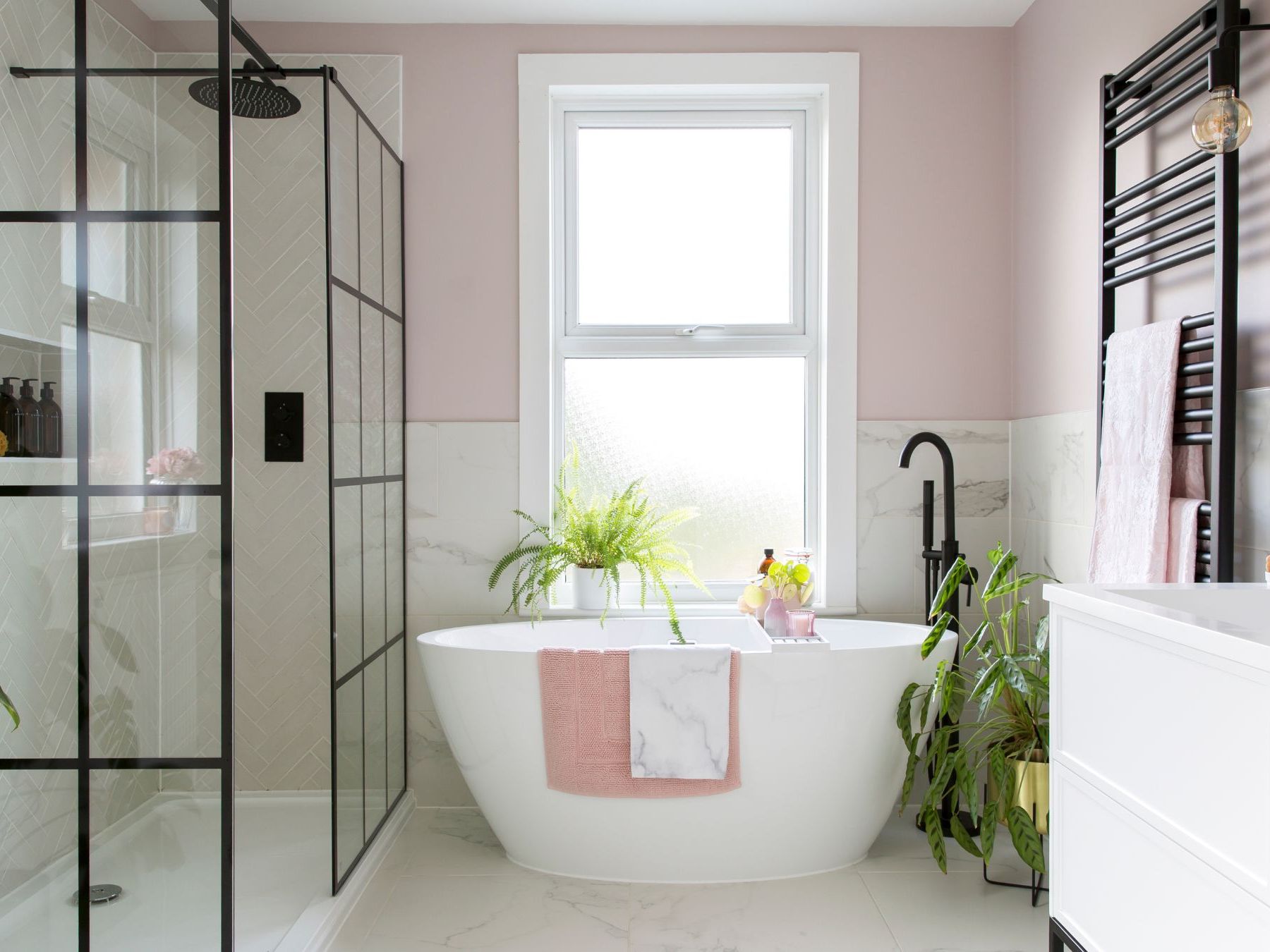
Retrofitting underfloor heating requires removing existing flooring. This is disruptive and costly. It’s only practical during major renovations. In older homes with original flooring, this may not be feasible without extensive restoration work.
Heated towel rails are best used for towel drying, not room heating. Their performance drops when towels are hung on them. In a bathroom where towels are frequently used, this limitation becomes more pronounced.
Modern heating systems operate at lower temperatures. A towel rail must be designed for these conditions to function properly.
There is no universal solution. The best option depends on bathroom size, insulation, and design goals. A homeowner must assess their specific needs before making a decision.
While infrared heaters offer direct warmth, they do not provide even room heating. They are best used as supplements, not primary solutions. For instance, an infrared heater can be used to warm a person standing near a wall, but it cannot replace the even warmth provided by underfloor heating.
What to Watch For Next
As energy efficiency becomes more important, heating solutions will continue to evolve. Future designs may offer more efficient, lower-temperature systems that work well with modern heat pumps.
Homeowners should consider integrated systems that combine floor heating, smart controls, and towel drying. These systems can be programmed to respond to occupancy, time of day, or weather conditions, optimizing energy use and comfort.
For example, a smart thermostat could detect when someone is entering the bathroom and automatically activate underfloor heating.
Regular boiler servicing and insulation checks remain essential to ensure heating systems perform effectively. A poorly maintained boiler or inadequate insulation can significantly reduce the efficiency of any heating system, regardless of the type.
Understanding the role of each heating element ensures a more comfortable, efficient, and long-lasting bathroom environment. Whether choosing a towel rail, radiator, or underfloor heating, the key is to match the solution to the room’s size, insulation, and intended use.
For more on bathroom heating options, see our guide on how to buy a heated towel rail and insulation in bathrooms.
Sources & further reading
Featured image: Pink painted bathroom with white marble tiles on the lower part of the wall, a freestanding bath in the middle of the room, and a sink and shower either side. Via original publisher. Image source