Costume designer Trish Summerville reimagined the 1970s style of The Further Mis-Adventures of Cliff Booth, a Netflix film that continues the story of Brad Pitt’s character from Quentin Tarantino’s Once Upon a Time in Hollywood. Summerville’s work is not just a visual homage—it’s a meticulously researched, character-driven interpretation of how fashion reflects identity, authenticity, and the rhythms of everyday life in 1970s Los Angeles. Source: vogue.com.
How the Project Began
Summerville was approached by producer Ceán Chaffin. They met at a coffee shop—an unusual setting for such a professional connection. This casual start showed the deep trust between the director and her.
She said she’s always open to working with David Fincher. Their history includes The Girl with the Dragon Tattoo, Gone Girl, and Mank. She values their shared vision and intuitive alignment.
She knew only it was a film set in Los Angeles. The full details came after she agreed. A text from Fincher confirmed: ‘Yay, I’m glad you’re in.’
Revisiting the Original Film
Summerville had seen the original film. After being invited, she rewatched it to understand the characters.
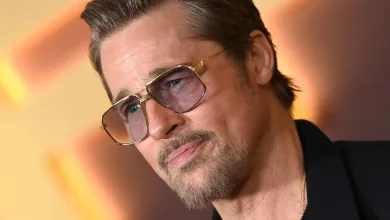
Cliff Booth, played by Brad Pitt, was a rugged, independent man in 1969. The new film is a fresh story set in 1977. It reflects a cultural shift in fashion, music, and values.
Research and Period Accuracy
To stay authentic, Summerville visited Los Angeles’s Western Costume archive. It holds vintage catalogs, photos, and behind-the-scenes materials.
She studied JCPenney, Sears, Vogue, and Ebony catalogs. These showed how people dressed daily—on the job, at events, and in casual settings.
She also looked at films from the era to see how actors and staff dressed on set. This helped capture real-life silhouettes, not exaggerated styles.
Her goal was not to recreate a fashion show. It was to build a world that feels lived-in and believable. Authenticity comes from emotional resonance, not just historical accuracy.
Evolution of Cliff Booth’s Look
Cliff Booth remains a central figure. His look evolves to match 1970s fashion while keeping his core identity.
Summerville reduced layers. He now wears Roper suede boots instead of moccasins. His shirts are buttoned lower, giving him a more relaxed, natural presence.
These changes reflect real 1970s men’s wear—especially in urban, working-class settings. The film opens with the iconic Hawaiian shirt from the original film. This helps audiences recognize Cliff and feel a connection to his past.
Costume Development Process
Most costumes were custom-made, especially for principal actors. A rule in costume design: ‘If you have one, you have none.’
One vintage liquor bottle shirt was found by a shopper. Summerville saw several versions from the 1940s to the 1970s. She selected bottle designs and had an illustrator create a pattern. The fabric was printed in Los Angeles.
68 copies of the barong shirt were made. It’s embroidered and made from natural fibers. The jeans were custom-built. A specific Levi’s shape was chosen. Multiple versions were made for different scenes.
Collaboration with Brad Pitt
Brad Pitt brought his own fashion sense. He has a cashmere line and shares inspiration pieces. The process is collaborative.
They chose automotive-inspired T-shirts for a speedway scene. The Evel Knievel logo fits Pitt’s stuntman background. He requested a red, white, and blue helmet. The props team painted it.
Pitt wears native beaded bracelets throughout. These add cultural depth and authenticity. After filming, he took jeans and bracelets home—showing a personal connection to the character.
Elizabeth Debicki and the White Wardrobe
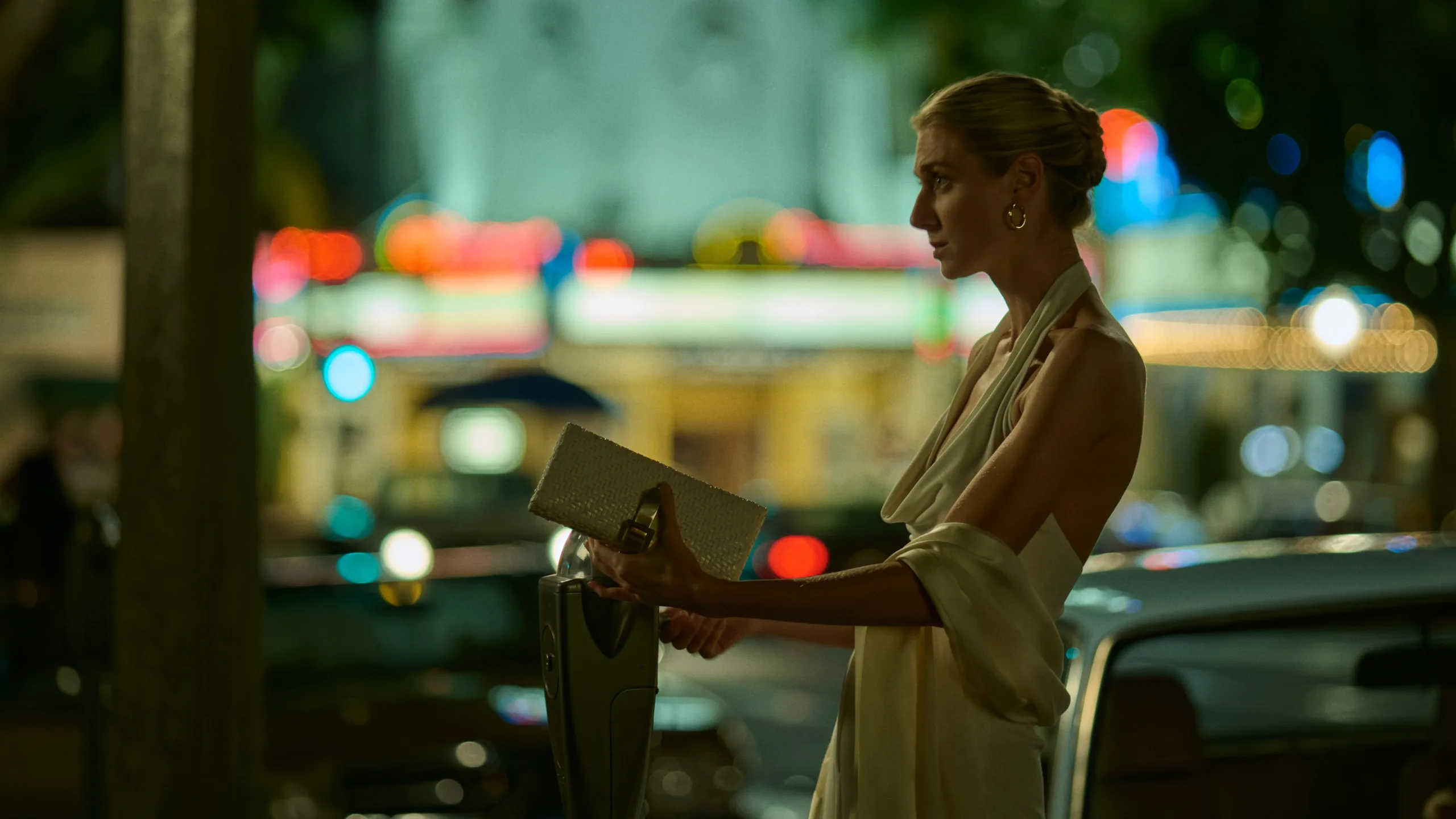
Elizabeth Debicki plays Karen Crosby, a powerful studio executive. Her wardrobe is strictly white—directed by Fincher.
Summerville was inspired by Lauren Hutton. Hutton’s drapey tops, high-waisted pants, and silk blouses shaped Crosby’s look. There’s also a subtle Cher influence in the halter necks.
Debicki’s character is grounded in reality. Summerville worked closely with the production designer and director of photography. The tone of white changed based on indoor or outdoor scenes. Some garments were designed for bright daylight, others for softer, shadowed interiors.
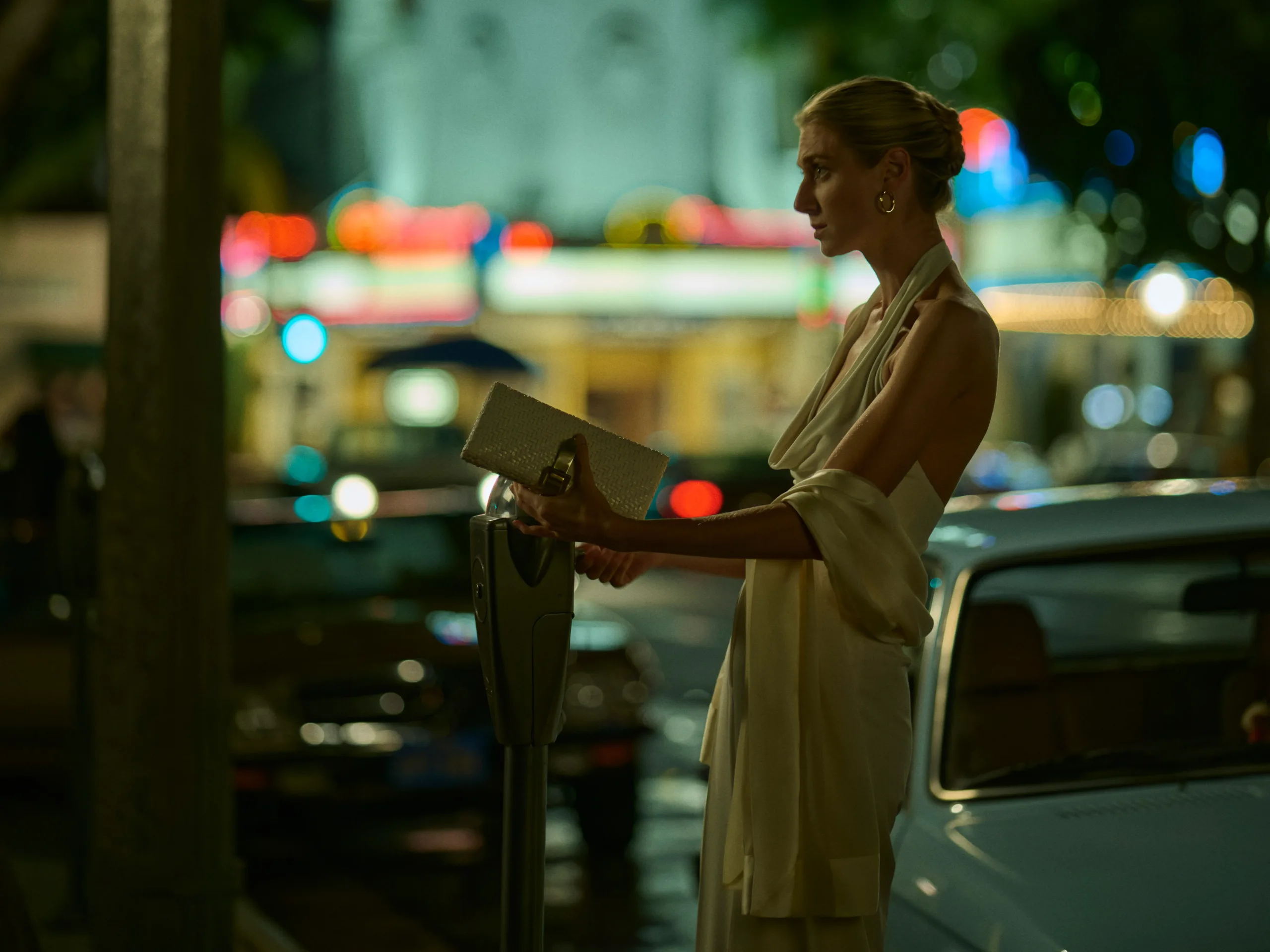
A scene where Debicki walks through an alleyway between bleachers was striking. Audiences paused, drawn by her elegant, all-white presence. Another moment—her walk down the street at a premiere—was described as elegant, chic, and regal.
Notable Scenes and Production Details
Summerville highlighted the Manila stills. These flash-cut scenes feature bold makeup and platform shoes. They were shot over several days and add vibrant cultural texture.
She praised the scene where Hot Rod leaves the set. He wears a velour one-piece in Bordeaux red with saddlebags. The moment feels real and closes a character arc.
The tennis scenes were demanding. Hundreds of white outfits were made. Body makeup was applied to simulate tanning. The Verdusco brothers, who played tennis, always came in pairs. They often did back-to-back poses or karate stances—adding physicality and realism.
Why the 1970s Aesthetic Remains Influential
Summerville believes the 1970s aesthetic remains aspirational because it was cool and unforced. People were sexy without trying to be. You didn’t need to expose all skin—it was about silhouette, drape, and ease.
She points to silk blouses with a little opening, thin gold chains, and the drape of pants. People were carefree. Music was fun. You were out dancing.
She joked about jeans with no stretch. Vintage denim had weight and texture—better fit and a more natural feel. The fabric resisted, gave, and felt like part of the body.
The 1970s aesthetic isn’t just about clothes—it’s about a mindset. It values self-expression, individuality, and authenticity over conformity. This mindset still shapes modern fashion.
Personal Impact on Summerville
After wrapping, Summerville wore the jeans from Lauren Glazier’s character. The jeans had a boot-cut flare. She wore them with a Tom Ford dinner jacket and six-and-a-half-inch heels.
The experience deepened her belief in the power of 1970s style. It’s simple, authentic, and emotionally resonant. Her work shows how period fashion can be both historically accurate and deeply human.
Ultimately, the film celebrates a cultural era that valued freedom, individuality, and quiet confidence. In a world where fashion often prioritizes trends, the 1970s remind us that beauty can be found in simplicity, authenticity, and the everyday.
Sources & further reading
Featured image: original publisher image. Via original publisher. Image source