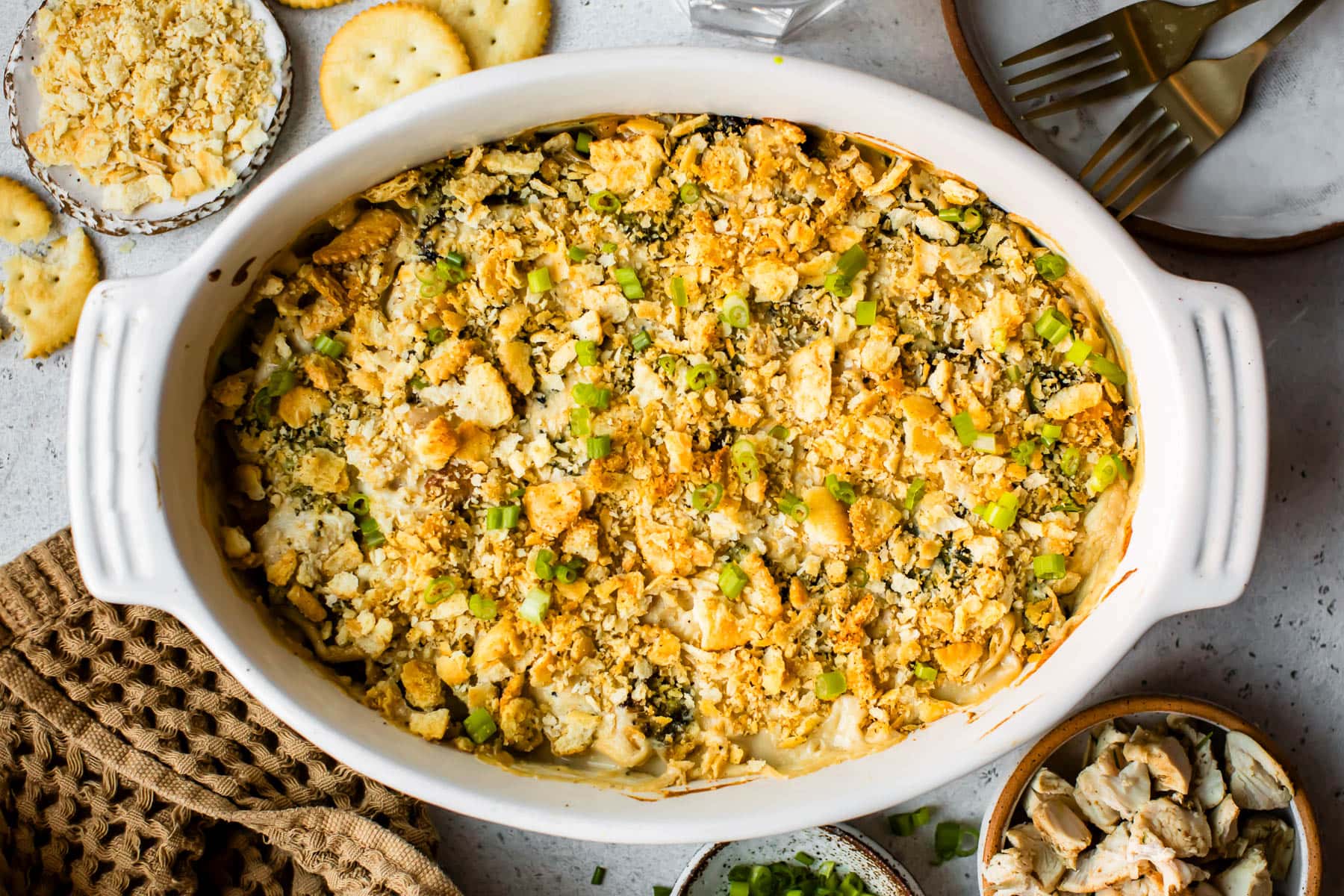
A simple and healthy way to transform leftover Thanksgiving turkey and vegetables into a creamy casserole has been shared by a food blog.
Leftover Turkey Casserole: A Lighter Take on a Classic
The recipe is inspired by the well-known ‘Million Dollar Chicken Casserole,’ a dish praised for its rich taste and affordable ingredients. This version adapts that concept for turkey, using leftovers from a Thanksgiving meal.
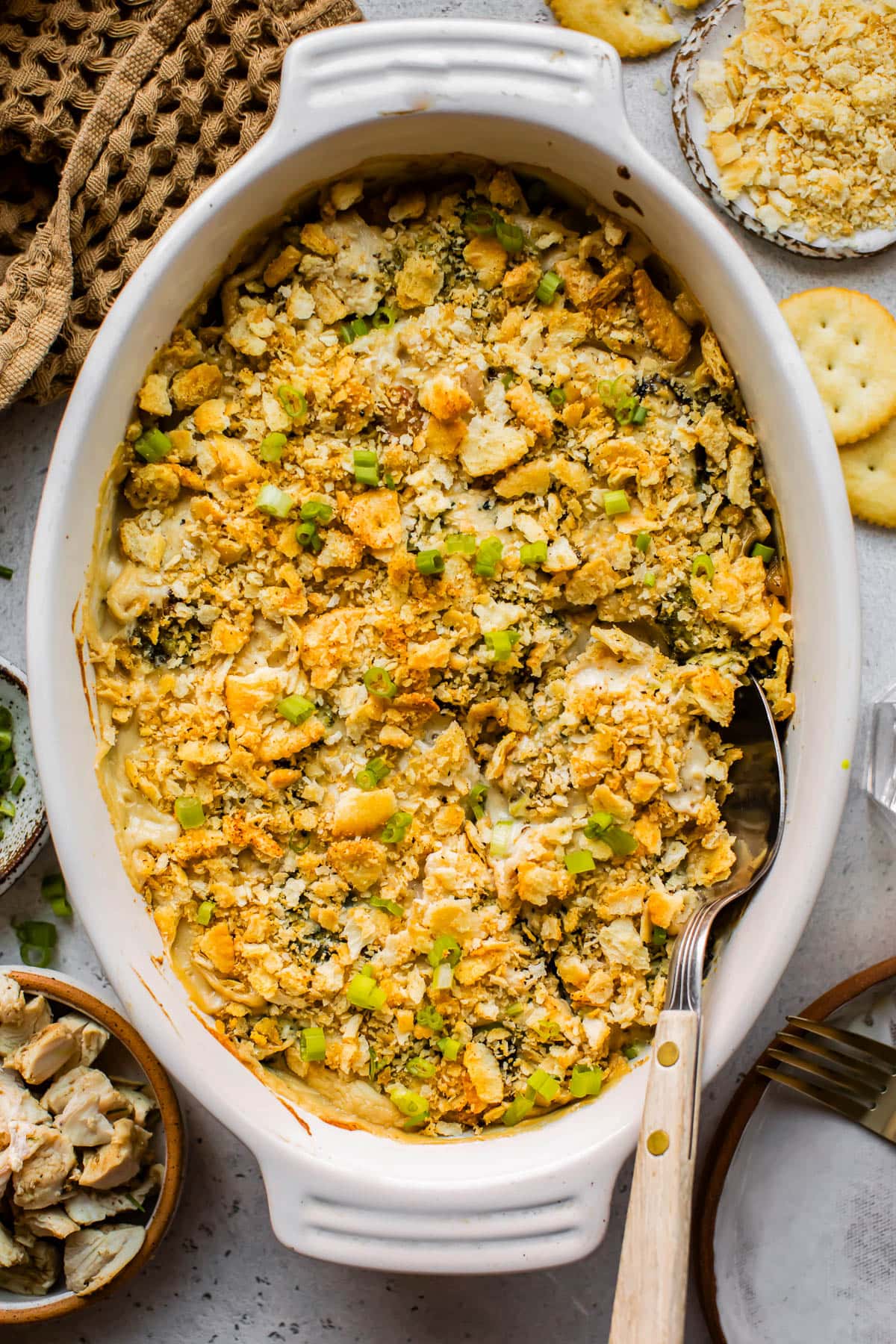
The dish combines shredded turkey, roasted vegetables, and a homemade gravy. It avoids canned soup, relying instead on a savory sauce made from turkey stock, butter, flour, and seasonings.
Key Ingredients and Their Roles
- Leftover turkey: Provides protein and moisture. Shredded or chopped turkey is used directly from the holiday meal. The turkey is kept moist during baking due to the creamy sauce, which prevents it from drying out.
- Roasted vegetables: Green beans, broccoli, cauliflower, or Brussels sprouts are all suitable. These are chopped into bite-sized pieces and contribute both texture and nutritional value. Vegetables such as broccoli are rich in vitamin C and fiber, while green beans offer a good source of dietary fiber and antioxidants.
- Butter and flour: Form a roux, the base of the gravy, which thickens the sauce and gives it a rich, smooth texture. The roux is cooked slowly over medium heat, allowing the starches in the flour to absorb the butter and create a stable, creamy foundation for the sauce.
- Cottage cheese and cream cheese: Add creaminess without using canned soup. Low-fat versions are used to keep fat and sodium levels in check. Cottage cheese contributes a mild, slightly tangy flavor and a good amount of protein, while cream cheese adds a smooth, velvety mouthfeel without significantly increasing saturated fat.
- Crackers: Whole-wheat butter crackers like Ritz are crushed and used as a topping. They are lightly coated in olive oil and seasoned with garlic, onion, and black pepper. The cracker topping provides a crisp, crunchy contrast to the soft, creamy casserole, enhancing both texture and flavor.
How to Prepare the Casserole
The process is straightforward and designed for home cooks with minimal equipment.
- Preheat the oven to 375°F. Position one rack in the lower third of the oven. This placement ensures even heat distribution and helps the casserole bake evenly without over-browning the top.
- Spray a 2-quart baking dish with olive oil. This step prevents the casserole from sticking and ensures a consistent, non-stick surface during baking.
- Crush 2 ounces of whole-wheat butter crackers into a medium bowl. Coat them generously with olive oil to ensure a uniform layer. Sprinkle with ½ teaspoon garlic powder, ½ teaspoon onion powder, and ¼ teaspoon black pepper. These spices enhance the flavor of the topping without overpowering the dish. Mix well to ensure even coating.
- In a large high-sided skillet, melt 2 tablespoons of unsalted butter over medium heat. Add 2 tablespoons of all-purpose flour and stir continuously for one minute. This step creates a roux, which is essential for thickening the gravy and giving it a rich, savory base.
- Gradually add 1 ¼ cups of turkey stock while whisking constantly to prevent lumps. The turkey stock is unsalted or low-sodium, allowing the cook to control sodium intake. This is a key feature for those following low-sodium diets or managing blood pressure.
- Whisk in 1 teaspoon of kosher salt and the remaining seasonings—1 ¼ teaspoons of garlic powder, 1 ¼ teaspoons of onion powder, and ½ teaspoon of black pepper. Bring the mixture to a simmer and cook, whisking constantly, until thickened to the consistency of a creamy gravy, which takes about 3 to 5 minutes. This simmering process ensures the sauce is smooth and fully integrated.
- Reduce the heat to low and stir in ½ cup of low-fat cottage cheese and 4 ounces of low-fat cream cheese, cut into cubes. Stir until the cream cheese has melted into the gravy, about 1 minute. This step introduces a creamy texture without relying on canned products or high-fat dairy.
- Add 8 ounces of shredded or chopped turkey breast and 12 ounces of leftover roasted vegetables, chopped into bite-sized pieces. Stir to combine. Taste the mixture and adjust salt if needed. This step ensures flavor balance and proper seasoning.
- Spoon the mixture into the prepared baking dish, pressing down gently to spread it evenly. This helps create a uniform layer and ensures the casserole bakes evenly throughout.
- Sprinkle the cracker topping evenly over the surface. The topping should be distributed in a thin, even layer to allow for proper browning during baking.
- Bake for 20 to 25 minutes, until the edges begin to bubble and the cracker topping is slightly more browned in spots and crispy.
- Remove from the oven and let the casser-ole rest for 5 minutes. This resting period allows the layers to set and the flavors to meld, resulting in a more cohesive and satisfying texture.
- Finally, garnish with the remaining sliced scallions. The mild onion flavor and vibrant green color add a fresh, aromatic touch that elevates the dish’s presentation.
Substitutions and Variations
The recipe allows for flexibility based on what’s available.
- Chicken version: Swap turkey with shredded or chopped chicken and use chicken stock. This variation maintains the same texture and flavor profile, making it ideal for those who prefer chicken or have a chicken-based meal plan.
- Use leftover gravy: If you have existing gravy, skip the from-scratch gravy and use 1 ¼ cups of it. This saves time and is a great option when you’re short on time or have already prepared the gravy during the holiday meal.
- Gluten-free option: Replace all-purpose flour with a gluten-free flour blend and use gluten-free crackers for the topping. This makes the dish suitable for those with gluten sensitivities or celiac disease, while still maintaining a balanced flavor and texture.
- Protein boost: Add 1/4 cup of cooked lentils or black beans to the mixture for an extra plant-based protein source. This variation supports a more balanced, plant-forward diet without altering the overall structure of the dish.
- Vegetable swaps: Use any roasted vegetables you have, such as cauliflower, carrots, or parsnips. These vegetables can be roasted in advance and stored in the refrigerator, making them a convenient option for repurposing leftovers.
Nutritional Profile and Serving Information
Each serving contains 350 calories, 32 grams of protein, 23 grams of carbohydrates, and 14.5 grams of fat. Fiber is 3.5 grams per serving. The protein content is particularly notable, with 32 grams per serving, which helps keep people full longer and supports muscle maintenance.
The recipe yields 4 servings. The serving size is one cup. This makes it ideal for sharing at a family dinner or as a meal for a single person with a balanced nutritional profile.
The casserole is high in protein, which helps keep people full longer. It is also lower in sodium than traditional versions due to the use of low-sodium turkey stock and reduced-fat dairy. The total sodium content is 733 mg per serving, which is within a healthy range for most adults.
Storage and Reheating Guidelines
The casserole can be stored in the refrigerator for up to three days, depending on how old the turkey was when it was first cooked.
Reheating can be done in a microwave, using a microwave-safe dish and covering it with a lid or microwave-safe wrap to retain moisture. Alternatively, cover and reheat in a 350°F oven until warm. The oven method preserves texture better than microwaving, especially for the creamy sauce.
Freezing is not recommended. The cream sauce may separate or change texture when thawed. The cottage cheese and cream cheese components are particularly sensitive to freezing, and their consistency may degrade, resulting in a lumpy or watery texture upon thawing.
What to Serve with the Casserole
The casserole is a complete meal on its own. For a balanced dinner, it can be paired with a side salad.
- Arugula Salad (5 minutes)
- Fall Brussels Sprout Salad with Apples, Pecans, and Blue Cheese (20 minutes)
- Autumn Salad with Pears and Gorgonzola (5 minutes)
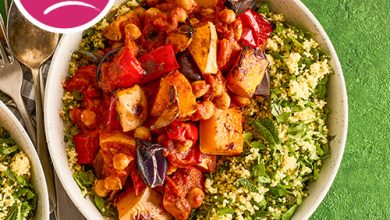
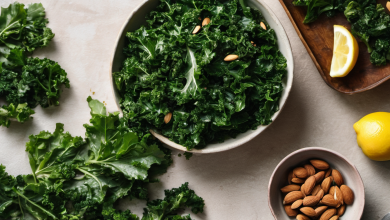
- Harvest Kale Salad with Roasted Winter Squash (50 minutes)
The original source, skinnytaste.com, emphasizes that this recipe is a healthier, no-canned-soup version of a classic dish. It is designed for home cooks who want to enjoy their Thanksgiving leftovers without sacrificing taste or nutrition.
Sources & further reading
Featured image: Leftover Turkey Casserole. Via original publisher. Image source