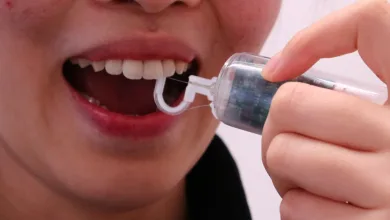
Two startups are pushing wearable technology into new territory by embedding electronics directly into the human body. This shift moves beyond current wearables like smartwatches and smart rings, aiming to integrate technology at the most intimate biological interfaces—such as the eyes and skin. Source: techcrunch.com.
Smart Contact Lenses: From Vision to Health Monitoring
Xpanceo, a Dubai-based startup, is developing smart contact lenses that integrate multiple functions into a single device. The company plans to unveil a fully integrated prototype in early 2027. This prototype will combine on-eye image display, wireless power, connectivity, and health monitoring functions.
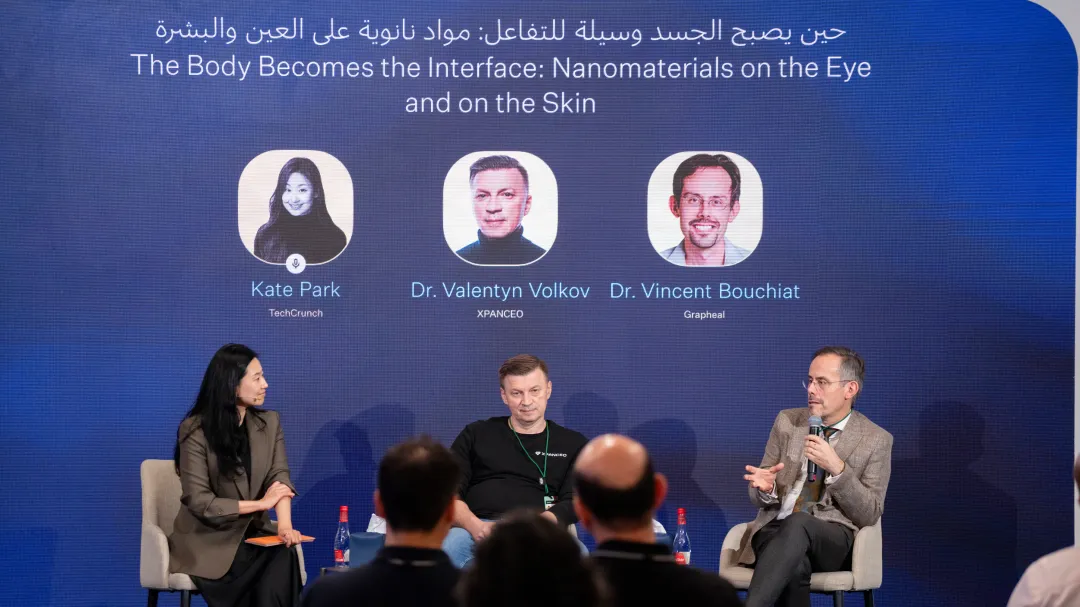
Valentyn Volkov, Xpanceo’s founder and chief technology officer, said the prototype will be demonstrated live during a panel at Dubai Future Week. This will mark the first time the founders will wear the lenses in real time, offering a tangible demonstration of functionality and user experience.
Current wearable devices—like smartwatches and AR glasses—serve specific purposes. Users often switch between them, creating a fragmented digital experience. Volkov emphasized that such fragmentation distracts from the physical world and reduces the seamless flow of information. ‘You need to go one step beyond,’ he said. ‘Bringing all functions to one interface on the eye could simplify how people interact with technology.’
Xpanceo has built over 28 working prototypes. These include AR displays, biosensing systems, and power solutions. The startup reached unicorn status in 2025 after raising $250 million in Series A funding at a $1.35 billion valuation. This level of investment underscores strong market confidence in its vision.
While companies like Mojo Vision, InWith, and Sensimed have explored smart contact lenses, Xpanceo differentiates itself by aiming to merge augmented reality, health monitoring, and biometric data into one seamless interface. This integration is not just about display—it’s about continuous, real-time data collection and feedback.
The startup plans to scale manufacturing in late 2027. It will begin B2B proof-of-concept deployments in 2028. Regulatory submissions for FDA and FCC approval are expected between 2029 and 2030. These timelines suggest a clear path from prototype to market, with a focus on industry partnerships and clinical validation.
One key application is continuous glucose monitoring via tear fluid. This could allow people with diabetes to manage their condition without invasive procedures such as finger pricks. Volkov noted that tear fluid contains biomarkers that can reflect blood glucose levels, offering a non-invasive method for real-time tracking.
Smart Bandages: Monitoring Wounds with Graphene Sensors
Grapheal, a French deep tech startup spun from Grenoble academia, is developing smart bandages with graphene-based biosensors. CEO and co-founder Vincent Bouchiat said the bandage can monitor wound conditions in real time. It tracks metrics such as pH, temperature, and early signs of infection.
Currently, diabetic foot ulcers take months to heal. In severe cases, they can lead to amputation. Nurses typically change bandages every two days, often without real-time data on infection development. Bouchiat explained that unnecessary dressing changes can disrupt the healing process and increase patient risk.
‘Our solution enables remote monitoring and early detection of infection without opening the wound,’ Bouchiat said. The bandage uses NFC technology to communicate data to a nurse’s or patient’s phone, allowing for continuous, real-time tracking without physical intervention.
Other potential uses include skin assessments in cosmetics retail, where real-time skin health data could inform product recommendations. Sweat analysis for runners and athletes is another application. By monitoring sweat composition, users could gain insights into hydration levels, electrolyte balance, and fatigue, enabling personalized training adjustments.
Grapheal is exploring manufacturing opportunities in the Gulf region. Its graphene material is derived from natural gas, avoiding reliance on rare or critical materials. This sustainable sourcing strategy reduces supply chain vulnerabilities and supports regional industrial development.
Why This Matters: Bridging the Gap Between Devices and Biology
Today’s wearables sit on the body or near it. But these startups aim to go further—embedding technology directly into biological surfaces. While smartwatches and rings offer convenience, they don’t provide continuous, intimate data. The human body is a complex system. Direct contact could yield more precise, real-time insights.
For medical care, this could mean earlier detection of complications such as infection or metabolic imbalances. For fitness, it could offer personalized feedback during activity, helping users adjust their routines in real time.
Technical and Ethical Challenges
Despite progress, both startups face significant challenges. Long-term safety, biocompatibility, and data privacy remain under study. No large-scale clinical trials have been completed yet, and regulatory bodies like the FDA have not yet approved any commercial smart contact lenses with integrated health monitoring.
Users may resist devices that interface so closely with their bodies. Questions about data ownership, consent, and the psychological impact of constant digital feedback remain open. For instance, how much data should be collected? Who has access to it? And how might it affect user behavior or self-perception?
Manufacturing scale and cost remain key barriers. While prototypes have been demonstrated, mass production requires overcoming technical hurdles such as durability, power efficiency, and sensor accuracy under varying environmental conditions.
What to Watch Next
Key milestones include Xpanceo’s 2027 prototype launch and Grapheal’s potential Gulf production facility. Regulatory submissions in 2029–2030 will signal readiness for broader use.
Industry watchers will also monitor how these technologies integrate with existing health ecosystems. Will they replace current wearables, or complement them? The answer may depend on how well they address user needs, privacy concerns, and clinical outcomes.
As the line between device and body blurs, the focus will shift from convenience to continuous, personalized health monitoring. While the technology remains in development, its potential to transform medical care and personal wellness is clear.
Sources & further reading
Featured image: original publisher image. Via original publisher. Image source