Spain’s snap general election has sparked a profound political realignment, marking a pivotal moment in the country’s democratic trajectory. Source: independent.co.uk.
What Happened
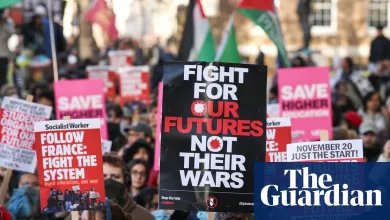
The election was triggered by a wave of public outrage over the housing crisis. It culminated in the controversial eviction of 87-year-old Maricarmen Abascal from her home—where she had lived for over 70 years. Police and social workers removed her on a stretcher. The act drew immediate condemnation and sparked widespread protests.
Abascal later died in hospital weeks after the incident. This tragedy galvanized public sentiment and led to a general strike involving more than 3 million people, according to trade union reports.
Sanchez framed the election as a critical opportunity to address systemic failures in housing, public education, and healthcare. At his first rally, he said: ‘Every generation has its own struggle. For us, that struggle is housing.’ This message resonated deeply with a population increasingly disillusioned by years of economic and social challenges.
Key Facts
- Chatham House analyst Nicolas Lawley notes that the left-wing bloc, led by PSOE, is polling about 15 points behind the right-wing bloc. This shows a significant gap in public support.
- Polling data suggests the most likely outcome is a coalition led by Spain’s centre-right People’s Party (PP), with a major role for the far-right Vox party.
- PP leader Alberto Núñez Feijóo is the frontrunner for the next prime minister. His leadership has faced questions over communication and international competence.
- Most polls show a government with two-thirds PP and one-third Vox. This means Vox controls key ministries and policy decisions—not just as a minor partner.
Sanchez has shown political resilience since 2018. But public confidence has declined amid several crises: deadly floods in 2024, widespread blackouts in 2025, fatal train crashes in 2024–2025, and the Ceuta migrant crisis in July, when tens of thousands of Moroccans crossed into the exclave.
These events have fueled a perception that the government failed to protect basic public services. Corruption convictions involving members of Sanchez’s inner circle—including his brother—have also weakened his credibility.
Why It Matters
If the right bloc wins, Spain could become a test case for how far-right ideas spread in Europe. A PP-Vox coalition would mark a major shift in European politics.
Vox supports remigration—a policy pushing immigrants back to their home countries. This idea has also shaped Germany’s AfD party. The alignment raises concerns about far-right policies normalizing in Spain.
Spain has long stood out in Europe for progressive stances: support for Palestinian statehood, defense of multilateral institutions, and actions against tech oligarchs. These positions have helped fuel economic growth.

Spain’s growth has come from strong immigration, foreign investment, smart use of EU funding, and investments in renewable energy. A right-wing government could shift these policies, risking long-term growth and international standing.
Public Sentiment
Many Spaniards are tired of current policies. Maria Torrena Perez, a 40-year-old teacher, said at a rally: ‘We’re really tired of so many things. We need decent housing. We need quality education. We need decent healthcare. They’re not investing in what they should.’
Sanchez’s allies highlight his international appeal, especially among global left-wing leaders.
Feijóo has faced criticism for not knowing English. He has said: ‘I don’t know English, but I know how to govern.’ This has become a recurring campaign point, seen as a sign of limited international readiness.
While language is a point of debate, it is unlikely to decide the election. Polls show a clear right-wing lead. Broader concerns about housing and governance will shape voter choices.
What to Watch Next
The outcome could signal a wider European trend: centre-right parties forming alliances with far-right groups. A PP-Vox coalition might reshape Spain’s policies on immigration, welfare, and international relations.
Sanchez’s campaign depends on turnout. A ‘silent voter’ trend—like in Brexit or Trump-era elections—could emerge. If non-voters or first-time voters shift to Vox, it could change the election’s outcome and challenge the left’s base.
For now, Spain’s political future remains uncertain. The results may redefine domestic governance and set a precedent for far-right integration in Europe.
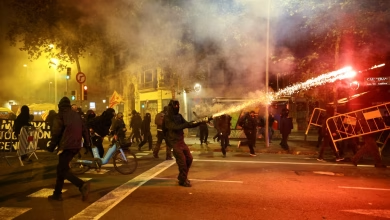
For more on the housing crisis that sparked this election, see: Spain Workers Strike Over Housing Crisis, Sparking Violence.
Sources & further reading
Featured image: original publisher image. Via original publisher. Image source